
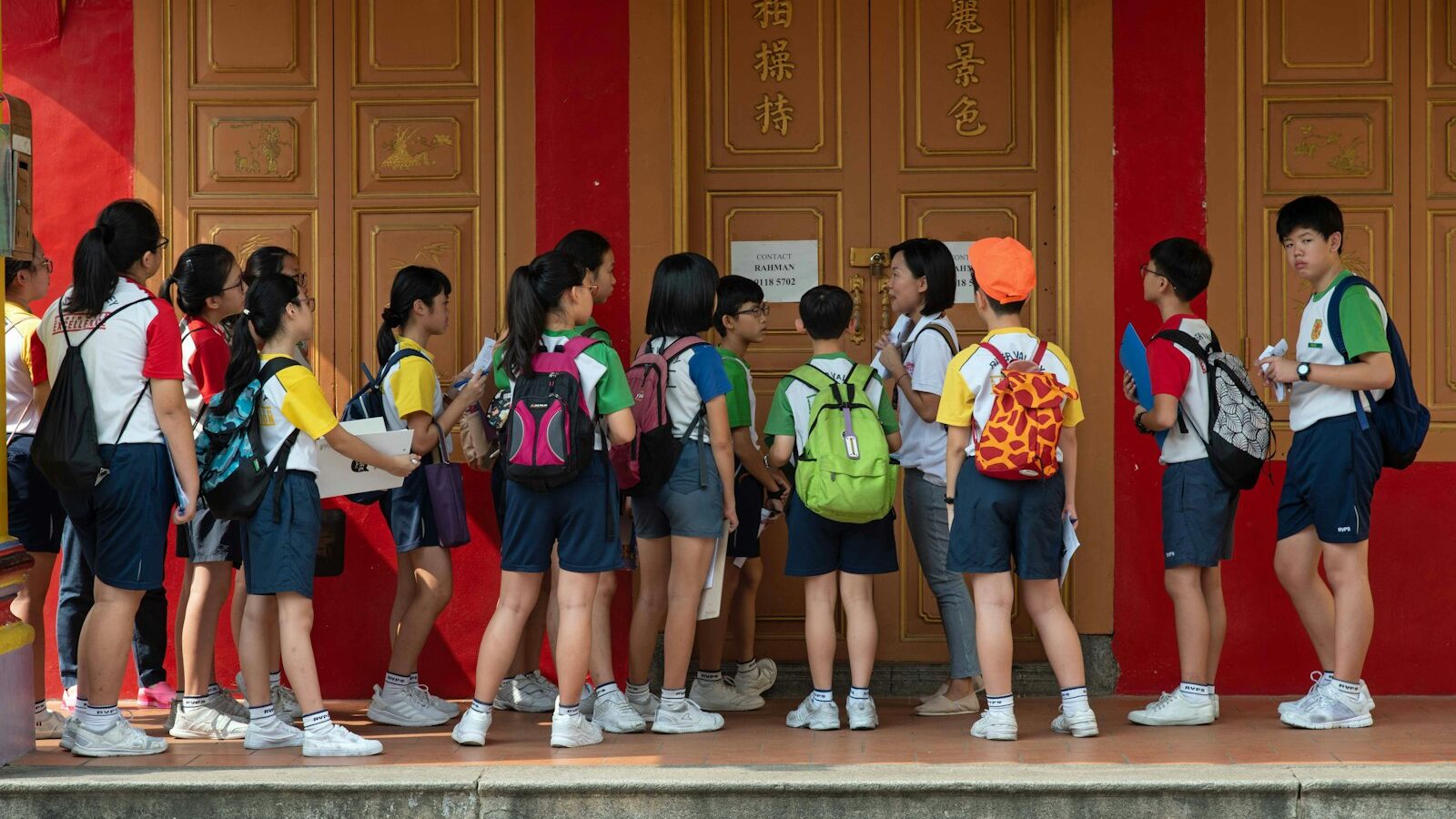
The transition to secondary school in Singapore is one of the biggest steps in a child’s education, and it can feel just as daunting for parents as it does for the young person going through it. Almost overnight, your child moves from being one of the oldest pupils in a familiar primary school to being one of the youngest in a larger, busier campus with new faces, new subjects and far more independence. This guide walks through what actually changes, why it can feel unsettling, and the practical, gentle things you can do to help your child settle in and thrive.
What Actually Changes
The move to secondary school is not only about a bigger building. Several things shift at once, which is part of why it can feel overwhelming.
A new academic structure. Singapore secondary schools now use Full Subject-Based Banding, which lets students take subjects at different levels according to their strengths rather than being placed into a single fixed stream. A child might take one subject at a more demanding level and another at a foundational level. This is a positive change because it recognises that few learners are equally strong across every subject, but it can take a little time to understand. For the current details on how Full Subject-Based Banding, posting and subject levels work, always defer to the Ministry of Education, as the system is refined over time.
More subjects and more teachers. In primary school a child often has one or two main teachers. In secondary school they may have a different specialist teacher for almost every subject, each with their own style, expectations and way of marking. New subjects such as Design and Technology, Food and Consumer Education, Literature and the sciences appear, and the volume of material grows.
Greater independence. Timetables change from day to day. Students move between classrooms and specialist rooms, manage their own materials, keep track of deadlines and often travel to school on their own for the first time. This freedom is exciting but also demands organisation that has to be learned.
A wider social world. Co-curricular activities, or CCAs, become a bigger part of school life, and friendship groups are reshuffled. Your child may be separated from primary school friends and will need to build new connections.
Why the Transition Can Feel Hard
It helps to remember that difficulty here is normal, not a sign that anything is wrong. Early adolescence brings physical and emotional change at the same time as the school environment shifts. A child who was confident and settled in Primary Six may suddenly seem tired, quiet or short-tempered. They are managing longer days, heavier bags, new expectations and the ordinary worries of fitting in.
Academic results can also dip in the first term or two. This is common and usually temporary. The pace is faster, the marking is stricter and your child is still learning how to study at this level. Reacting with alarm can add pressure, whereas patience gives them room to find their feet.
How Parents Can Help
You do not need to solve everything. Your steady presence and a few good habits make the biggest difference.
- Set up simple routines early. A consistent bedtime, a regular study slot and a tidy spot to pack the bag each evening reduce morning chaos and lost worksheets.
- Teach organisation, gently. Help your child use a planner or a phone calendar to track homework, tests and CCA sessions. Guide them at first, then step back so the habit becomes theirs.
- Talk little and often. A short, relaxed chat on the way home or over dinner tells you more than a formal interrogation. Ask open questions such as what went well today, rather than only asking about marks.
- Normalise asking for help. Encourage your child to approach teachers, form tutors or older students when they are stuck. Knowing whom to ask is a real life skill.
- Support friendships. CCAs, study groups and shared interests help new bonds form. If your child feels lonely at first, reassure them that friendships take a few weeks to settle.
- Keep results in perspective. Praise effort, strategy and improvement, not only the number at the top of the paper.
Settling In: A Simple Timeline
Every child is different, but the pattern below reflects what many families experience across the first year.
| Stage | What you might notice | How to respond |
|---|---|---|
| First weeks | Tiredness, nerves, forgetting items | Keep routines light and predictable |
| First term | Slower work, marks may dip | Reassure, focus on habits over scores |
| Mid-year | New friendships forming, more settled | Encourage CCA involvement and independence |
| End of year one | Confidence and rhythm returning | Let your child own more of their planning |
Supporting Wellbeing
Emotional wellbeing matters as much as grades during this change. Protect sleep, keep some unstructured downtime, and watch for signs that stress is becoming persistent, such as ongoing sleeplessness, withdrawal, or reluctance to attend school. Most wobbles pass with reassurance and time. If your child continues to struggle, speak to the form teacher or the school counsellor, who can offer guidance and support tailored to your child.
It also helps to keep some perspective on the pace of change. Not everything needs to be mastered in the first month. Your child is learning how to learn in a new way, how to manage a bag full of different books, how to read a rotating timetable, and how to speak up in bigger classes. These are genuine skills that build gradually. Try to resist comparing your child’s progress with that of classmates or older siblings, because every young person adjusts at their own speed, and a slower start says nothing about where they will finish. Small wins, such as remembering to pack the right books or making one new friend, are worth noticing and celebrating along the way.
Above all, remember that the transition to secondary school in Singapore is a shared journey. Your child is stretching into more independence, and your role gradually shifts from managing to mentoring. With warmth, patience and a few practical habits, most children not only cope but grow in confidence, discovering new subjects, new friends and a stronger sense of who they are.