
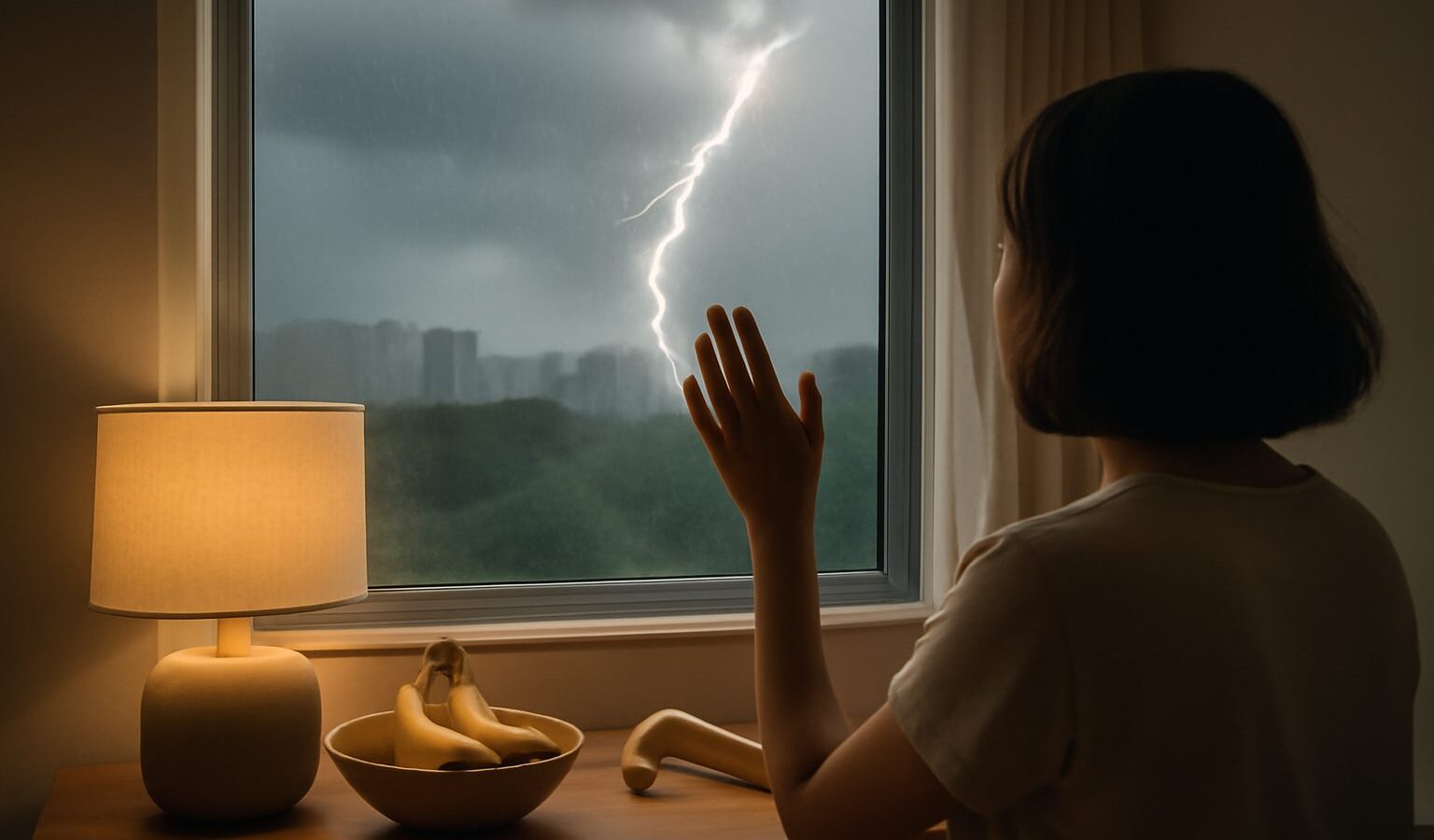
If you have spent even a few weeks in Singapore, you will know the rhythm: a bright, sticky morning, clouds building through midday, and then a sudden afternoon storm with heavy rain, gusty wind and sharp cracks of thunder. Sitting just north of the Equator in the warm, humid tropics, Singapore is one of the more lightning-prone places on Earth, and thunderstorms are a normal part of the local climate rather than a rare event. That makes practical lightning safety singapore knowledge worth having for everyone, whether you jog after work, watch your child’s football match, or simply walk to the MRT. This guide explains why storms are so common here, how to read the daily pattern, and what to do to stay safe.
Why Singapore Gets So Many Thunderstorms
Thunderstorms need warmth, moisture and a trigger to lift the air, and Singapore has all three in abundance. The tropical sun heats the land and sea, water evaporates readily in the humid air, and that warm, moist air rises and cools to form towering clouds. When these clouds grow tall enough, they produce rain, thunder and lightning. Because the ingredients are present for much of the year, storms can develop on many days rather than being confined to a single stormy season.
Two features stand out. First, sea breezes from the surrounding waters converge over the island during the day, giving rising air an extra push and helping storms form. Second, Singapore experiences distinct monsoon seasons and inter-monsoon periods, and the inter-monsoon months in particular are known for frequent afternoon and evening thunderstorms. The upshot is that lightning is a familiar hazard here, and the sensible response is not fear but a simple, consistent set of habits.
The Afternoon Storm Pattern
While storms can occur at almost any time, a common local pattern is the afternoon thunderstorm. Skies are often clearer in the morning, heating builds through the middle of the day, and storms tend to fire up in the afternoon or early evening before easing overnight. During the Southwest Monsoon, pre-dawn and early-morning storms known as “Sumatra squalls” can also sweep in from the west with sudden strong winds.
The important takeaway is that a sunny start does not mean a storm-free afternoon. If you have an outdoor plan, treat the forecast as part of your planning, and be ready to change timing. Storms here can also build quickly, so the window between the first distant rumble and heavy rain overhead can be short. When you hear thunder, the storm is already close enough to matter.
Staying Safe When a Storm Approaches
The core principle used by safety agencies worldwide is simple: when thunder roars, go indoors. There is no safe place outdoors during a thunderstorm, and lightning can strike some distance from the rain. If you can hear thunder, you are within range and should move to shelter without delay.
Practical steps to stay safe:
- Get indoors early. A fully enclosed building is safest. A car with a metal roof and windows up also offers reasonable protection; open shelters, bus stops, void decks and tents do not.
- Avoid open ground. Fields, parks, beaches, reservoirs, golf courses and rooftops leave you exposed. Do not be the tallest object around.
- Stay away from water. Get out of swimming pools and off the sea, and away from ponds and canals.
- Avoid tall, isolated trees and metal. Do not shelter under a lone tree, and keep away from metal railings, fences, poles and umbrellas with metal shafts.
- Wait it out. After the last thunder, wait about 30 minutes before resuming outdoor activity, as lightning can still strike from a departing storm.
If you are caught outdoors with no shelter, move away from high ground, water and isolated trees, and make yourself less exposed while heading toward a proper building as quickly as you safely can. For weather warnings and any severe-weather advisories, defer to the National Environment Agency (NEA) and the Meteorological Service Singapore (MSS) rather than guesswork.
What To Do in Common Situations
Because the right action depends on where you are, it helps to picture a few everyday scenarios. The table below pairs common situations with the safer choice. Treat it as a rule of thumb and always follow official advisories and any instructions from event organisers, lifeguards or coaches.
| Situation | Safer action |
|---|---|
| Playing sport on an open field | Stop play, clear the field and move into a fully enclosed building |
| Swimming in a pool or at the beach | Get out of the water immediately and shelter indoors |
| Walking with only a bus stop or void deck nearby | Keep moving to a proper enclosed building; open shelters are not safe |
| Under a tall, isolated tree | Move away from it; do not use a lone tree as shelter |
| Driving when a storm hits | Stay in the car with windows up, or park safely and wait it out |
| Just heard the first rumble of thunder | Head indoors now; do not wait for the rain to arrive |
Sport, Schools and Outdoor Events
Lightning is a particular concern for organised outdoor activity, where groups of people gather on open fields, courts and tracks. Football, rugby, athletics, sailing, water sports and outdoor training all place participants in exposed positions, and coaches, teachers and event organisers carry a duty to monitor the sky and the forecast and to suspend activity when thunderstorms threaten. Many venues and schools follow lightning-warning procedures that halt play and clear open areas when conditions turn dangerous, resuming only after a safe interval has passed.
If you organise or take part in outdoor events, build weather into the plan: identify a nearby enclosed shelter in advance, agree on who makes the call to stop, and do not pressure anyone to keep playing through a storm. For large public events, follow the organiser’s announcements. When in doubt, stopping and sheltering is always the right choice; a delayed match is a small price for safety.
Checking the Forecast and Warnings
A little preparation removes most of the risk. Before an outdoor plan, check the latest forecast, and keep an eye on updates through the day since conditions can shift. NEA provides Singapore’s weather forecasts and warnings, including the two-hour nowcast and longer outlooks, through its website and the myENV app, and MSS is the authority for meteorological information. These official channels, not rumour or a single glance at the sky, should guide your decisions.
Build a few simple habits: carry an umbrella, dress so a soaking is only an inconvenience, and give yourself flexibility to shift an outdoor activity earlier or later. Thunderstorms are simply part of life in the tropics, and with sensible timing and quick sheltering they are easy to live with safely, year in and year out.
Explore more
To understand the bigger picture behind these storms, read our Singapore weather and climate explainer, which covers temperature, humidity and rainfall across the year. For a closer look at the wet stretches that bring the heaviest downpours, see our guide to the monsoon and rainy season in Singapore. For live forecasts and warnings, always check NEA and the Meteorological Service Singapore.