
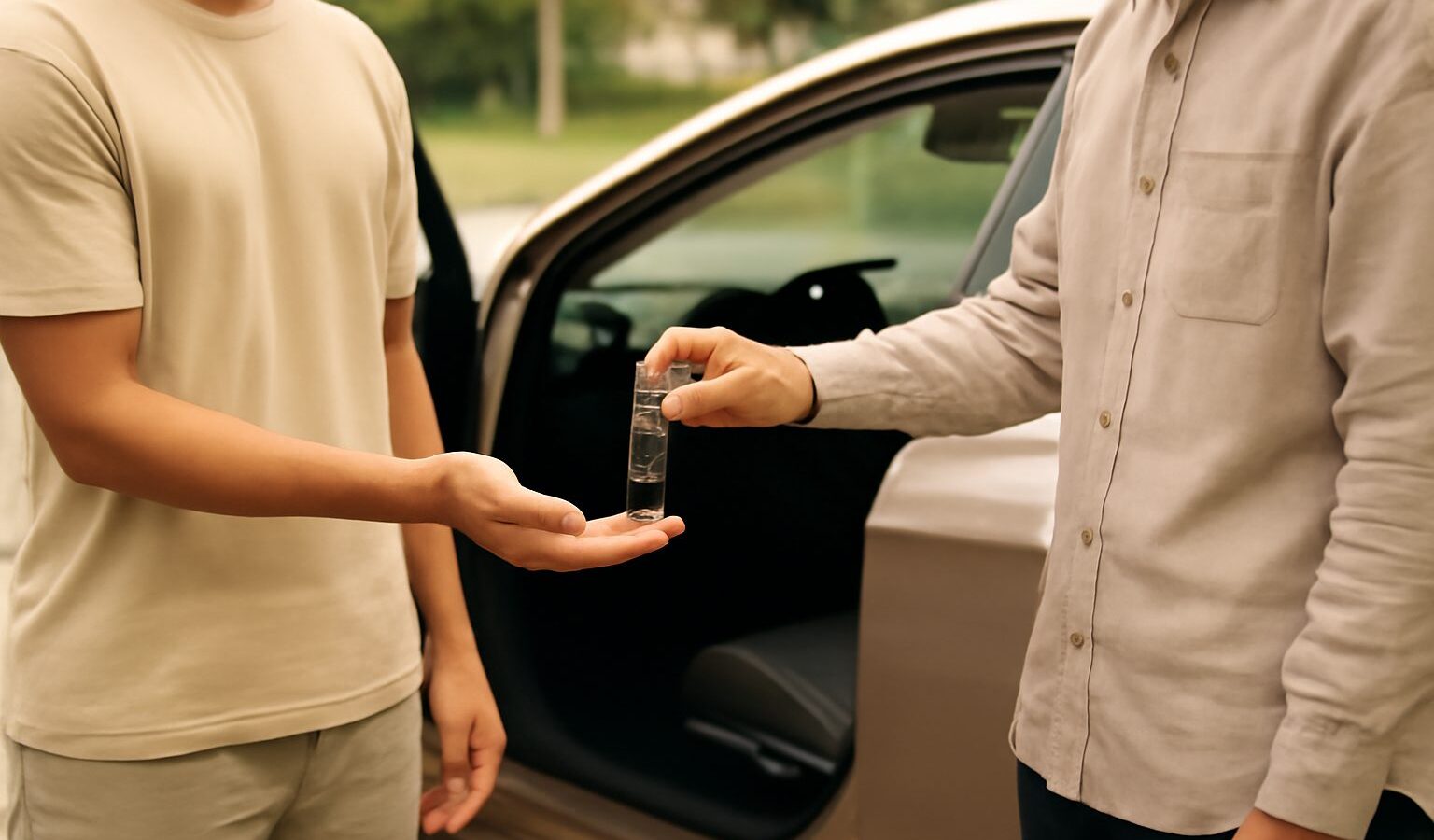
When it is time to move on from your current car, the dealer will often float the easiest option first: hand the old one over as part of buying the new one. Trading in your car is convenient, quick and low on paperwork, and for a lot of owners that convenience is worth real money. The catch is that convenience and top dollar rarely sit in the same place. A trade-in usually pays a little less than a well managed private sale, and whether that gap is worth closing depends on your time, your patience and your appetite for dealing with strangers.
This guide explains how the trade-in process works, how a dealer arrives at a valuation, and how to weigh trading in against selling privately so you go in with a clear head rather than a hopeful one.
How the Trade-In Process Actually Works
A trade-in folds two transactions into one. You are buying a car from a dealer, and in the same breath you are selling them your old one. The dealer quotes you a price for the new car, quotes a value for your current car, and the difference is what you actually pay. Because both numbers sit in the same conversation, they can move around each other, which is exactly why you want to understand each one separately.
The mechanics are refreshingly simple compared with a private sale. The dealer handles the transfer of your old car, settles any outstanding financing against it if that applies, and manages most of the administrative steps. You typically drive in with one car and drive out having committed to another, with far less running around than selling on your own would involve. For a busy owner, that streamlined handover is the entire appeal.
The trade-off is control. In a private sale you set the asking price and negotiate directly. In a trade-in you are accepting the dealer’s number, and that number has to leave them room to recondition and resell your car at a profit. That is not a trick; it is simply how a dealer stays in business. Knowing it helps you read the offer for what it is.
How Dealers Arrive at a Trade-In Valuation
A trade-in valuation is not plucked from the air. A dealer is estimating what your car will fetch once they have prepared it for resale, then working backwards to leave themselves margin. Several factors feed into that estimate.
- The remaining COE on the car, since much of a vehicle’s value in Singapore is tied to how long it can still legally be driven.
- Any potential rebates recorded against the car, which depend on official figures and dates rather than the dealer’s opinion.
- Mileage and overall condition, including the state of the body, interior, tyres and mechanicals.
- Service history and how well the car has been maintained, which affects how confidently they can resell it.
- Current demand for that make and model, which rises and falls with the market.
Because the COE and rebate side of the equation is driven by official records, treat those as the anchor and check the current position through One Motoring and LTA rather than relying on a verbal figure. Premiums, quotas and rebate rules change over time, so a number that was right last year may not hold today. Understanding your car’s underlying value before you walk in is the single best preparation you can do, because it tells you whether an offer is fair without you having to guess.
Trade-In or Private Sale: Weighing the Options
The honest comparison comes down to money versus effort. A private sale can put more in your pocket because you cut out the dealer’s resale margin, but it asks for your time, your patience and a willingness to handle enquiries, viewings, test drives and the transfer paperwork yourself. A trade-in hands all of that to the dealer in exchange for a slightly lower figure.
Here is how the two stack up across the things that usually matter.
| Factor | Trade-in | Private sale |
|---|---|---|
| Typical return | Usually a little lower | Often higher, no dealer margin |
| Effort required | Low, dealer handles most steps | Higher, you manage everything |
| Speed | Fast, done alongside the purchase | Can take longer to find a buyer |
| Paperwork | Handled largely by the dealer | Your responsibility to arrange |
| Convenience | High, one combined transaction | Lower, two separate processes |
Neither column is the right answer for everyone. If your time is scarce, you dislike haggling with strangers, or you simply want the whole thing done in an afternoon, the trade-in earns its slightly smaller cheque. If you are comfortable managing the sale, have a few weeks to spare and want to squeeze out the extra value, a private sale can reward the effort. Some owners split the difference by getting a private valuation or two first, then using those figures as leverage when they talk to the dealer.
Getting the Best Result Either Way
Whichever route you lean towards, preparation does most of the heavy lifting. Know your car’s realistic value before any conversation, so you can tell a fair offer from a lowball one. Have your service records tidy and to hand, because a documented maintenance history reassures a dealer and a private buyer alike. Attend to small, cheap cosmetic fixes and give the car a proper clean, since presentation genuinely nudges perceived value.
It also pays to separate the two numbers in a trade-in negotiation. Ask the dealer what they will give you for your car as a standalone figure, and settle the price of the new car on its own merits, so a generous trade-in allowance is not quietly offset by a thinner discount elsewhere. Get more than one opinion where you can, whether that is a couple of dealers or a private valuation, because a single quote gives you nothing to measure against.
Finally, keep the changeable figures in perspective. Anything tied to COE, rebates, road tax or deregistration sits with LTA and One Motoring, and those positions shift. Base your decision on the current official picture rather than an old rule of thumb, and trading in your car becomes a calm, informed choice rather than a leap of faith.
Explore more
It helps to know your starting point, so read up on what affects your car’s resale value before you get a quote. Understanding PARF and COE rebates explains much of where a car’s value comes from, and the same instincts behind negotiating a car price in Singapore apply when you are the one being made an offer.