
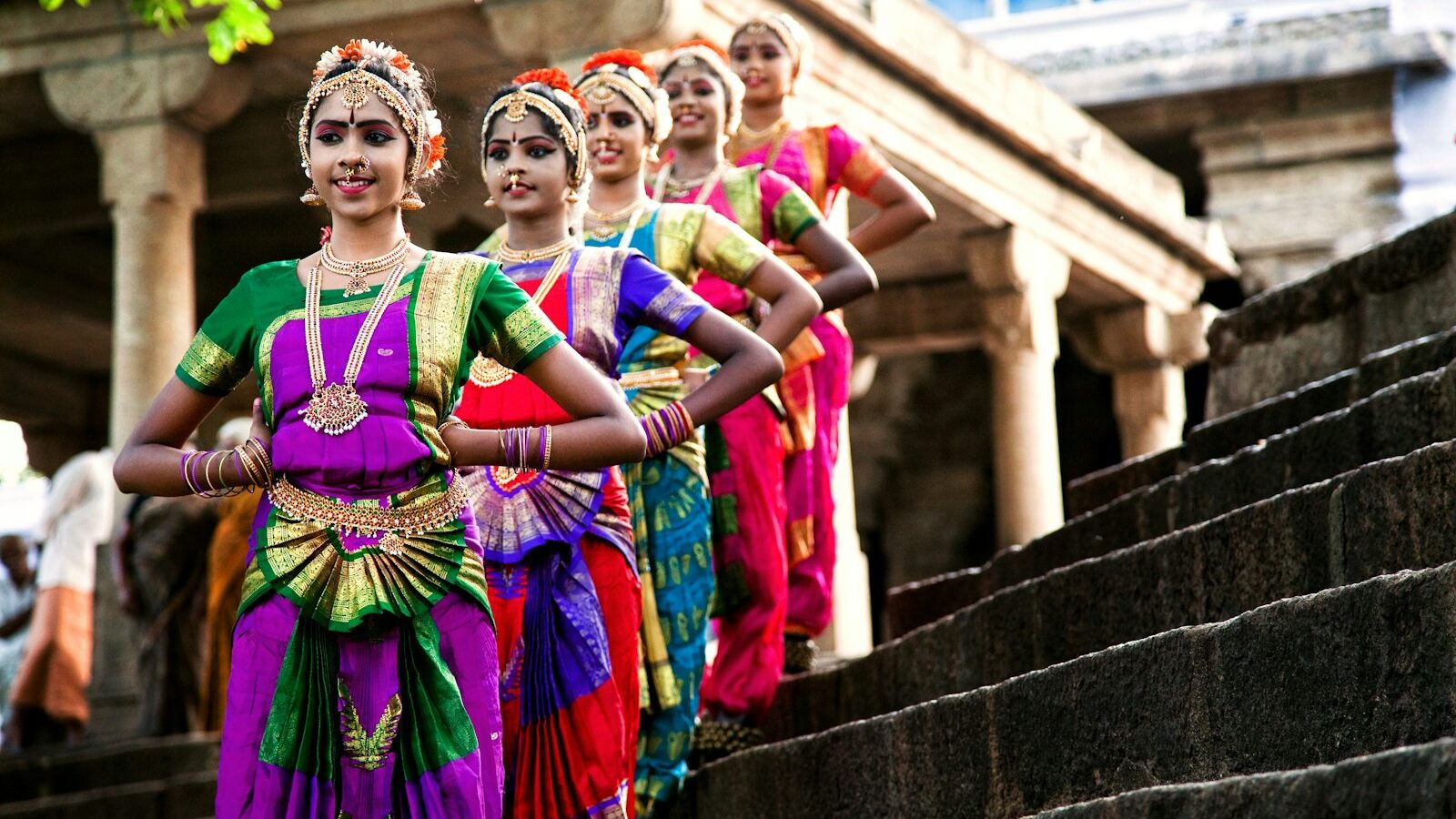
Singapore’s diverse communities bring a rich and colourful heritage of traditional dance. This guide explores the diversity of dance heritage, its cultural role, and appreciating this art form. This is a general overview.
A colourful dance heritage
Singapore’s diverse, multicultural communities bring a rich and colourful heritage of traditional dance, reflecting the dance traditions of the various cultures that make up the nation. Each community has its own traditional dances, styles, costumes and forms, rooted in its cultural heritage, and together these form a vibrant, colourful tapestry of dance. Traditional dance is tied to cultural identity, festivals, ceremonies, celebrations and heritage, carrying meaning, artistry and tradition. Visually striking and expressive, traditional dance is a beautiful and colourful part of the nation’s cultural heritage, enjoyed at festivals, performances and cultural occasions. Understanding that Singapore has a rich, colourful traditional dance heritage from its multicultural communities, helps you appreciate this vibrant aspect of the nation’s culture, so you can recognise the traditional dances of the various communities as a beautiful and valued part of the nation’s cultural heritage, reflecting the dance traditions, identity and artistry of the diverse cultures that make up Singapore, and forming a colourful, expressive thread in the nation’s multicultural cultural life.
Dance traditions across communities
| Community | Broadly |
|---|---|
| Chinese | Traditional Chinese dance forms |
| Malay | Traditional Malay dance |
| Indian | Traditional Indian dance |
| Others | Diverse dance traditions |
Singapore’s traditional dance heritage spans the traditions of its diverse communities, each with its own distinctive, colourful dances. The Chinese community brings traditional Chinese dance forms, styles and performances rooted in its cultural heritage. The Malay community brings traditional Malay dance, with its own graceful styles, movements and traditions. The Indian community brings traditional Indian dance, rich with its own expressive forms, styles and heritage. Other communities also contribute their own dance traditions. Together, these diverse dance traditions form a vibrant, colourful tapestry reflecting the nation’s multicultural character. Each tradition carries its own distinctive movements, costumes, styles and cultural meaning, and collectively they enrich the nation’s cultural and performance heritage. Understanding that traditional dance spans the nation’s diverse communities, each with its own distinctive dance traditions, helps you appreciate the breadth and colour of this heritage, so you can recognise the rich diversity of traditional dance across Singapore’s communities, from the distinctive forms, styles and costumes of each culture, as a vibrant, colourful tapestry that reflects the nation’s multicultural character and enriches its cultural and performance heritage.
Its cultural role
Traditional dance plays meaningful cultural roles within the communities and the nation, beyond entertainment. It expresses and preserves cultural identity and heritage, embodying the traditions, stories and artistry of a community through its distinctive dances. It features in festivals, ceremonies, celebrations and cultural occasions, contributing colour, beauty and meaning to communal and cultural life. It transmits cultural heritage, stories, artistry and tradition across generations. And it connects people to their culture, roots and community. In these ways, traditional dance is a meaningful, expressive carrier of cultural identity and heritage, not merely a performance. This cultural role gives traditional dance its deeper significance, value and beauty. Understanding the cultural role of traditional dance, in expressing identity, featuring in festivals and ceremonies, transmitting heritage, and connecting people to their culture, helps you appreciate its deeper significance, so you can recognise traditional dance as a meaningful, expressive carrier of cultural identity and heritage within Singapore’s communities, valued not just as performance but as a beautiful expression and preserver of the cultural traditions, stories and artistry of the nation’s diverse cultures.
Appreciating the art form
Traditional dance is a beautiful, colourful art form to appreciate, offering visual beauty, cultural expression and insight into the nation’s diverse heritage. Experiencing traditional dance performances, whether at festivals, cultural occasions or arts events, offers a vivid, enjoyable window into the artistry, traditions and heritage of the communities. Learning about the dances, their styles, meanings and cultural roots deepens appreciation. Approaching traditional dance with openness, curiosity and respect for its cultural significance enriches the experience. Appreciating this art form is a rewarding way to engage with the nation’s colourful, diverse cultural heritage and to support the continuity of these traditions. Understanding how to appreciate traditional dance, by experiencing performances and learning about the dances and their cultural roots with openness and respect, helps you engage meaningfully with this art form, so you can appreciate the traditional dances of Singapore’s communities as beautiful, colourful expressions of cultural identity and heritage, enjoying their visual beauty and artistry while deepening your appreciation of the nation’s diverse cultural heritage and supporting the continuity of these vibrant traditions.
Preserving this heritage
Like other traditional cultural forms, traditional dance faces the pressures of changing times and modern entertainment, making the preservation and appreciation of this heritage valuable. Efforts to preserve, teach, perform, support and celebrate the traditional dances of the communities help keep this colourful heritage alive and passed on to future generations. Appreciating and supporting traditional dance, by valuing performances, learning about the traditions, and celebrating this heritage, contributes to its continuity. Preserving traditional dance keeps a beautiful, expressive and colourful part of the nation’s cultural heritage alive amid modernity, ensuring these vibrant traditions endure. Understanding the value of preserving this heritage, through supporting, teaching, performing and appreciating traditional dance, helps you recognise your part in sustaining it, so you can help keep the traditional dances of Singapore’s communities alive by appreciating and valuing them, experiencing performances and learning about the traditions, thereby supporting the continuity of a beautiful, colourful and meaningful part of the nation’s diverse cultural heritage for future generations to enjoy and cherish.
The takeaway
Singapore’s diverse, multicultural communities bring a rich and colourful heritage of traditional dance, spanning the distinctive forms, styles and costumes of the Chinese, Malay, Indian and other communities, together forming a vibrant tapestry that reflects the nation’s multicultural character. Traditional dance plays meaningful cultural roles, expressing identity, featuring in festivals and ceremonies, transmitting heritage, and connecting people to their culture, making it a beautiful, expressive carrier of cultural identity and heritage. Appreciating this art form, by experiencing performances and learning about the dances with openness and respect, offers a vivid, enjoyable window into the nation’s diverse heritage, while preserving it keeps these vibrant traditions alive amid modernity. A beautiful, colourful thread in the nation’s rich multicultural heritage, traditional dance is well worth appreciating and preserving. This is a general overview.
Explore more: Traditional music of Singapore · Singapore’s heritage festivals · Singapore’s theatre and arts scene