
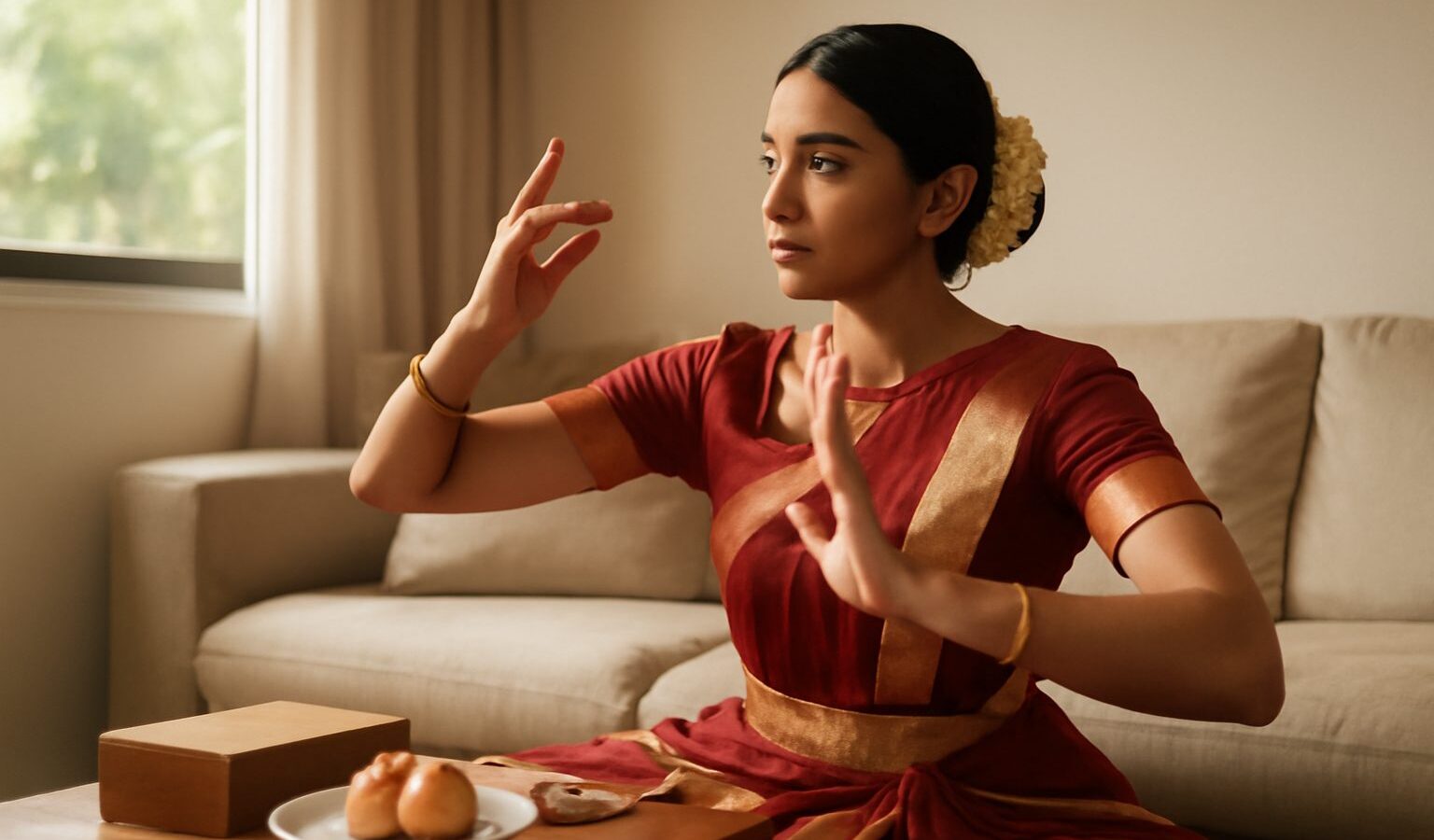
Indian classical dance is one of the oldest and most profound living art traditions in the world, and appreciating indian classical dance singapore opens a window into centuries of storytelling, spirituality, and craft. These forms are far more than beautiful movement. They are complete languages of gesture, rhythm, music, and emotion, passed carefully from teacher to student over generations. Whether you hope to watch with deeper understanding or one day learn yourself, a little background will greatly enrich the experience.
The Major Classical Forms
India recognises several distinct classical dance styles, each rooted in a particular region, temple tradition, and body of music. While they share common principles, each has its own vocabulary and flavour, and it is worth knowing the main ones.
Bharatanatyam, originating in Tamil Nadu, is perhaps the most widely practised form in Singapore given the strong Tamil heritage here. It is known for its geometric lines, crisp footwork, sculptural poses, and expressive storytelling drawn from Hindu mythology. Kathak, from North India, is characterised by fast spins, intricate rhythmic footwork accented by ankle bells, and a graceful, flowing quality, and it carries influences from both temple and court traditions. Odissi, from Odisha, is famous for its soft, curving postures inspired by temple sculpture and its gentle, lyrical grace.
Other recognised forms include Kathakali from Kerala, celebrated for its elaborate make up and dramatic storytelling, Kuchipudi from Andhra Pradesh, which blends dance with theatre, Manipuri from the northeast with its serene devotional character, Mohiniyattam, a graceful solo form from Kerala, and Sattriya from Assam, which grew out of monastery traditions. Each deserves to be appreciated on its own terms rather than lumped together, and part of the joy of learning is discovering how they differ.
The Language of Gesture and Expression
What unites these forms is a shared foundation described in ancient treatises on performance. Two ideas are especially helpful for newcomers. The first is “nritta”, pure dance, where rhythmic movement and footwork are performed for their own beauty without a specific story. The second is “abhinaya”, the art of expression, where the dancer conveys narrative and emotion.
Central to abhinaya are hasta mudras, the precise hand gestures that function almost like words. A single hand shape can represent a deer, a flower, a river, or a deity depending on context. Combined with detailed facial expressions and eye movements, these gestures let a solo dancer play many characters and tell entire stories. The emotional flavours a performance evokes are known as rasa, and a skilled dancer can move an audience from wonder to devotion to sorrow within a single piece. Understanding that every gesture is deliberate transforms watching from passive viewing into active reading.
Music, Discipline, and Devotion
Indian classical dance is inseparable from its music. Live musicians, vocalists, and percussion give each performance its pulse, and the dancer often responds to the rhythm in real time. Many pieces have devotional roots, offering praise to Hindu deities, though the forms are enjoyed today by people of all backgrounds as high art.
The training behind these forms is rigorous and deeply respectful. Students traditionally learn within a lineage, honouring their teacher, or guru, and progressing over many years. This discipline is part of what gives the dance its extraordinary depth, and recognising the dedication involved is part of appreciating it well.
Experiencing It in Singapore
Singapore is a wonderful place to encounter Indian classical dance. The city’s Indian community, cultural organisations, and dedicated schools keep these traditions vibrantly alive, and performances appear regularly at cultural venues and during festivals such as Deepavali. Watching a live recital, ideally with a short introduction to the story beforehand, is the best way to begin appreciating the art.
If you would like to prepare, our guide to attending a dance performance in Singapore offers helpful etiquette and tips. To hear the sounds that accompany the movement, explore getting into Indian classical music, since the two art forms are closely intertwined. For a broader look at movement across the island, ballet and dance performances in Singapore and understanding contemporary dance in Singapore show how many traditions share the same stages.
Approach these forms with curiosity and respect, and they will reward you generously. Indian classical dance is a treasure that has travelled across oceans and centuries, and here in Singapore you have the chance to witness it flourishing. Take your time, ask questions, and let each performance teach you something new.