
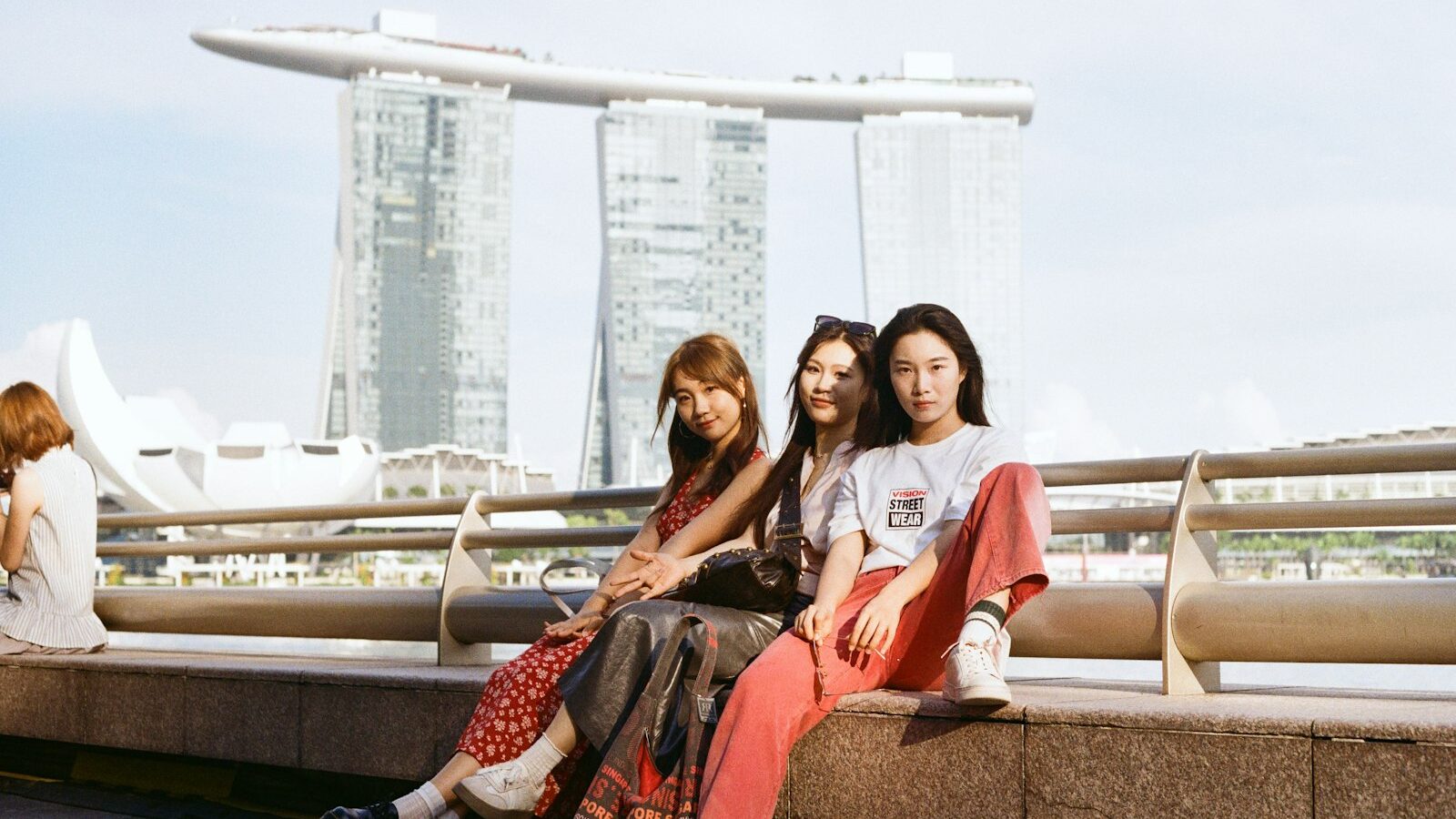
Japanese fashion style is less a single trend than a way of thinking about clothes: considered proportions, quiet colours and fabrics that are meant to be lived in. If you have ever admired the relaxed layering of a Tokyo street photo and wondered how to translate it for a humid island, this guide breaks down the main schools of thought and shows you how to wear them here.
What Makes It Recognisable
There is no one Japanese look, but a few instincts run through most of it. The first is respect for proportion. Instead of chasing a body-hugging silhouette, the clothes create shape through volume: a boxy top over slim trousers, or a wide leg balanced by a neat shoe. The second is restraint with colour. Navy, charcoal, ecru, olive and black do most of the work, with a single accent used sparingly. The third is an obsession with fabric and finish. Seams, weave and drape matter as much as the cut, which is why even a plain shirt can feel considered.
This is why the aesthetic reads as calm rather than loud. Individual pieces are simple, so the interest comes from how they are combined, how they hang and how they age.
The Main Styles You Will See
Japanese fashion covers several distinct families. Knowing them helps you borrow deliberately rather than mixing signals by accident.
- Minimalist and utilitarian. Think clean lines, neutral tones and functional details such as deep pockets and adjustable hems. This is the Muji-adjacent aesthetic many Singaporeans already gravitate towards.
- Americana and workwear. Heavy denim, chore jackets, sturdy boots and indigo dyeing. It borrows from vintage American workwear but obsesses over authentic construction.
- Streetwear. Graphic tees, oversized hoodies, cargos and statement trainers, often layered and accessorised with caps or crossbody bags.
- Avant-garde. The dramatic, asymmetric, mostly black tailoring associated with the country’s celebrated designers. Sculptural and expressive, and the hardest to wear day to day.
- Kawaii and decorative. Playful, colourful and detail-rich, from soft pastels to bolder harajuku styling.
Most people do not commit to one family. They take the layering logic from minimalism, a graphic piece from streetwear and a well-made jacket from workwear, then keep the palette consistent so it holds together.
A Quick Comparison
| Style family | Palette | Key pieces | Best for Singapore? |
|---|---|---|---|
| Minimalist | Neutrals, ecru, navy | Boxy shirts, wide trousers, clean trainers | Very wearable in light fabrics |
| Workwear | Indigo, brown, olive | Denim, chore jacket, boots | Heavy fabrics; save for aircon or travel |
| Streetwear | Black, grey, bold accents | Graphic tees, cargos, caps | Wearable if you keep layers thin |
| Avant-garde | Mostly black | Draped tailoring, asymmetric cuts | Occasion-led, statement dressing |
| Kawaii | Pastels, brights | Prints, ruffles, playful accessories | Fun in cotton, mind the layering |
Layering Without Overheating
The signature Japanese move is layering, which sounds impossible at thirty degrees with high humidity. The trick is to layer light rather than warm. A short-sleeved overshirt worn open over a tee gives you the layered outline without trapping heat. An unstructured, unlined jacket does the same job as a heavy one visually, but breathes far better in aircon-to-street transitions.
Choose fabrics that move air. Loose cotton, linen blends, seersucker and open weaves keep the boxy shapes looking intentional instead of clingy. If you want the volume without the sweat, let the silhouette come from a wide-leg trouser and keep the top half single-layered on the hottest days. For more on this balance, our guide to dressing for Singapore’s heat and humidity is a useful companion.
Building the Palette
Because the colours are quiet, a small wardrobe goes a long way. Start with a base of navy, ecru and charcoal, then add one grounding neutral such as olive or brown. Keep prints minimal; a subtle stripe or a single graphic reads better than competing patterns. When you do want pattern, treat it as the loudest thing in the outfit and keep everything else plain. If you enjoy mixing, our notes on how to mix prints and patterns show how to do it without the look tipping into busy.
Accessories follow the same logic. A canvas tote, a simple cap, unbranded trainers and a plain watch finish an outfit without shouting. The goal is that nothing competes for attention.
Fit Is the Whole Game
You can buy the right pieces and still miss the look if the fit is wrong. Japanese styling lives or dies on intentional proportion. An oversized top should look chosen, with the shoulder seam sitting low on purpose and the hem hitting a clean line, not simply too big. Balance one loose element with one neat one. If the top is voluminous, the trouser should taper or the hem should be cropped to show the ankle. If the trouser is wide, keep the top closer to the body.
Length matters as much as width. A trouser breaking cleanly above the shoe, sleeves pushed or cuffed to a deliberate point, and a hem that sits where you want it will make inexpensive clothes look considered.
Where to Start Locally
You do not need to import anything to begin. Bugis and the surrounding streets carry plenty of relaxed, neutral basics, and second-hand racks are a strong source of boxy shirts and honest denim. Build slowly and choose fewer, better pieces rather than a full outfit at once. As you refine the palette, you will find the style folds neatly into a considered wardrobe, which is exactly the point of developing a signature style rather than chasing every trend.
A Calm Way to Dress
The reason this aesthetic endures is that it is forgiving and quietly flattering. It rewards thought over spending, ages gracefully and suits a climate where comfort is non-negotiable. Start with a neutral palette, get the proportions right, layer light, and let the fabrics do the talking. Done well, Japanese fashion style feels less like a costume and more like the most comfortable version of getting dressed.
Explore more: Dressing for Singapore’s heat and humidity · How to mix prints and patterns · Developing a signature style