
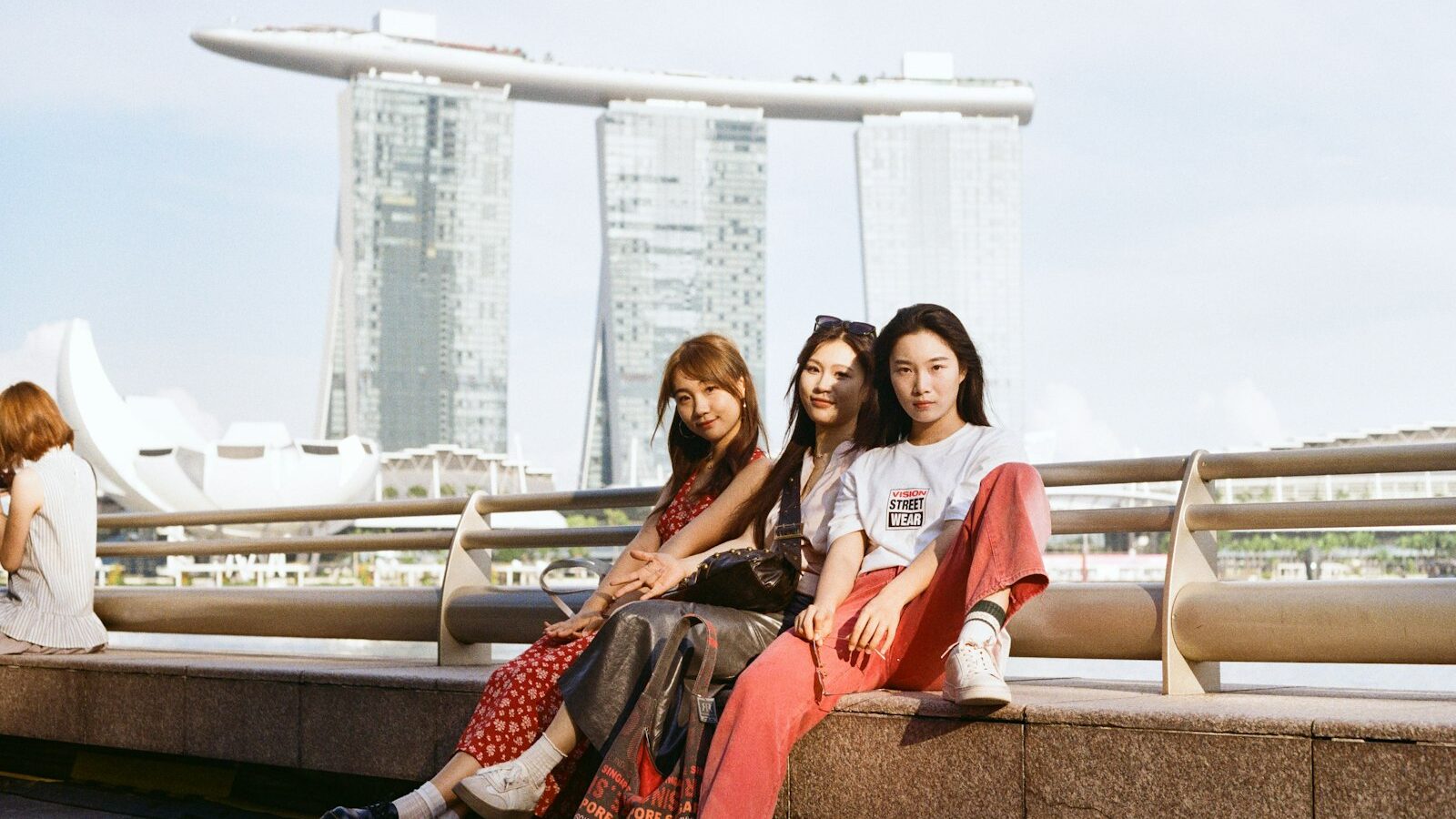
Korean fashion style is a polished, versatile approach to dressing that balances relaxed silhouettes, soft neutral palettes and careful layering to look effortless yet considered. Popularised by K-pop, Korean dramas and Seoul street style, it has become hugely influential across Asia, including Singapore. This guide breaks down what defines Korean fashion style and how to adapt its cooler-weather habits for a warm, humid city.
What defines the look
Korean fashion is not a single uniform but a sensibility. Several threads run through most of it: a love of relaxed, comfortable shapes, a preference for soft and muted colours, thoughtful layering, and an overall polish that makes even casual outfits look intentional. The result reads as easy and put together at the same time, which is a big part of its appeal.
Two broad moods dominate. One is a clean, minimalist look built on neutral basics, tailored touches and quiet colour. The other is a softer, more playful style with oversized knits, gentle pastels and a cosy, layered feel. Most people who follow Korean fashion move between the two depending on mood and occasion, borrowing the parts that suit them.
Signature elements
A handful of recurring features make an outfit read as Korean influenced.
- Relaxed silhouettes. Oversized shirts, roomy trousers and loose knits, often balanced by one fitted element.
- Soft, muted palette. Cream, beige, soft grey, pale blue, muted pastels and gentle earth tones.
- Layering. Shirts over tees, cardigans over collars, and light jackets used to add depth.
- Clean, minimal styling. Simple jewellery, tidy hair and understated finishing.
- Comfort with polish. Nothing looks forced, yet nothing looks careless.
Korean style versus other minimal looks
Korean fashion shares ground with several other styles, so a comparison clarifies what makes it distinct.
| Style | Silhouette | Palette | Feel |
|---|---|---|---|
| Korean style | Relaxed, layered | Soft neutrals, pastels | Effortless, youthful |
| Western minimalism | Clean, structured | Sharp neutrals | Precise, understated |
| Old money | Traditional tailoring | Navy, cream, stone | Heritage, mature |
| Streetwear | Oversized, bold | Graphics, contrast | Expressive, casual |
Korean style is softer and more playful than strict Western minimalism, younger than the old money aesthetic, and calmer than streetwear. Its trademark is that gentle, layered ease.
The layering problem in Singapore
Here is the honest catch. So much of Korean fashion is built for a country with four real seasons, full of coats, thick knits and multiple layers. Worn literally in Singapore, it would be unbearable. The good news is that the aesthetic can be adapted, because the palette and silhouette matter more than the number of layers.
Focus on lightweight, breathable fabrics. Airy cotton, linen and light knits let you nod to the layered look without overheating. Instead of stacking heavy pieces, use a single light layer such as an open shirt over a tee, which gives the impression of layering while keeping you cool. Save genuine knitwear and jackets for aircon-heavy offices, cafes and cinemas, where they finally make sense. Our guide to dressing for Singapore’s heat and humidity explains which materials cope best.
Colour transfers easily and is one of the most useful things to borrow. The soft, muted palette flatters most people and coordinates without effort, which suits both the climate and a simple wardrobe. If you enjoy building outfits from one colour family, our piece on monochrome and tonal dressing pairs well with this style.
Building a Korean influenced wardrobe
You do not need to import an entire look. Take the elements that work for you and fold them into what you own.
Start with soft neutrals
Build a base of cream, beige, soft grey and muted tones. These colours are the quickest way to make an outfit feel Korean influenced, and they mix so easily that you can get dressed in seconds. A compact, coordinated set of basics is the ideal foundation, which is exactly what our guide to building a capsule wardrobe in Singapore helps you assemble.
Play with proportion
Relaxed silhouettes are central, but balance keeps them from looking sloppy. Pair a loose top with slimmer trousers, or roomy trousers with a fitted top. Letting one half of the outfit be relaxed and the other more fitted is the simple trick behind so many Korean looks.
Add light layering
Even in the heat you can suggest layering with a single extra piece: an open overshirt, a light cardigan carried for the aircon, or a shirt knotted at the waist. These small additions create the depth the style is known for without the warmth of true layering.
Finish simply
Korean styling favours a clean finish. Keep jewellery minimal, hair tidy and shoes clean. A pair of simple white trainers or neat loafers completes most outfits and keeps the focus on the overall balance rather than any single loud item.
Common mistakes to avoid
- Copying winter outfits directly. Heavy layers meant for Seoul autumn will just leave you hot. Adapt the idea, not the exact pieces.
- Chasing every trend. Korean fashion moves quickly online, but the enduring appeal is the palette and silhouette, not the newest micro trend.
- Forgetting fit and proportion. Oversized only works when it is deliberate. Balance a loose piece with a fitted one.
- Overcomplicating it. The look is meant to feel effortless. If an outfit takes too much effort to assemble, simplify it.
A relaxed place to start
Begin by editing in soft neutrals and one relaxed silhouette you feel comfortable in. Practise balancing loose against fitted, add a single light layer, and keep your finishing simple and clean. Because the palette coordinates so naturally, you will find outfits come together quickly and look considered with very little fuss. That easy, layered polish, adapted sensibly for the tropics, is the real heart of Korean fashion style, and it is well within reach whatever your budget.
Explore more: Building a capsule wardrobe in Singapore · Monochrome and tonal dressing · Finding your personal style in Singapore