
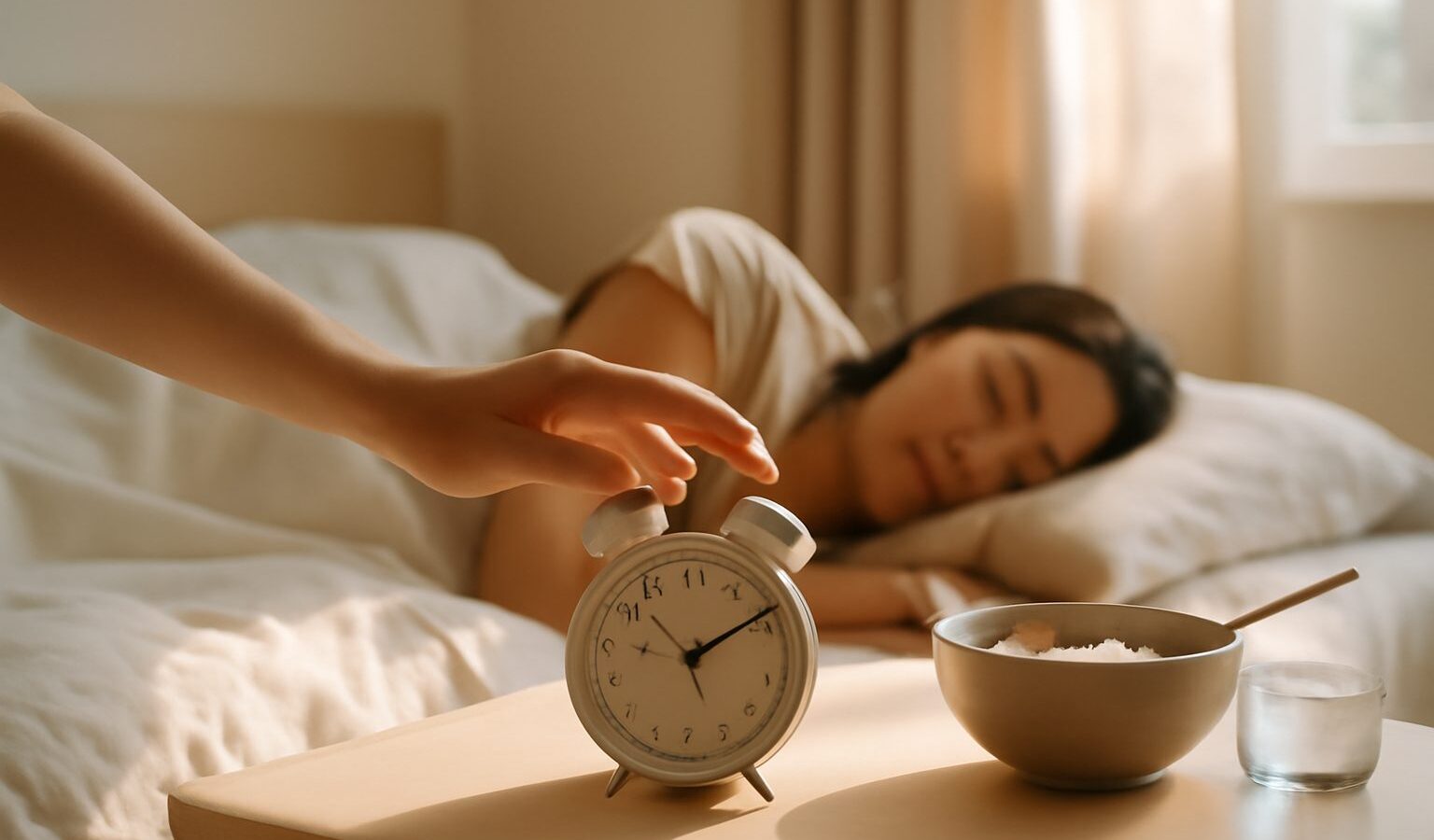
Ever notice how you tend to get sleepy and wake up around the same times, even without an alarm? That is your body clock at work. Learning a little about your circadian rhythm singapore life can help you sleep better, feel more alert during the day, and work with your biology instead of against it. This guide explains what the rhythm is, what nudges it out of sync, and some gentle, honest habits that may help.
This is general wellbeing information, not medical advice. If you have ongoing sleep problems, a shift-work pattern that is wearing you down, or symptoms that worry you, please see a doctor.
What a circadian rhythm actually is
Your circadian rhythm is an internal cycle of roughly 24 hours that runs in the background of your body. A small region in the brain acts as a master clock, and it coordinates countless daily patterns, from when you feel sleepy or alert to shifts in body temperature, hormone release, digestion, and even mood. Almost every organ has its own clock, and the master clock keeps them roughly in step.
The rhythm is not perfectly 24 hours on its own, so it needs daily cues to stay aligned with the real world. The most powerful cue by far is light. Other cues include meal timing, physical activity, and your social schedule. When these cues are regular and well timed, your rhythm stays steady and you tend to feel rested. When they are chaotic, the rhythm drifts, and that is when sleepiness, grogginess, and poor sleep creep in.
What throws your body clock off
Modern Singapore life offers plenty of ways to confuse the clock. Recognising them is the first step.
- Irregular sleep and wake times. Going to bed and rising at wildly different times, especially very late lie-ins at the weekend, sends mixed signals.
- Bright screens and light at night. Evening light, including from phones and bright indoor lighting, can push your rhythm later and delay sleepiness.
- Too little daylight during the day. Staying indoors under dim lighting weakens the daytime signal your clock relies on. This is why the benefits of morning sunlight connect so closely to a healthy rhythm.
- Late, heavy meals and late caffeine. Both can interfere with settling down at night.
- Shift work and travel. Working nights or crossing time zones directly clashes with the clock, which is the whole story behind managing jet lag.
A drifting rhythm often shows up as trouble falling asleep, waking unrefreshed, an afternoon slump, or feeling most awake exactly when you should be winding down.
Being honest about the evidence
The core science is solid. Light strongly sets the body clock, regular routines support healthy sleep, and a misaligned rhythm is genuinely linked with poorer sleep and daytime function. Clinicians use carefully timed light and schedule changes to help certain sleep-timing problems.
Where you should be cautious is with the more dramatic online claims. Precise formulas, exact minute-by-minute rules, and promises that fixing your rhythm will transform your health are not as settled as they are made to sound, and much of that advice is generalised from studies in very different settings. Think of good circadian habits as improving your odds of sleeping and feeling well, not as a guaranteed switch. If your sleep is persistently poor, that is a reason to see a doctor, not to keep chasing routines alone.
Simple habits that may help
The general principle is to make your cues strong and consistent, bright and active by day, dim and calm by night.
- Keep steady sleep and wake times. Aim for a similar schedule across the week, weekends included, even if not identical.
- Get daylight early. Some outdoor light in the morning helps anchor the clock. In Singapore, keep it gentle and avoid long midday sun, since our UV is strong.
- Dim the evening. Lower the lights and ease off bright screens in the hour or so before bed.
- Time your inputs. Try to avoid late caffeine and very heavy late-night meals.
- Move during the day. Regular activity supports the rhythm. If you want a starting point, how to move more during your workday is an easy one.
- Keep the bedroom cool, dark, and quiet. A comfortable, dark room reinforces the night signal.
These habits stack well with a broader wind-down routine, so it is worth pairing this with building better sleep habits.
The practical wrap-up
Your circadian rhythm is the roughly 24-hour clock that shapes your sleep, alertness, and energy, and it stays healthy when your daily cues are strong and regular. Bright light and activity by day, a dim and calm evening, and consistent sleep and wake times are the levers that matter most. Treat good routines as a sensible way to feel more rested rather than a guaranteed fix, respect our strong sun by keeping daytime light gentle, and see a doctor if sleep problems persist despite your best efforts.