
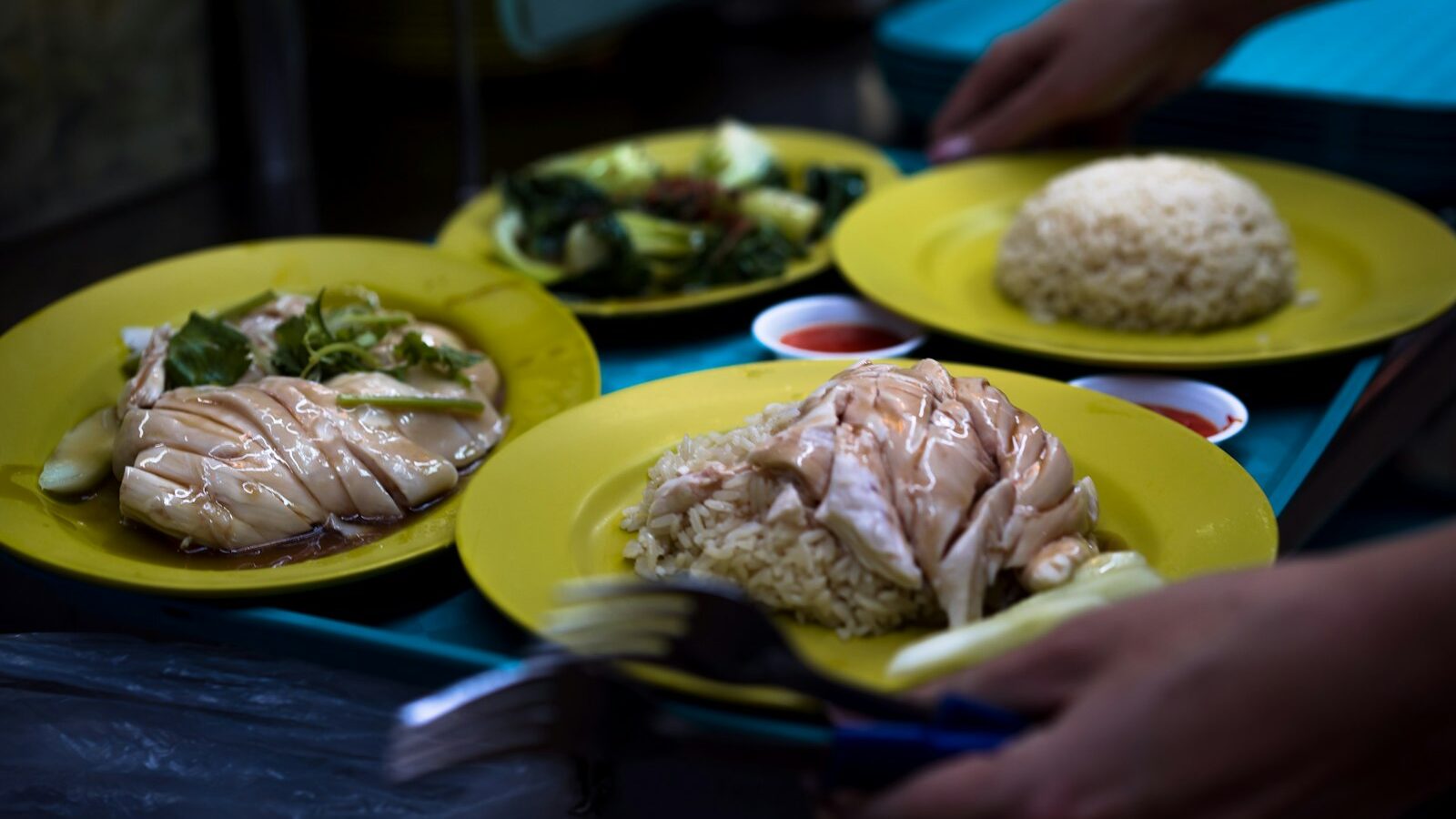
Most of us know roughly what eating well looks like. The hard part is doing it on an ordinary Wednesday, when work ran late, the queue at the hawker centre is short and the fried option is calling. Lasting healthy eating habits are not built on motivation or willpower, which come and go. They are built on small, repeatable choices that fit the life you actually lead in Singapore, so they keep happening even when you are tired, rushed or stressed.
This is general information to help you make everyday choices, not medical or dietitian advice. If you have a health condition, a food allergy or intolerance, or you are planning a big change to how you eat, speak to your doctor or an accredited dietitian for guidance that fits you.
Why Habits Beat Willpower
Willpower is a limited daily resource. By the evening, after a full day of decisions, there is often little left, which is exactly when many of us make the food choices we later regret. A habit works differently. Once a behaviour becomes routine, it takes almost no mental effort, the way you no longer decide to brush your teeth. You just do it.
That is the goal with food: to make the balanced choice the easy, automatic one, so you are not relying on discipline every single meal. This is also why dramatic overhauls tend to fail. A sudden switch to a rigid plan feels impressive for a week or two, then collapses the moment life gets busy. Slow, boring and consistent almost always beats fast and intense.
A helpful anchor is Singapore’s Health Promotion Board idea of My Healthy Plate: aim to fill roughly half your plate with fruit and vegetables, a quarter with wholegrains or other carbohydrates, and a quarter with protein. You will not hit it every meal, and that is fine. Treat it as a compass for the average, not a test you pass or fail each time.
Start Absurdly Small
The most common mistake is trying to change everything at once. A far more reliable approach is to pick one tiny change and let it settle before adding another. Small feels unimpressive, which is precisely why it works: it is easy enough that you keep doing it, and doing it is what counts.
Good starter habits are specific and low-effort:
- Add one serving of vegetables to a meal you already eat, such as a side of stir-fried greens with your economy rice.
- Ask for less rice or noodles at the stall where you know the portion runs large.
- Swap one sugary drink a day for water, kopi or teh with less sugar.
- Keep a piece of fruit or a handful of nuts within reach for the mid-afternoon dip.
- Eat one home-cooked or simply prepared meal on a fixed day each week.
Once a small habit feels automatic, usually after a few weeks, add the next one. This slow stacking is far more durable than a total reset, because each habit has time to take root. If cooking feels daunting, our guide to healthy meal planning for the week breaks it into manageable steps.
Anchor New Habits to Old Ones
A habit sticks faster when you attach it to something you already do without thinking. This is sometimes called habit stacking, and it removes the need to remember. Instead of a vague intention to “eat more fruit”, tie it to a fixed moment: after you make your morning kopi, you eat a banana. After you sit down at your work desk, you fill your water bottle.
The cues around you matter just as much. We eat what is easy to reach and see. So make the better choice the visible, convenient one, and add a little friction to the rest:
- Keep washed fruit and cut vegetables at the front of the fridge, not buried at the back.
- Put the biscuit tin in a high cupboard rather than on the counter.
- Carry a refillable water bottle so a drink is always to hand in the heat.
- Stock a few quick, balanced options at home so a tired evening does not default to delivery.
Small healthy food swaps that work are ideal for this, because they change the outcome without demanding that you learn to cook something new or give up a dish you love.
Plan for Real Life, Not a Perfect One
Habits fail when they assume every day goes to plan. In real Singapore life, meetings overrun, the weather is punishing, family obligations appear and some weeks are simply chaotic. A habit that only survives on good days is not really a habit. Build in flexibility from the start.
Decide in advance what your “busy day” version looks like, so you are not deciding from scratch when you are frazzled. That might be a specific balanced hawker order you can get quickly, or a simple assembly meal at home. Having a default removes the exhausting negotiation with yourself. Our guide to healthy eating when you have no time is full of realistic options for exactly these days.
Here is how the two mindsets compare in practice.
| Situation | The all-or-nothing mindset | The lasting-habit mindset |
|---|---|---|
| One meal goes off plan | “I’ve ruined it, might as well give up” | “That was one meal, the next one is normal” |
| A hectic, no-time week | Abandon everything until things calm down | Fall back on a simple default order or meal |
| Craving something rich | Resist hard, then overeat it later | Enjoy a sensible portion, move on |
| Progress feels slow | Quit and look for a quick fix | Trust that small changes compound over months |
| A holiday or festive season | “It’s all wrecked now” | Enjoy fully, return to routine after |
The right-hand column is what keeps people going for years. It treats a slip as a single event, not a verdict on your character.
Make It Enjoyable and Kind
A habit you resent will not last, no matter how “correct” it is. If your idea of healthy eating is joyless and punishing, part of you will always be looking for the exit. So choose foods and dishes you genuinely like, cooked and ordered in ways that feel good. Healthy eating in Singapore can absolutely include char kway teow, a good curry and dessert. It is about the overall pattern, not banning the food you love.
Be kind to yourself on the days it slips, because those days will come. Guilt is a poor motivator and often triggers the very overeating it warns against. If food regularly brings stress, guilt or a sense of losing control, building a calmer relationship with food is worth real attention, and ongoing distress is a good reason to reach out to a professional.
Let Habits Compound Over Time
The reason small habits feel underwhelming is that their payoff is invisible day to day. You will not notice a difference tomorrow from adding one serving of vegetables. But repeated across months and years, these quiet choices are what actually shape how you eat and feel. This is the opposite of a crash diet, which promises a lot fast and delivers little that lasts.
So pick one small change today, attach it to something you already do, and give it a few weeks before adding the next. Aim for a steady average rather than a perfect record, keep the food you love in the picture, and let time do the heavy lifting. That is how healthy eating habits stop being something you force and become simply how you eat, which is the only version that ever really sticks.