
There is a special thrill in spotting a tired chair by the void deck or a dull cabinet in a thrift shop and seeing what it could become. Upcycling in Singapore is exactly that hobby: taking something secondhand or discarded and giving it new life, style and use. Thrift flipping adds a gentle twist, where you refresh a piece and pass it on to someone who will love it. It is creative, kind to the planet and forgiving of beginners, because you are starting with something that was already heading out the door. This guide will help you begin this weekend, whatever your budget or flat size.
What Upcycling and Thrift Flipping Really Mean
Upcycling means improving an item so it is worth more or works better than before, rather than simply recycling it into raw material. A chipped drawer unit becomes a painted bedside table; a plain tote gets embroidered; an old ladder turns into a plant stand. Thrift flipping is upcycling with a next owner in mind: you find something cheap or free, improve it, and rehome it, sometimes for a small profit.
The heart of both is the same happy loop. You hunt, you imagine, you improve, and you enjoy the result. Because the starting piece is inexpensive, the stakes are low and the learning is fast. A coat of paint that goes wrong can simply be sanded and redone, and every attempt teaches you something for the next find.
Where to Find Pieces Worth Flipping in Singapore
Half the fun is the hunt, and this island has plenty of hunting grounds. The key is to look with an eye for good bones: solid wood, sturdy joints and a shape you like matter far more than the current colour or finish.
- Thrift and charity shops, such as those run by welfare organisations, for furniture, homeware and clothing.
- Online marketplaces and community groups where neighbours give away or sell items cheaply, including many free listings.
- The karang guni trade and secondhand dealers for larger furniture at gentle prices.
- Void decks and lift lobbies, where usable items are sometimes left out, though always be considerate and take only what is clearly discarded.
- Flea markets and car boot sales for smaller decor, frames and curios.
When you inspect a piece, open every drawer and door, wobble it gently, and sniff for damp or mould, which is common in our climate. Check for signs of termites or borer holes in wood, and give upholstered items a careful look, since fabric can hide stains and pests. A quick clean at home, with the item aired out first, tells you what you are really working with.
What You Need to Start
You can begin with almost nothing. Many first flips need only cleaning supplies, sandpaper and a small tin of paint. As you take on bolder projects, you add a few tools. Buy as you go rather than all at once, and lean on value shops for the basics.
The table below sketches three starting levels so you can match the effort to your confidence and space. Prices vary a lot, so treat any budget label as rough guidance and check current costs at the shop.
| Project level | Example project | Typical supplies | Rough budget band |
|---|---|---|---|
| Easy refresh | Repainting a stool or frame | Cleaner, sandpaper, primer, brush, paint | Budget |
| Light makeover | New knobs and paint on a cabinet | Screwdriver, filler, sandpaper, paint, handles | Budget to mid |
| Fuller flip | Reupholstering a chair seat | Staple gun, foam, fabric, pliers, tools | Mid |
A few low-cost heroes go a long way: a good primer that helps paint stick to laminate and metal, painter’s tape for clean edges, and microfibre cloths for dust-free finishes. Water-based paints are pleasant to use indoors and clean up with water.
Easy Projects to Build Your Confidence
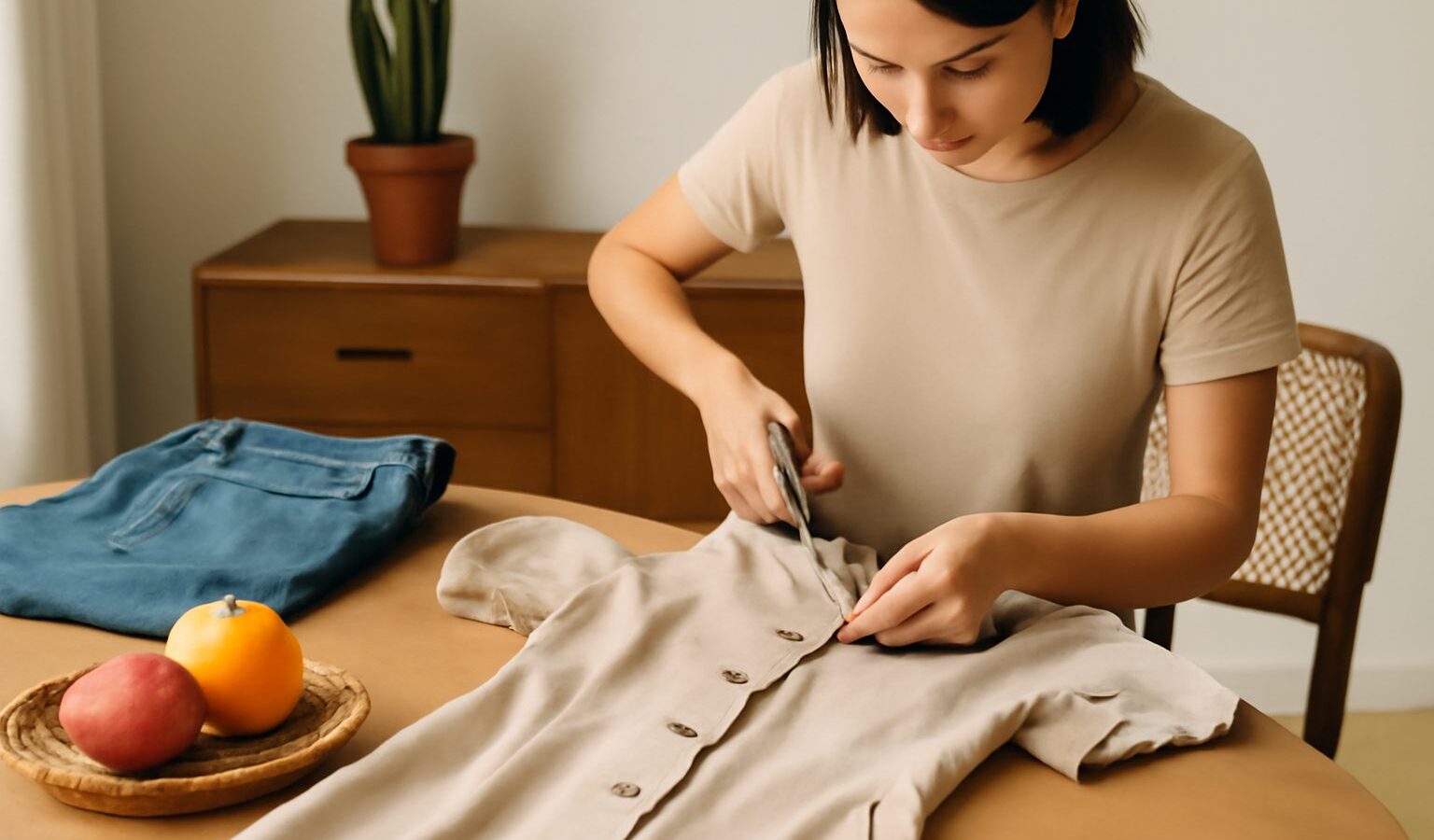
Momentum comes from finishing things, so start small and let each win pull you into the next. Gentle beginner flips include repainting a wooden stool, updating a cabinet with fresh knobs and paint, turning an old crate into a shelf, sanding and oiling a scratched wooden tray, or dyeing a faded tote bag. Clothing is a friendly entry too: hemming, adding buttons, or patching denim needs only a needle, thread and a little practice.
Work in a ventilated spot, protect your floor with newspaper or a drop sheet, and give paint and glue time to cure fully before use. In our humidity, that curing can take longer than the tin suggests, so be patient and keep the room airy. If a piece needs sanding, wear a dust mask and eye protection, and if you use any solvent-based product, follow its safety instructions and keep the space well ventilated.
Selling Your Flips and Sharing the Love
Part of the joy of thrift flipping is passing a piece on. Photograph your finished item in good daylight, write an honest description that notes any quirks, and list it on the same marketplaces and community groups where you find pieces. Fair, friendly pricing sells faster than chasing top dollar, and repeat buyers come from honest listings.
If your hobby grows into a steady little income stream, it is worth knowing the general lay of the land. Should flipping become a genuine business rather than the occasional sale, you may need to register with ACRA and declare your income to IRAS. This is general information rather than business or tax advice, so verify the current rules and thresholds directly with ACRA and IRAS before you scale up. For most people, though, this stays a joyful weekend hobby that happens to fund the next find.
One last local note: store your materials and finished pieces away from damp. Keep fabric, paint and wood in a dry, ventilated spot, use silica gel in boxes of smaller supplies, and let nothing sit in a sealed, humid cupboard where mould can take hold.
Explore more
Upcycling pairs beautifully with other making hobbies. If you fancy building from scratch, see our guide to DIY home projects in Singapore, or add a handmade touch to your flips with embroidery and cross-stitch. If clothing flips catch your interest, our beginner’s guide to sewing will give you the stitches to take garments further.