
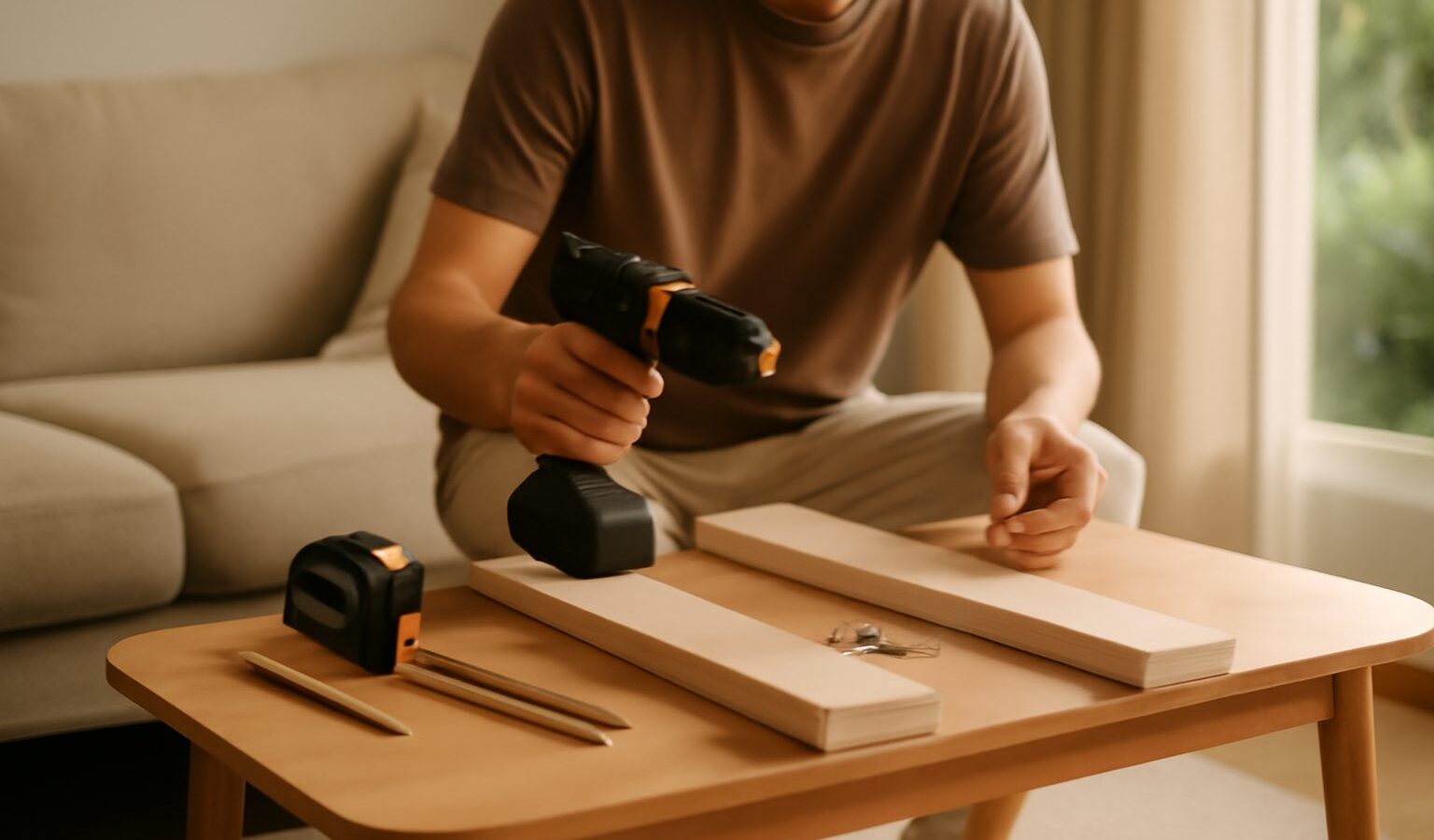
There is a quiet satisfaction in fixing, building or refreshing something with your own hands, and DIY home projects in Singapore are a wonderfully friendly place for a total beginner to start. You do not need a workshop, a garage or a wall of expensive tools. A small flat, a folding table by the window and a couple of afternoons are enough to hang a shelf, revive a tired cabinet or build a little planter for the balcony. This guide will help you picture starting this weekend, with projects sized for HDB flats and rentals, a sensible first toolkit, and calm, clear notes on staying safe.
Why DIY Is a Rewarding Hobby to Pick Up
DIY is one of those hobbies that pays you back twice. There is the finished result, a steadier shelf or a cabinet in a colour you actually like, and there is the quieter reward of learning that you are more capable than you thought. Each small win, a screw driven straight or a drawer that finally glides, builds the confidence to try the next thing.
It is also a hobby that fits real life here. Many of us rent or live in compact flats, so the ability to solve small problems yourself is genuinely useful. A wobbly table, a door that squeaks, a corner that begs for storage: these are all beginner projects. Best of all, you can start cheap. Plenty of first projects need nothing more than a screwdriver, a bit of sandpaper and some patience.
Beginner Projects That Suit HDB Flats and Rentals
If you live in an HDB flat or a rented home, the trick is to choose projects that are low-noise, low-mess and, where you rent, easy to reverse when you move out. Keep drilling for daylight hours to respect your neighbours, and check your tenancy agreement before you make holes in walls.
Gentle starting points include:
- Assembling and upgrading flat-pack furniture, then swapping in nicer handles or knobs.
- Building a small shelf, spice rack or shoe rack from pre-cut timber.
- Refreshing a cabinet or side table with sanding and a coat of water-based paint.
- Sealing gaps and re-doing tired silicone around a sink with a caulking gun.
- Putting up peel-and-stick hooks, rails or removable wallpaper that lift off cleanly later.
- Making a simple balcony planter box for herbs, sized to your ledge.
For renters especially, lean on no-drill and removable solutions first: tension rods, adhesive mounts rated for weight, and freestanding units. You still get the joy of making, without the deposit worry. When you do drill into concrete walls, you will need the right plug and a hammer or impact function, so read up on your specific wall type before starting.
Building Your First Toolkit
You do not buy everything at once. Start with a basic hand-tool kit, add a cordless drill when a project calls for it, and only reach for bigger power tools once you have a clear, repeated need. Buying cheap-but-decent first, then upgrading the few tools you use most, is a sensible and thrifty path.
The table below compares three tiers so you can see roughly what suits where you are. Treat the price bands as loose, illustrative guidance only and check current prices at the retailer, since they vary widely by brand and sale.
| Toolkit tier | Typical contents | Good for | Rough budget band |
|---|---|---|---|
| Starter hand tools | Screwdrivers, hammer, tape measure, spirit level, utility knife, pliers | Flat-pack builds, small fixes, hanging light items | Budget |
| Core power add-on | Cordless drill-driver, drill and driver bits, wall plugs, sanding block | Shelves, cabinets, drilling into masonry | Mid |
| Growing kit | Orbital sander, jigsaw, clamps, workbench, safety gear | Cutting timber, refinishing, bigger builds | Premium over time |
A small tip that saves money and frustration: buy good consumables. Sharp drill bits, quality screws and proper wall plugs make cheap tools feel far better than they are.
Power Tools and Staying Safe
Power tools make DIY faster and more fun, and they deserve calm respect rather than fear. The habits below keep the hobby enjoyable.
- Read the manual for each tool before first use, and follow the manufacturer’s safety instructions.
- Wear eye protection whenever you drill, cut or sand, and a dust mask for sanding or MDF.
- Tie back long hair, skip loose sleeves and dangling jewellery, and clear the area of trip hazards.
- Clamp your workpiece so both hands stay on the tool, and never hold small offcuts by hand while cutting.
- Unplug or remove the battery before changing bits or blades, and let the tool stop fully before setting it down.
- Before drilling into any wall, check for hidden electrical cables and pipes with a detector, as concealed wiring is a real risk.
- Work in a ventilated spot when painting, sanding or using solvents, and keep the space dry to avoid slips.
If a job involves your home’s electrical wiring, gas or major plumbing, that is the moment to call a licensed professional rather than improvising. Knowing where DIY sensibly stops is part of doing it well.
Where to Buy Supplies and Learn in Singapore
Getting kitted out here is easy once you know the usual stops. For tools and hardware, neighbourhood hardware shops are gold for advice, small quantities and cutting timber to size, while larger home-improvement and hardware chains carry the wider range. Daiso and similar value shops are great for sandpaper, brushes, adhesive hooks and small odds and ends. For paint, brushes and finishes, dedicated paint shops and the bigger DIY stores will guide you to a water-based option that is kinder for indoor use.
To learn, you are spoilt for choice without spending much. Community centres and some libraries run occasional workshops, and there are maker spaces where you can use larger equipment under guidance. Online, short video tutorials will walk you through almost any beginner task step by step. Start by searching the exact thing you want to do, then copy along slowly.
One local reality worth planning for is the humidity. Our damp, tropical air can rust tools, swell untreated timber and encourage mould on stored materials. Keep metal tools in a dry box with a few silica gel packs, store timber flat and off the floor, and let painted or glued pieces cure fully in a ventilated room before use. A little care here keeps both your tools and your finished projects looking good for years.
Explore more
If DIY has you in a making mood, there are gentler crafts to try alongside it. See our guide to upcycling and thrift flipping as a hobby to turn secondhand finds into something lovely, or explore getting into pottery and ceramics for a hands-on craft with a soothing rhythm. Still deciding where to begin? Our overview of how to find a new hobby in Singapore will help you choose one that fits your space and week.