
Parking day to day can feel like a small tax on your time and patience, and choosing the right method makes a real difference. Understanding season parking in Singapore, along with coupons and the parking apps that have largely replaced them, helps you park with less fuss and fewer surprises. This guide explains how each option works and when it suits you.
The three ways most people pay to park
At a basic level, public parking in Singapore is paid for in one of three ways, and many drivers use a mix depending on the day.
- Season parking: a prepaid pass, usually monthly, that lets you park in a designated area without paying per session.
- Parking apps: the digital successor to paper coupons, used to start and stop short-term parking sessions.
- Coupons: the older paper system, now largely phased out in favour of apps, though the idea behind them still shapes how short-term parking is charged.
Which mix works for you depends on how often you park in the same place and whether you value predictability or flexibility.
Season parking, explained
Season parking is best thought of as a subscription for a spot you use regularly, such as the car park where you live or the area near your workplace. Instead of paying for each visit, you pay a fixed amount for the period and park within the covered zone.
Public season parking is offered through the relevant authorities. HDB manages season parking for its estate car parks, while URA handles season parking for many public lots it oversees. Private developments and commercial operators run their own season schemes with their own terms.
Season passes usually come in a few common shapes.
- Reserved or non-reserved: a reserved arrangement guarantees a specific lot, while non-reserved lets you use any available lot in the zone.
- Full-day or part-day: some passes cover all hours, while cheaper part-day options cover only certain periods, which suits people who park mainly at night or during office hours.
- Single or multiple car parks: some passes are tied to one location, others cover a cluster.
Because rates and eligibility vary by location and change over time, always confirm the current terms with the managing body before committing.
Coupons and the shift to apps
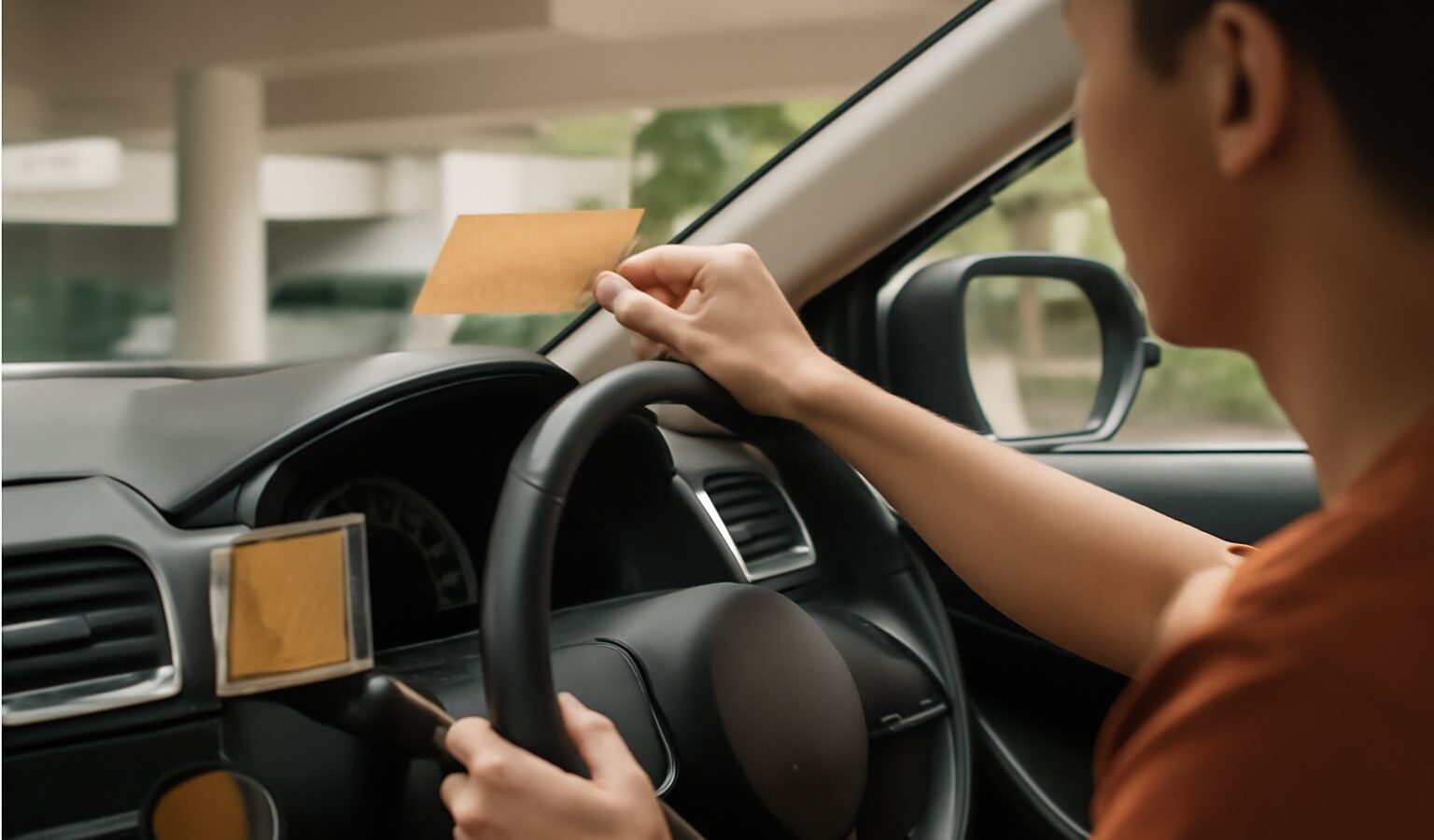
For many years, short-term public parking ran on paper coupons that drivers tore to show the date and time, displayed on the dashboard. That system has largely given way to parking apps, which let you start a session on your phone, extend it remotely if you are running late, and stop it when you leave so you only pay for the time used.
The practical gains are real. You no longer keep a booklet of coupons in the glovebox, you avoid over-displaying time you did not use, and you can top up without walking back to the car. The trade-off is that you need a charged phone, a working connection and a correctly entered vehicle number, so a moment of care at the start of each session matters.
Season parking or pay per use: how to choose
The honest answer is that it depends on your routine. The table below sets out the trade-offs so you can match a method to how you actually drive.
| Factor | Season parking | Apps or per-session |
|---|---|---|
| Best for | Daily, predictable parking in one area | Occasional or varied locations |
| Cost pattern | Fixed for the period | Varies with usage |
| Convenience | No action each time | Start and stop each session |
| Flexibility | Tied to a zone | Park almost anywhere covered |
| Risk to watch | Paying for a period you barely use | Forgetting to start or stop a session |
A simple test helps. If you park in the same place on most days, season parking usually pays off and spares you the daily ritual. If your parking is scattered across town, per-session apps keep you flexible and you only pay for what you use.
Getting the details right
A few small habits prevent the common headaches.
- Confirm the covered zone. Season parking applies only within its designated area, so check exactly which car parks and lots are included.
- Renew before expiry. Set a reminder, because parking on an expired pass can lead to a notice.
- Enter your plate carefully. In apps, a mistyped vehicle number is a frequent cause of avoidable trouble.
- Confirm the session started. Wait for the confirmation rather than assuming it went through.
- Keep your records. Screenshots and receipts are useful if you ever need to query a charge.
When you park somewhere new
Unfamiliar car parks are where mistakes happen. Read the signage, note whether the lot is short-term or season-only, and check the operating hours and any free periods. A minute spent reading beats an unpleasant surprise later.
Watching your true parking cost
Many drivers underestimate what parking adds up to over a month because it dribbles out in small amounts. It is worth totalling your parking spend for a typical month, including both season passes and per-session charges, so you can see the real figure. That total often reveals whether a season pass would save money, or whether you are paying for a pass you rarely use.
The same review can flag habits worth changing. If you frequently park in expensive short-term lots near a place you visit daily, a season arrangement or a change of routine may pay for itself. If your season zone no longer matches where you actually park, switching zones or dropping the pass may make more sense. Reviewing this once or twice a year keeps your parking arrangement aligned with how you genuinely get around, rather than how you did when you first signed up.
A calmer parking routine
Season parking in Singapore rewards routine, while apps reward flexibility, and most drivers end up using both. Pick the method that matches how you actually get around, keep your passes current, and pay attention when you park somewhere new. Do that, and parking fades into the background where it belongs, leaving you to get on with your day.
Explore more: Using ERP and parking apps in Singapore · COE and car ownership in Singapore · How to appeal a parking fine in Singapore