
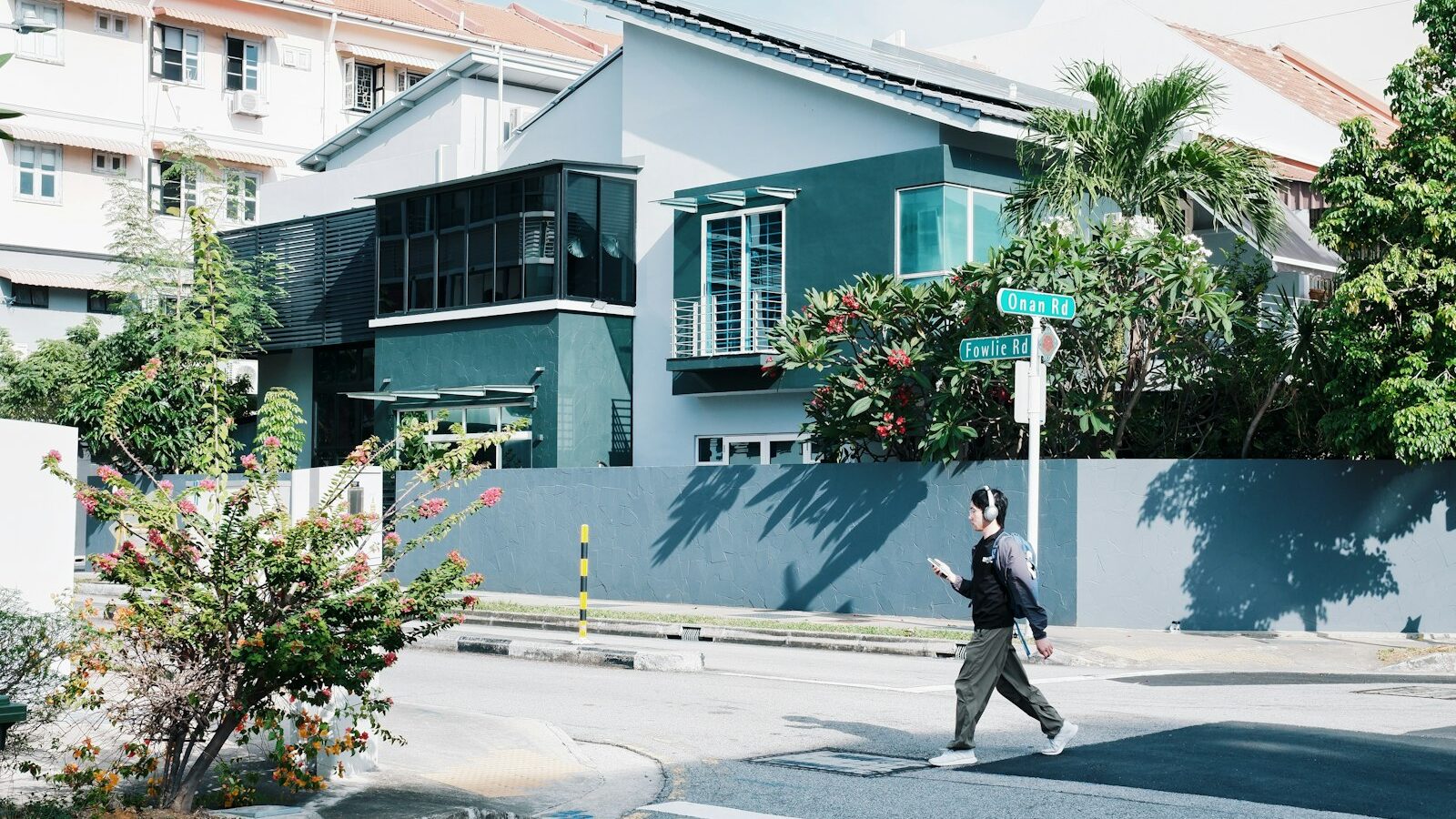
Moving into a new place is one of the first real tests of settling in, and this utilities newcomer Singapore guide walks you through getting the lights on, the water running, and the internet working without stress. If you have just arrived from mainland China, some things will feel familiar and some will work differently, from how you pay to which apps you use. The aim here is to explain how the pieces fit together and what to sort out in your first week. This is general information only, and providers, plans, and prices change, so confirm current details directly with each provider before you sign up.
Understanding the Main Utilities
In Singapore, three basic household utilities usually come together: electricity, water, and gas. Water and used-water (sewerage) services are provided by the national water agency, and most homes receive a single combined utilities account that covers electricity, water, and often piped gas.
- Electricity. Every home is connected to the national grid, which is operated by SP Group. You will still have an SP Group account for the physical connection and metering even if you buy your electricity from another retailer.
- Water. Clean water and used-water services are national. Singapore treats water as a precious resource, and conservation is taken seriously, so expect messaging encouraging you to use it wisely.
- Gas. Many flats have piped town gas for cooking and water heating. Some homes instead use electricity only, or bottled LPG cylinders in certain older or landed properties. Check what your specific unit has before buying a stove or water heater.
If you are renting, ask your landlord or agent whether utilities are already connected and in whose name. Sometimes the account stays with the landlord and is billed to you, and sometimes you open your own. Clarify this before you move in so you are not left without power on day one.
Setting Up Your Utilities Account
For most new tenants and owners, the practical route is to open or take over a utilities account through SP Group, which handles the combined electricity, water, and gas billing for a typical home. You will generally need identification, your address, and your tenancy or ownership details, and there may be a deposit and administrative steps. Because the exact documents, deposits, and timelines can change, confirm the current requirements directly with SP Group rather than relying on what a friend did a year ago.
Singapore also has an Open Electricity Market, which means you can choose to buy the electricity portion from a licensed retailer instead of at the regulated tariff, while the grid connection and billing infrastructure stay with SP Group. Retailers offer different plans, such as fixed-rate or discount-off-tariff options, with varying contract lengths. Whether switching saves you money depends on your usage and the plan terms at the time, so compare current offers and read the contract before committing. There is no obligation to switch, and staying on the regulated tariff is a perfectly normal choice.
Internet and Mobile Connectivity
For many newcomers from China, getting online is the most urgent task, especially if you rely on staying in touch with family. Singapore has widespread fibre broadband, and most homes can get a fast connection. You typically choose a broadband plan from an internet service provider, arrange installation or activation, and connect a router. If the previous occupant already had fibre installed, activation is often quicker.
A few points worth knowing:
- Fibre termination point. Most modern homes already have a fibre socket installed, so you usually need a plan and a router rather than new cabling.
- Bundles. Providers often bundle home broadband with mobile lines or TV, which can be convenient but locks you into a contract, so weigh flexibility against the discount.
- Mobile first. Before your home internet is live, a local mobile SIM with data keeps you connected and lets you receive verification messages needed to set up local services.
- China apps. Some apps you used at home behave differently here. Our companion guides cover which China apps work in Singapore and how to keep a mainland number active.
First-Week Home Setup Checklist
Your first week is about turning an empty unit into a working home. A sensible order of priorities looks like this:
- Confirm electricity, water, and gas are connected and in the right name.
- Get a local mobile SIM so you can receive messages and set up accounts.
- Arrange home broadband and connect your router.
- Check essential appliances: fridge, stove, water heater, air-conditioning, and washing machine.
- Note where the main switches are, including the electrical distribution board and water shut-off, in case of a trip or leak.
- Buy basic household items and set up a way to pay bills, such as a local bank account or GIRO arrangement.
Taking photos of meter readings and the unit’s condition when you move in is also wise, especially for renters, as it avoids disputes later.
How Home Setup Compares With China
Newcomers often ask how daily home logistics differ from what they knew. The table below gives a general comparison to set expectations, not exact rules.
| Aspect | Mainland China (typical) | Singapore (typical) |
|---|---|---|
| Utilities billing | Often separate top-ups or accounts | Usually one combined utilities account |
| Choosing your electricity seller | Generally fixed provider | Open Electricity Market lets you choose a retailer |
| Paying bills | Widely via WeChat Pay or Alipay | Bank transfer, GIRO, cards, and local apps |
| Cooking fuel | Piped gas or bottled gas common | Piped town gas, electric, or LPG depending on home |
| Home internet | Fibre common, quick setup | Fibre common, plan plus router setup |
The biggest adjustment for many is payment habits, since the everyday China wallet apps may not cover local bills the same way. Setting up a local account and payment method early smooths almost everything else.
Staying Safe and Saving Money
A few habits help you settle in comfortably. Keep your utilities and internet contract details somewhere accessible so you know renewal dates and can avoid auto-renewing on poor terms. Use air-conditioning and water thoughtfully, both for your bill and because conservation is part of local life. If something electrical trips or a gas smell appears, treat it seriously, switch off at the source, and contact your provider or the relevant emergency line rather than improvising.
General Information and Where to Verify
Plans, tariffs, deposits, and connection steps change over time and differ by property, so treat this guide as an overview rather than a fixed instruction. Confirm current electricity, water, and gas account requirements with SP Group and your retailer, and check broadband options directly with the internet providers. This is general information and not personalised advice. If your setup involves anything from the China side, such as documents or transfers, verify current requirements with the relevant Chinese authorities or the Chinese Embassy or Consulate in Singapore, since rules on both sides change.
Explore more
Getting settled goes beyond utilities, so pair this with Renting Your First Home as a Chinese Newcomer and Setting Up Mobile and Broadband as a Newcomer. For the wider picture, see Settling in Singapore: A Guide for Newcomers From China.