
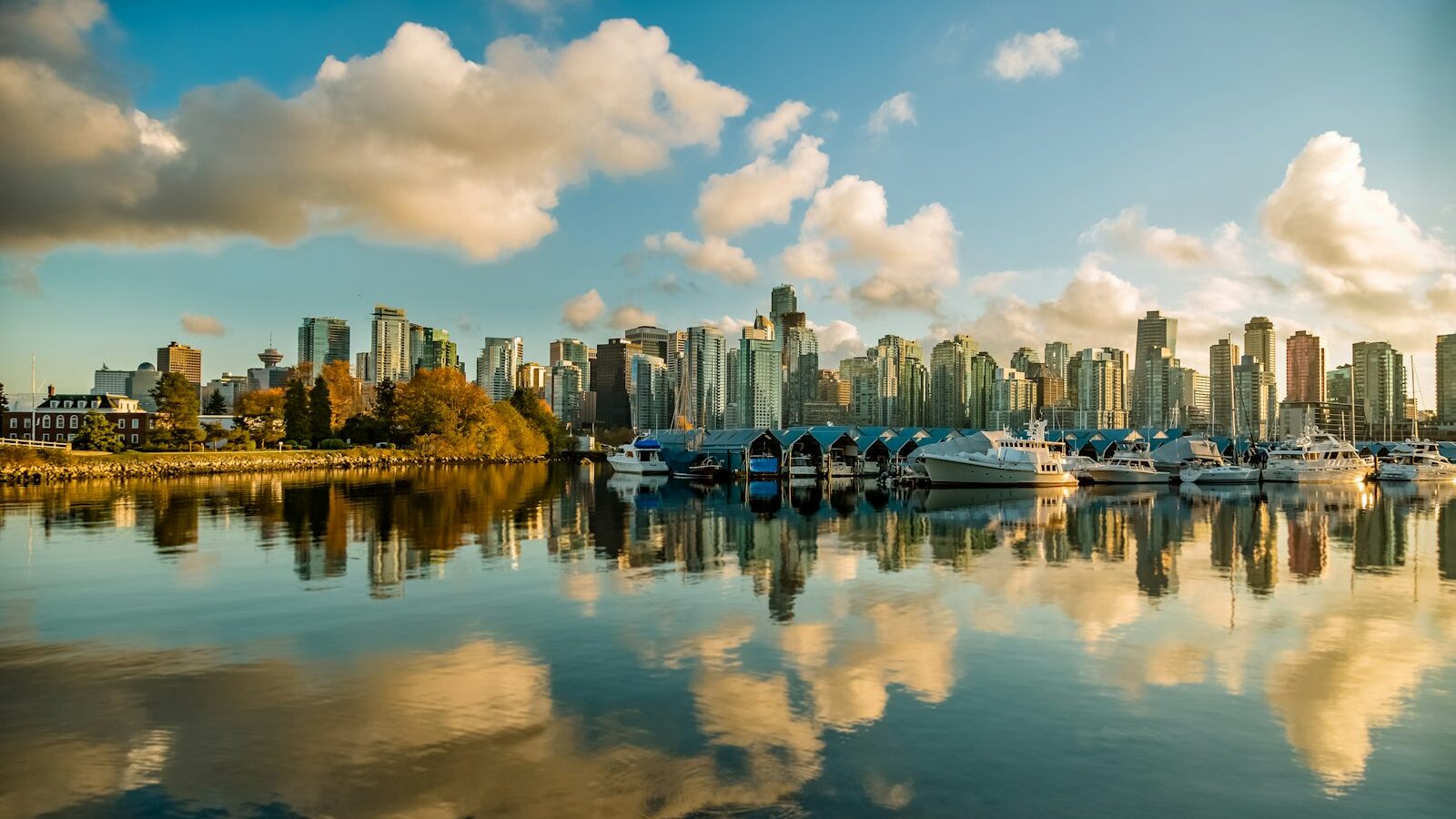
Few big cities put mountains, ocean and rainforest quite as close together as Vancouver does, which is exactly why so many Singapore travellers put it on the list. Planning Vancouver from Singapore means a long haul across the Pacific and a real change of scene, from tropical heat to fresh coastal air with snow-capped peaks in view. It is a relaxed, outdoorsy, walkable city that also makes a natural gateway to the rest of western Canada. This guide covers the practical essentials so you arrive ready to enjoy it.
Getting There From Singapore
Vancouver sits on Canada’s west coast, which makes it one of the more direct long-haul choices in North America from Changi. Depending on the routing, you will either fly a long single leg or connect once through a trans-Pacific or East Asian hub, so plan for close to a day of travel and a large time difference, with Vancouver many hours behind Singapore. A quiet first day helps you reset before you start exploring.
On entry, most short-stay air travellers to Canada need either an approved eTA or a visa, and which one applies depends on your passport. A Singapore passport and a China passport can face very different requirements for the same visit, so check your own case rather than assume. Confirm the current position on Canada’s official immigration channels, and check ICA for your Singapore re-entry. Arrange this before you book, because approval is not automatic.
When To Go And How Long To Stay
Vancouver has a mild but wet climate, so expect grey and rainy stretches outside summer and pack a waterproof layer whatever the month. Summer into early autumn is the most reliable window for clear skies and long days, and it suits hiking and the outdoors. Winter is cooler and damp in the city, though the nearby mountains draw skiers. Spring and autumn are quieter and can be lovely between the showers.
Three to four days covers the city comfortably. Add a few more if you want to head up to the mountains or out along the coast. Vancouver also pairs well with a wider Canadian or west-coast itinerary, and travellers often combine it with San Francisco or Los Angeles further down the Pacific coast.
Getting Around The City
The downtown core and its neighbouring districts are flat and very walkable, and the city is friendly to cyclists. Public transport covers the wider region well, including a rail link from the airport into the city, which is the easy way in. For trips to the mountains or across the water, buses, the seabus and seasonal shuttles do the job, so you rarely need a car unless you are venturing further afield.
- Use the airport rail link rather than a taxi for the ride into town.
- A rechargeable transit card works across buses, rail and the seabus.
- Rent a car only for out-of-city trips into the mountains or up the coast.
- Cycling is a genuinely good way to see the waterfront and parks.
What To See And Do
Vancouver’s appeal is how easily nature and city sit side by side.
- Stanley Park: a huge waterfront park circled by a seawall path, superb for walking or cycling.
- Granville Island: a lively public market and arts area reached partly by tiny ferries.
- Grouse Mountain and the North Shore: peaks and forest trails a short hop from downtown.
- Capilano and the suspension bridges: popular walks high through the treetops.
- Gastown: the historic old quarter, good for a wander, coffee and browsing.
The setting is the real star, so build in time simply to enjoy the views of sea and mountains, and consider a day trip further into British Columbia if you have the days spare.
Where To Eat
Vancouver eats very well, with outstanding seafood, a strong sushi and wider Asian scene reflecting the city’s diverse population, and plenty of casual cafes. Fresh salmon and other Pacific seafood are highlights, and the markets are a good place to graze. Because so many communities are represented, you can eat your way around the world without leaving the city. Dining out is not cheap, so balance restaurant meals with market food and casual spots to manage the daily spend.
Where To Base Yourself
Pick your base to match how you want to spend your days.
| Area | Feel | Best for |
|---|---|---|
| Downtown | Central, walkable, busy | First-timers who want everything close |
| West End | Leafy, near Stanley Park | Walkers and quieter waterfront strolls |
| Yaletown | Smart, waterfront, dining | Restaurants and an easy evening scene |
| Kitsilano | Beachy, relaxed, local | A neighbourhood feel and beach access |
A central base saves transit time but costs more; nearby neighbourhoods offer better value and a calmer feel while staying well connected.
Costs And Money
Vancouver is a relatively expensive city, and accommodation usually takes the biggest share of the budget, followed by food and paid activities. Displayed prices often exclude tax, and tipping is customary in restaurants and for many services, so plan to pay above the shelf figure. Cards are accepted almost everywhere, though a little cash is handy. Exchange rates and prices shift over time, so use any figure you see as a rough guide and check current numbers before you go.
Booking flights and any signature experiences early, and mixing casual meals with the occasional splurge, keeps a Vancouver trip from running away with your budget.
Practical Tips Before You Fly
- Pack for rain and cool air: a waterproof and warm layers earn their place even in summer.
- Jet lag: the time gap is large, so ease into the first day.
- Outdoors sense: trails and mountains need proper footwear and respect for the weather.
- Connectivity: sort an eSIM or roaming plan before you land.
- Insurance and health: medical costs are high, so travel insurance is essential; check MOH or a travel clinic for any current guidance.
Treat entry, health and cost details here as general information rather than official advice, and confirm the current rules from official sources before you commit to plans.
Explore more long-haul North America: San Francisco from Singapore, Toronto from Singapore and Los Angeles from Singapore.