
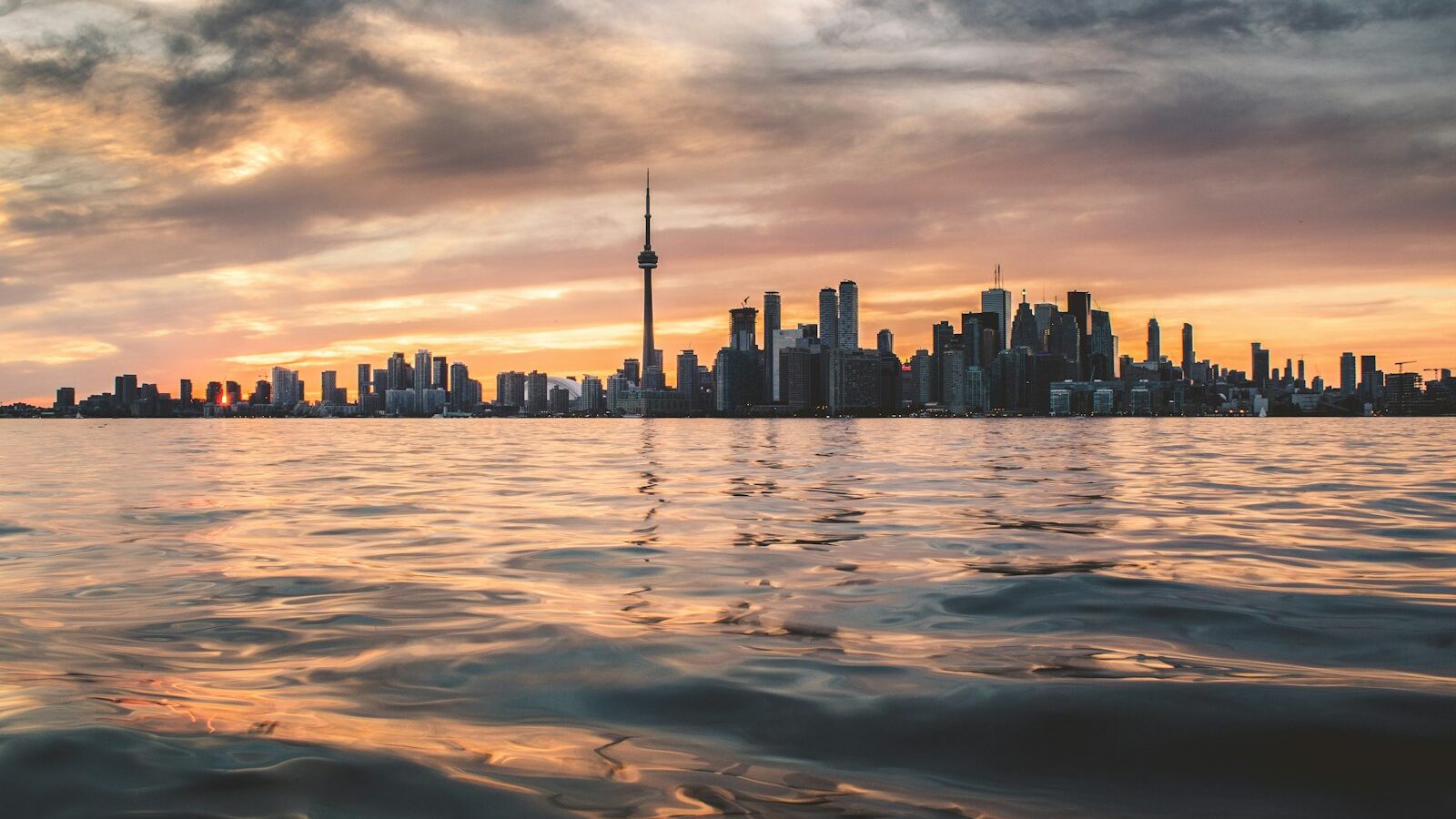
Canada’s largest city is a busy, diverse, multicultural place where you can eat your way around the globe in a single afternoon, and it makes a rewarding long-haul break for Singapore travellers. Planning Toronto from Singapore means a full day or more in transit and a big change of climate, from tropical heat to cold winters or warm, green summers depending on when you go. It is also a natural base for reaching one of North America’s most famous natural sights nearby. This guide walks through the practical essentials.
Getting There From Singapore
Toronto lies in eastern Canada, so it is a longer haul than the Pacific-coast cities and almost always involves at least one connection, commonly through a North American, East Asian, Middle Eastern or European hub depending on the routing. Plan for well over a day door to door and a large time difference, with Toronto many hours behind Singapore. Give yourself an easy first day to recover before diving in.
For entry, most short-stay air travellers to Canada need either an approved eTA or a visa, and which applies depends on your passport. A Singapore passport and a China passport can face very different requirements for the same trip, so check your own case rather than assume you are covered. Confirm the current rules on Canada’s official immigration channels, and check ICA for your Singapore re-entry. Sort this out before booking, as approval is never guaranteed.
When To Go And How Long To Stay
Toronto has a proper four-season climate, and the contrast with Singapore is stark. Winters are genuinely cold with snow, so you will need a serious coat, gloves and warm layers. Summers are warm, sometimes humid, and the city comes alive outdoors. Spring and autumn are milder and quieter, with autumn colour a highlight. Choose your season by how you feel about the cold.
Three to four days covers the city itself at a comfortable pace. Add a day for the famous falls a short trip away, and more if you want to explore the wider province of Ontario. Travellers often fold Toronto into a broader Canadian or North American loop alongside Vancouver on the west coast.
Getting Around The City
Downtown Toronto is walkable, and a public transport network of subway, streetcars and buses covers the core and beyond, including a rail link from the main airport into the city, which is the simplest way in. The city is large and flat, and neighbourhoods each have their own character, so mixing walking with transit works well. You do not need a car in the city itself; save a rental for out-of-town trips.
- Take the airport rail link into downtown rather than a taxi in traffic.
- Use a rechargeable transit card across subway, streetcars and buses.
- Streetcars are handy and scenic for east-west trips across the core.
- Keep a car only for reaching the falls or exploring wider Ontario.
What To See And Do
Toronto rewards curiosity, and its draws are spread across distinct districts.
- The CN Tower: the landmark tower with sweeping views over the city and lake.
- The waterfront and islands: a ferry ride reaches car-free islands with beaches and skyline views.
- Museums and galleries: major collections cover natural history, art and culture.
- Distinct neighbourhoods: areas known for food, markets and street life reward wandering.
- Niagara Falls: the world-famous waterfalls are a popular day trip from the city.
Because the city is so multicultural, some of the best experiences are simply exploring its ethnic enclaves and markets, where the food and atmosphere shift block by block.
Where To Eat
Toronto is one of the great eating cities precisely because of its diversity. You will find outstanding Chinese, South and Southeast Asian, Italian, Middle Eastern, Caribbean and countless other cuisines, often at their authentic best in the neighbourhoods that grew up around each community. Markets are a good place to graze across many kinds of food in one go. Dining out is not cheap, so balance restaurant meals with market stalls and casual spots to keep the daily spend reasonable.
Where To Base Yourself
Match your base to the pace and style you want.
| Area | Feel | Best for |
|---|---|---|
| Downtown core | Central, busy, high-rise | First-timers who want sights and transit close |
| Waterfront | Open, near ferries and lake | Island trips and lakeside walks |
| Kensington and West End | Eclectic, food-led, lively | Eating out and a local neighbourhood feel |
| Midtown | Calmer, residential, leafy | Quieter evenings with good transit links |
A central base saves time but costs more; slightly outer areas offer better value while staying well connected by transit.
Costs And Money
Toronto is a relatively pricey city, with accommodation usually the largest cost, followed by food and paid attractions. Displayed prices often exclude tax, and tipping is customary in restaurants and for many services, so budget above the sticker figure. Cards are accepted almost everywhere, though a little cash is useful. Exchange rates and prices move over time, so treat any figure you read as a rough guide and check current numbers before you travel.
Booking flights and any big-ticket experiences early, and mixing casual meals with the occasional splurge, keeps a Toronto trip within a sensible budget.
Practical Tips Before You Fly
- Pack for the season: winter demands serious cold-weather kit; summer can be warm and humid.
- Jet lag: the time difference is large, so plan a gentle first day.
- Safety: it is a big, generally safe city, but keep the usual urban awareness and check current local advice.
- Connectivity: arrange an eSIM or roaming plan before you land.
- Insurance and health: medical costs are high, so travel insurance is essential; check MOH or a travel clinic for any current guidance.
Treat the entry, health and cost details here as general information rather than official advice, and confirm the current position from official sources before you commit.
Explore more long-haul North America: Vancouver from Singapore, San Francisco from Singapore and Los Angeles from Singapore.