
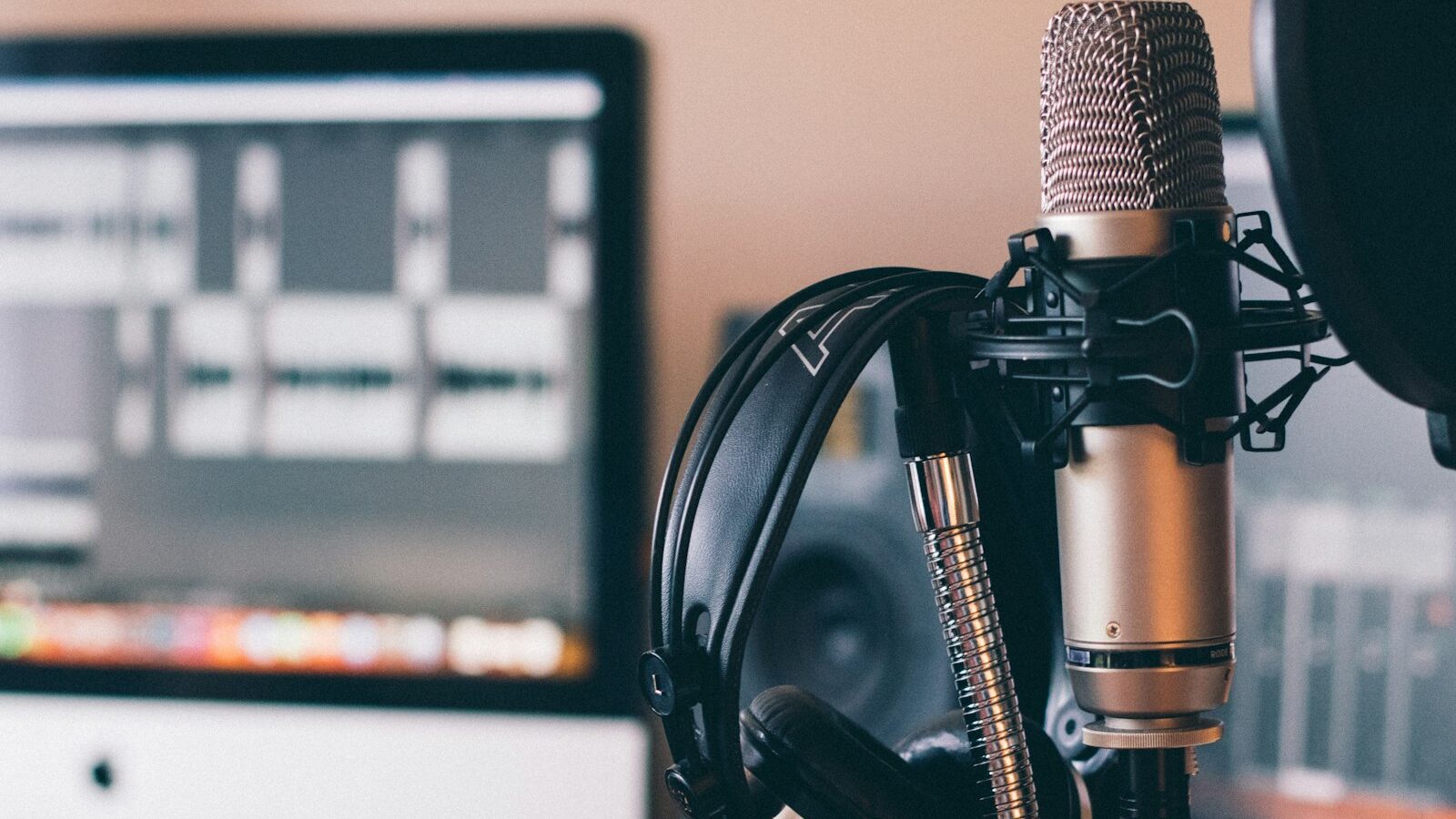
Everyone has a voice, and that is exactly what makes this hobby so quietly thrilling to explore. Voice acting in Singapore is growing as a creative pastime, fuelled by audiobooks, animation, video games, and the sheer number of online spaces where amateur performers can share their work. It is the craft of using only your voice to bring a character or a piece of writing to life, and the lovely part is that you can start tonight, in your own bedroom, with gear you probably already have.
What Voice Acting Really Is
Voice acting is acting first and voice second. Whether you are reading a children’s story, narrating a documentary style script, or voicing a dramatic villain, the goal is to make a listener feel something using tone, pace, emphasis, and character. It is closer to stage acting than to singing, though a good ear and clear diction help enormously.
As a hobby, it takes many welcoming forms. Some people record fan dubs of animated scenes, others narrate short stories or poems, and many join online audio drama projects where a scattered cast records lines from home and an editor stitches them together. In multilingual Singapore, there is a real bonus, because being comfortable in English, Mandarin, Malay, Tamil, or a mix of them opens up a wider range of characters and scripts than a single-language performer can reach.
Starting at Home Without Spending Much
One of the friendliest things about this hobby is the low barrier to entry. You can make your first recording with a phone and a quiet room, then upgrade only if you fall in love with it.
- A recording device. A modern phone or laptop is fine to begin, and a budget USB microphone is the single best early upgrade.
- Free recording and editing software, of which there are several well-regarded options that cost nothing.
- A quiet, soft space. A wardrobe full of clothes or a blanket fort genuinely tames echo, which matters in hard-surfaced HDB rooms.
- Headphones, so you can hear pops, background hum, and mistakes clearly as you record.
Singapore’s flats bring two common challenges, and both are manageable. Ambient noise from traffic, neighbours, and aircon means recording in the quieter parts of the day helps. Echo from tiled floors and bare walls is best softened with soft furnishings or by recording inside a cupboard. Neither problem needs an expensive studio to solve.
How to Practise and Improve
Progress comes from doing, listening back, and adjusting, which can be humbling at first because most people dislike hearing their own recorded voice. Push past that, because listening critically is how you improve. A simple weekly routine works well.
- Warm up your voice and mouth before recording, just as a singer would.
- Read varied material aloud, from calm narration to excited dialogue, to stretch your range.
- Record the same short script several ways, then compare which choices land best.
- Focus on clarity and breath control before worrying about accents or big characters.
Read widely and out loud, since comfort with text is half the battle, and practising performance-heavy reading pairs naturally with a beginners guide to creative writing if you want to try writing your own scripts. Because so much of the modern hobby lives online, learning to publish your recordings is useful too, and starting a podcast as a hobby teaches many of the same recording and editing skills.
Finding Community and Opportunities
Voice acting is more fun with others, and you do not need to be in the same room. Online communities run collaborative audio dramas, casting calls for amateur projects, and friendly critique threads where more experienced hobbyists give feedback. Joining one gives you deadlines, scripts, and encouragement all at once. Locally, drama clubs, community centre theatre groups, and improv sessions build the acting muscles that underpin good voice work, and they are a warm way to meet people. If storytelling through sound appeals to you, you might also enjoy the wider audio craft of karaoke and singing as a hobby, which trains breath, pitch, and stage confidence.
Keep a folder of your recordings so you can hear your growth over months. That personal archive is both a motivator and, should you ever want to try small paid gigs, the beginning of a demo.
A Warm Wrap-Up
Voice acting is a hobby of pure expression that costs almost nothing to begin and gives back a surprising amount of confidence and joy. Start with a phone in a quiet corner, embrace the awkwardness of hearing yourself, and lean into Singapore’s multilingual advantage. Whether you dream of voicing a cartoon hero or simply want a creative outlet after work, your voice is already all the equipment you truly need.