
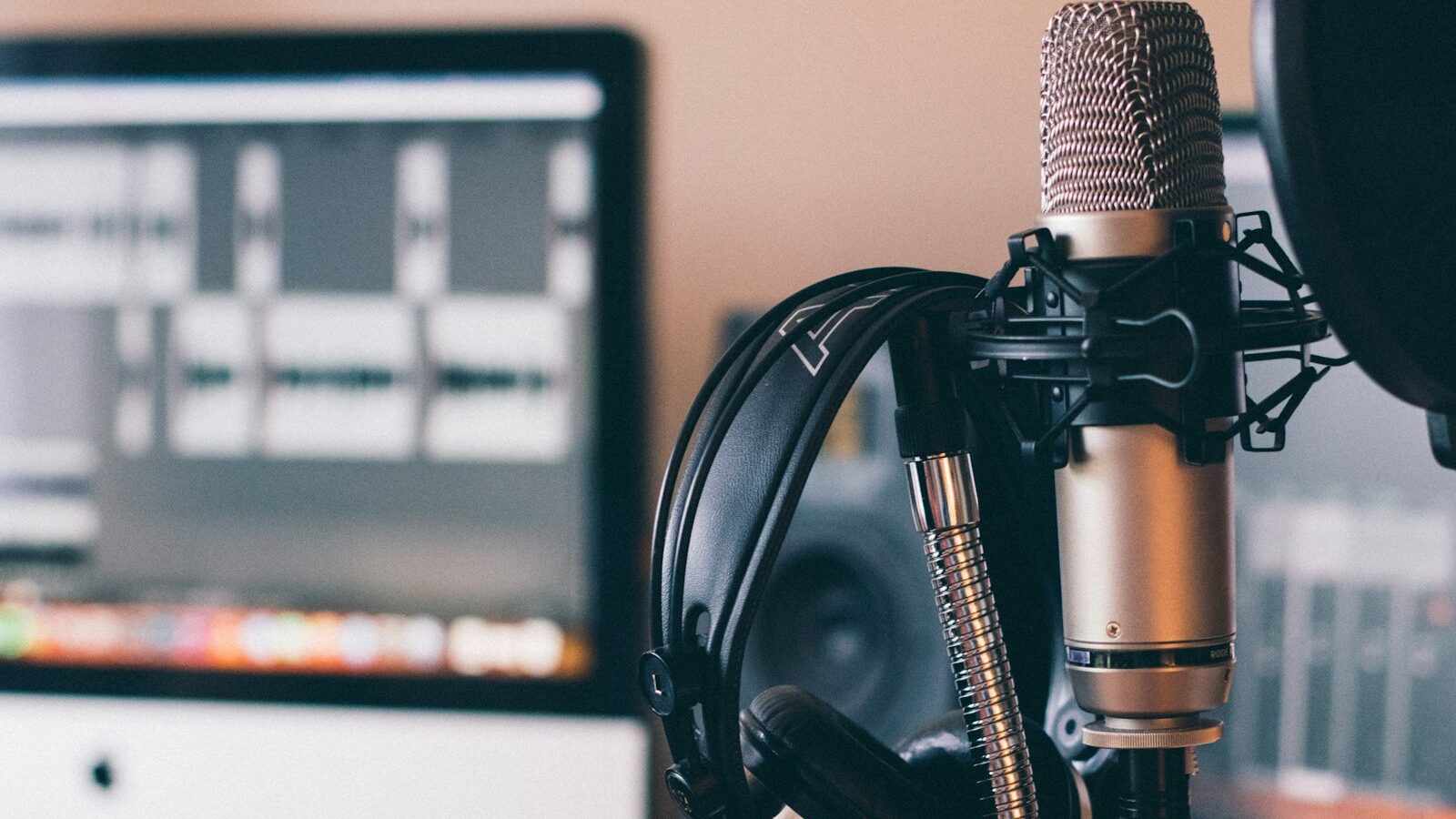
Everyone has a topic they could happily talk about for hours, whether it is football, hawker food, personal finance, true crime or the shows they binge-watch. A podcast turns that enthusiasm into something you can share, and starting a podcast in Singapore is one of the most accessible creative hobbies around. There is no gatekeeper, no studio to rent and no permission needed. With a quiet corner, a decent microphone and a free afternoon, you can record your first episode this weekend.
Podcasting rewards curiosity and consistency far more than fancy equipment. Some of the most-loved shows are two friends chatting into modest microphones. This guide covers why it is such a beginner-friendly hobby, how to plan a show you will actually keep making, the gear you genuinely need, and where to record, learn and publish in Singapore.
Why Podcasting Makes a Great Hobby
Unlike hobbies that need a big upfront spend, a podcast can start almost free and grow only if you want it to. It suits introverts and extroverts alike: you can host solo, co-host with a friend, or interview interesting people. It is also flexible around a busy life, since you record on your own schedule from home.
Beyond the fun, it quietly builds real skills. You get better at speaking clearly, structuring your thoughts, listening actively and editing audio. Many hobbyist podcasters simply enjoy having a regular reason to think deeply about something they love, and a growing archive of episodes to look back on. The goal does not have to be fame or income. Making something you are proud of and sharing it with even a handful of listeners is a genuine win.
Planning Your Show Before You Record
A little planning is what separates podcasts that last from ones that stop after two episodes. You do not need a business plan, just a few clear decisions:
- Pick a focused topic. “Everything I find interesting” is hard to sustain. A clear angle, such as heritage food in Singapore, weekend hikes, or a book club, helps listeners know what to expect and gives you a steady stream of episode ideas.
- Choose a format. Solo monologue, two-host chat, or interview show. Solo is cheapest and simplest; a co-host makes talking easier if you freeze up alone.
- Decide a rough length and rhythm. Twenty to forty minutes is common. Publishing fortnightly that you can sustain beats weekly that burns you out.
- Sketch each episode. A simple bullet outline keeps you on track and cuts down on rambling, which means far less editing later.
- Record a test. Before going public, record ten minutes and listen back. You will spot habits and sound issues while the stakes are still zero.
What You Need to Start
The honest truth is that you can begin with a phone and free software. That said, sound quality is the one thing listeners will not forgive, so a modest microphone is the single best early upgrade. Here is the realistic starter kit:
- A microphone. A USB microphone plugs straight into a laptop and needs no extra hardware, which makes it the easiest choice for beginners. It is also fine to start with your phone’s earphones and their built-in mic.
- Headphones. Any wired pair lets you monitor your recording and catch problems as they happen.
- Recording and editing software. Excellent free programs handle recording, trimming and exporting on both Windows and Mac.
- A quiet space. The most underrated “gear” of all. A carpeted room, a wardrobe full of clothes, or a duvet fort genuinely improves sound more than expensive equipment.
- Podcast hosting. A hosting service stores your audio and sends it out to Spotify, Apple Podcasts and others. Several have free tiers to start.
Do not fall into the trap of buying a mixer, boom arm and studio monitors before your first episode. Start cheap, learn what actually limits you, then upgrade only that.
Choosing Your Microphone Setup
The microphone shapes how professional you sound, so it is worth understanding the main tiers. Prices shift often and depend on the retailer, so treat the bands below as rough guidance and always check the shop for current pricing.
| Setup | Rough budget band | Best suited to | Trade-off |
|---|---|---|---|
| Phone or earphone mic | Free | Testing the idea and first recordings | Weakest sound, but zero cost and instant |
| Single USB microphone | Budget | Solo hosts and beginners | Great quality for the price, very easy to use |
| USB mic per host | Budget to mid | Co-hosted chat shows in one room | Two purchases, but each voice is captured cleanly |
| XLR mic plus audio interface | Mid to premium | Committed hobbyists wanting studio sound | More gear to learn, better long-term quality |
For most people starting a podcast, a single USB microphone hits the sweet spot of quality, price and simplicity. Guests joining remotely can record their own audio at home, so you rarely need many microphones at once.
Recording, Editing and Publishing
Once you have a setup, the workflow is refreshingly simple:
- Record in a quiet room, speaking about a hand’s width from the mic. Do a short test and check the levels are not peaking.
- Edit by trimming the top and tail, removing long pauses and cutting any big mistakes. Resist over-editing; a natural, human feel is part of the charm.
- Add a short intro and outro so episodes feel consistent. Use only music you have the rights to, such as royalty-free tracks.
- Export as an MP3, then upload to your hosting service, which generates a feed for the major podcast apps.
- Publish and share the link with friends. Your first listeners are usually people who already know you, and that is the perfect place to start.
Consistency matters more than polish. Releasing a modest episode on a steady rhythm builds an audience and your own skills far better than chasing perfection.
Where to Learn, Record and Buy in Singapore
Local support for this hobby is stronger than many realise:
- Gear. USB microphones, headphones and pop filters are easy to find at electronics and music shops around Sim Lim Square and Bras Basah, or through reputable online stores with home delivery. Compare options and check current prices before buying.
- Quiet recording spaces. If your HDB flat is noisy, some libraries, community centres and co-working spaces offer bookable rooms or media studios. A few makerspaces have basic recording setups too.
- Protect your gear. Singapore’s humidity can encourage mould on microphones and foam covers, so store equipment in a dry box with silica gel and keep windows shut while recording to reduce both damp and outside noise.
- Learn. Free online tutorials cover every editing program step by step. Local podcasting meetups, workshops and online communities are friendly places to ask questions and swap feedback.
Podcasting is one of the lowest-barrier creative hobbies you can pick up, and the only real requirement is that you enjoy the topic. Choose something you love, keep your first episodes short and simple, and let the habit grow from there. Press record, and see where your voice takes you.
Explore more
Once you are comfortable behind the microphone, the same skills open other doors. The recording gear you buy works beautifully for getting started with home music production if you want to make your own intro music. If your show leans on scripts and storytelling, our guide to creative writing for beginners will sharpen your episodes, and photography as a hobby helps you create eye-catching cover art and social posts.