
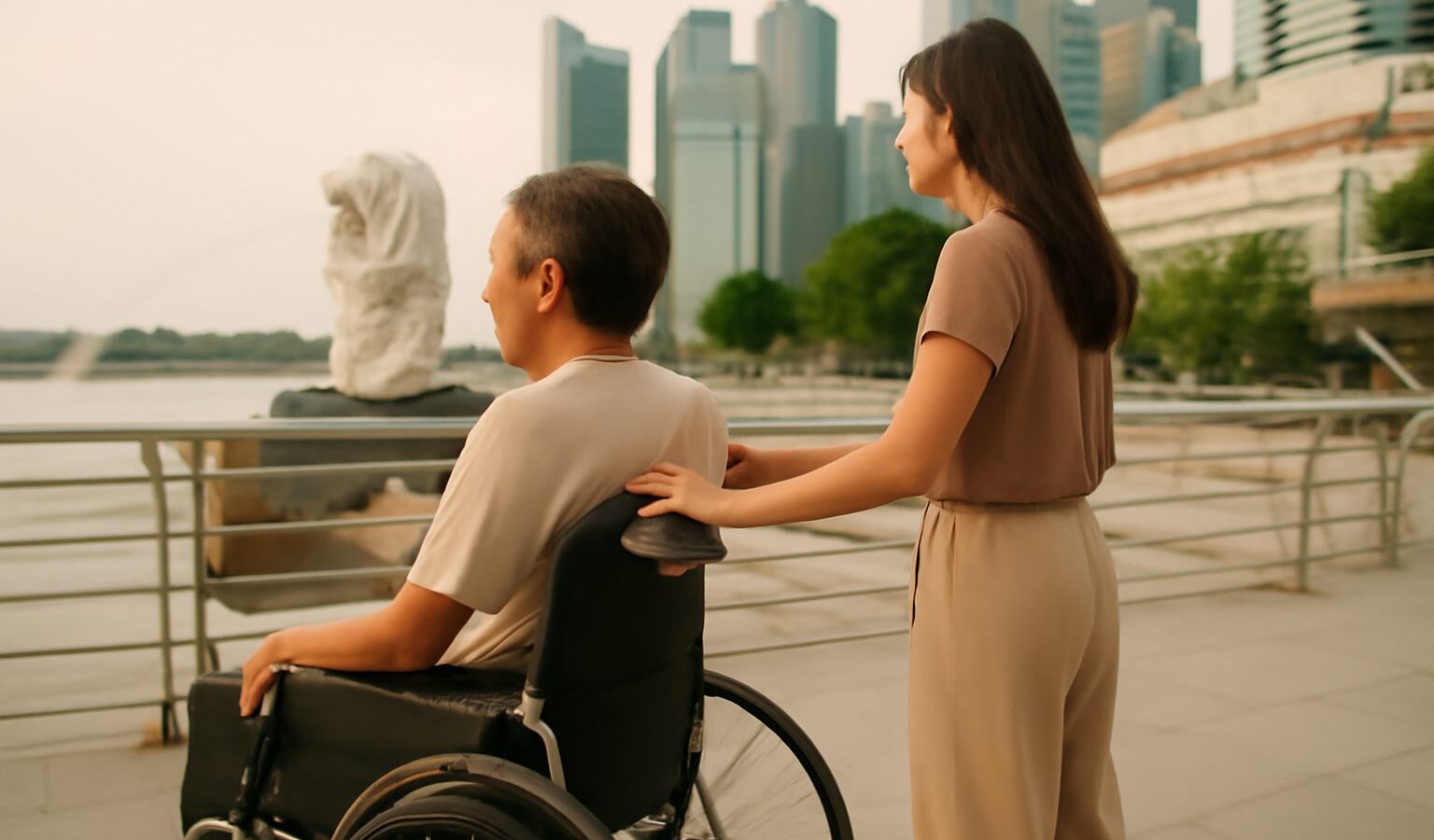
Singapore is one of the more accessible cities in the region, which is great news for anyone seeking wheelchair accessible attractions for themselves, a family member or a friend. Over the years the island has invested heavily in barrier-free design, from ramps and lifts to level pathways, accessible toilets and step-free public transport, so a genuinely enjoyable day out is well within reach. Gardens, museums, waterfront promenades, malls and many major sights have been designed or upgraded with wheelchair users, prams and those with limited mobility in mind.
This guide offers a practical, respectful overview of what to expect and how to plan, whether you are a wheelchair user, a caregiver or simply planning an outing that everyone can enjoy comfortably. One important point runs through everything here: facilities and services change over time, so always check each venue’s current accessibility information directly before you visit. What follows is general guidance to help you plan, not a guarantee of conditions on any given day.
What accessible Singapore looks like
A lot of thought has gone into making the city easier to move around. Many public spaces feature gentle ramps, tactile paving, lifts and wide, level walkways, and a growing number of attractions provide accessible entrances, seating and viewing areas. Large gardens and parks often have paved, flat trails suitable for wheelchairs, along with accessible toilets and rest points, making them pleasant for a relaxed roll rather than a strenuous trek.
Indoor attractions such as museums, galleries and science centres tend to be well suited to wheelchair users, thanks to lifts, smooth flooring, air conditioning and accessible facilities. Shopping malls are similarly convenient, with lifts, ramps, accessible toilets and plenty of places to rest, eat and cool off. Waterfront promenades and civic districts frequently offer long, flat, scenic routes that are easy to enjoy at your own pace.
That said, accessibility is never uniform. An older building, a heritage site with steps, or a nature trail over uneven ground may present challenges, and even accessible venues can have a lift out of service or a route temporarily closed. This is exactly why checking ahead is so valuable, and why it helps to have a flexible plan.
Getting around and practical support
Public transport in Singapore is largely barrier-free, which makes independent travel far easier. Many MRT stations have lifts, wide gates and level access, and a large share of public buses are wheelchair accessible with ramps and designated spaces, though it is wise to confirm which stations and services suit your route before you travel. Wheelchair-accessible taxis and ride-hailing options are also available and can be a comfortable choice for longer or more tiring journeys.
Some attractions offer wheelchair loans, often free or with a deposit, which can be a real help for visitors who can walk short distances but tire over a long day. Availability is usually limited and cannot be guaranteed, so contact the venue in advance to reserve one where possible. Accessible parking bays are provided at many locations for those who drive or are driven, and accessible toilets are increasingly common across public buildings, malls and attractions.
When you plan a route, think about distances, shade, seating and rest stops, and build in time to slow down and enjoy things. The table below summarises the kinds of accessibility features to look for and confirm before you go.
| Feature to check | What to look for |
|---|---|
| Step-free entry | Ramps, level entrances or lifts at the venue |
| Getting there | Accessible MRT stations, buses, taxis or parking |
| Toilets | Accessible toilets on site and along the route |
| Wheelchair loans | Availability, cost and whether you can reserve |
| Pathways | Flat, paved, wide routes suited to wheelchairs |
| Rest and shade | Seating, sheltered spots and cool indoor areas |
Types of outings to consider
There is genuine variety in what an accessible day out can look like. If you love the outdoors, several large gardens and parks offer flat, paved loops with lovely scenery, benches and accessible facilities, ideal for a gentle morning or a shaded afternoon. Waterfront promenades and civic areas give long, smooth routes with plenty to look at, and they suit a slow, sociable pace.
For culture and comfort, indoor attractions are hard to beat. Museums, galleries, science and heritage centres usually combine step-free access with air conditioning and accessible toilets, so they work well in any weather. Malls double as easy, all-weather outings in their own right, with dining, shopping and rest all under one roof. Animal parks, gardens and larger attractions often publish accessibility maps and services, so review these when planning, and note any areas that may be steeper or less even.
Whatever you choose, tailor the plan to the individual’s stamina and needs, keep the itinerary relaxed rather than packed, and have a backup in case a first choice proves tricky on the day.
Planning a smooth visit
A little preparation goes a long way towards a stress-free outing. Before you set off, check the venue’s official accessibility information, look at any accessibility map, and note the location of lifts, accessible toilets and step-free routes. If anything is unclear, contact the venue directly, as staff can often advise on the best entrance, quieter times and whether a wheelchair loan is available. Confirm your transport plan too, including which stations, buses or accessible taxis best suit your journey.
On the day, allow extra time, avoid the hottest hours where you can, and carry water, sun protection and any medication needed. Travelling with a companion can make navigation and rest breaks easier, though many wheelchair users travel independently with confidence. If you use person-first language and simply ask people what support they would like, rather than assuming, everyone tends to have a more comfortable time.
Enjoying the city together
With its steady investment in barrier-free design, Singapore makes it very possible to enjoy wheelchair accessible attractions across gardens, museums, waterfronts and malls, whether you are visiting solo, with family or with friends. The key is to plan ahead, choose venues and routes that match your needs, and confirm current accessibility with each place before you go, since facilities do change. Approach the day with a flexible mindset and a relaxed pace, and you will find that inclusive, enjoyable outings are very much within reach for everyone.