
Knowing where to buy DIY tools in Singapore is half the battle for a beginner. Stand in front of a wall of drills, screws and sealants with no idea what you need, and it is easy to overspend or come home with the wrong thing. The good news is that our small island is well served: a neighbourhood hardware shop, a large DIY chain and a handful of online stores will cover almost anything a home project throws at you. This guide explains the main types of shops, what each does best, and how to buy sensibly without wasting money.
Prices and stock change all the time, so treat this as a map of your options rather than a price list, and always check current prices before you buy.

The Neighbourhood Hardware Shop
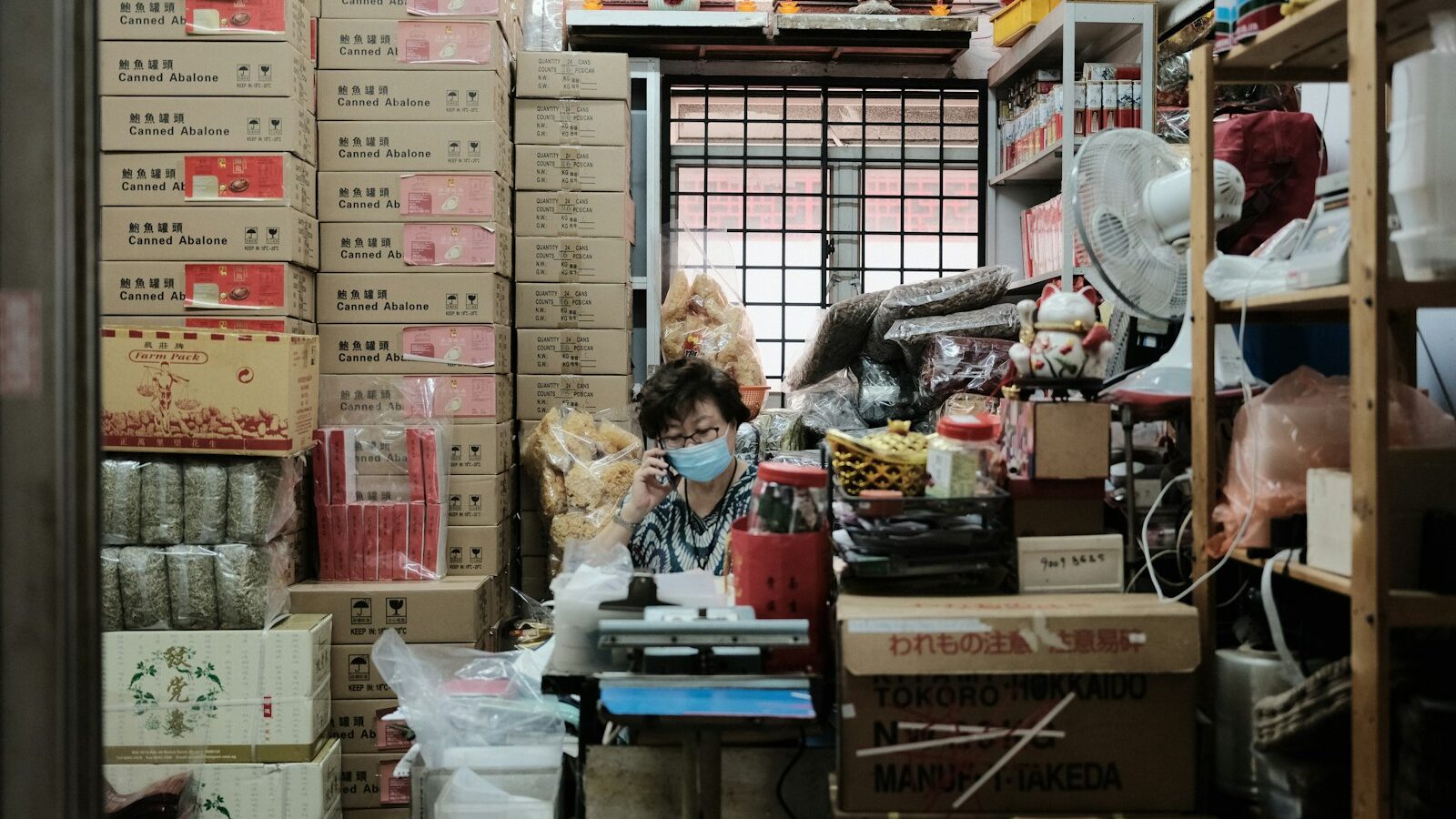
Almost every HDB estate has one: the compact, densely stocked hardware shop tucked into a row of shops or a wet market block. These are a beginner’s best friend for small, urgent jobs.
What they do well:
- Loose and small quantities. Need three screws, one wall plug or a single hinge? A traditional hardware shop will often sell you exactly that, rather than a big pack.
- Advice. The person behind the counter has usually seen your problem a hundred times. Describe the job, show a photo, and bring the old part if you are replacing something. They can point you to the right fixing or sealant fast.
- Speed and convenience. For a quick fix on a weekend, popping downstairs beats waiting for delivery.
The trade-offs are a smaller range and stock that varies from shop to shop. It is worth getting to know the one nearest you, since a friendly hardware uncle or auntie is a genuine shortcut past a lot of beginner mistakes.
Large DIY and Home Improvement Stores
The bigger DIY chains and home improvement superstores are where you go to browse, compare and stock up. They range from warehouse-style outlets to the home sections of large department and lifestyle stores.
What they do well:
- Range and choice. You can see many brands and sizes side by side, from tools and paint to shelving, storage and cleaning gear.
- Whole-project shopping. For a painting or assembly project, you can gather everything (paint, roller, tray, filler, sandpaper, dust sheet) in one trip.
- Displays and information. Products are laid out with specifications on the packaging, so you can read the drill-bit size, coverage or weight rating before choosing.
The trade-offs are that they are usually a special trip rather than a downstairs dash, and the sheer choice can overwhelm a beginner. Go with a list, read the packet for what each item is rated to do, and ask staff if you are unsure. Buying a starter multipack of screws and plugs here is a cheap way to build your kit.
Buying DIY Tools and Materials Online
Online shopping suits planned projects, bulkier items and anything you want to compare carefully before committing.
What it does well:
- Comparison and reviews. You can weigh options, read what other buyers say, and check specifications at your own pace.
- Range and delivery. Heavier or bulkier things such as step stools, storage units and larger tools come to your door, which helps if you do not drive.
- Convenience. You can reorder consumables like sandpaper, filler or adhesive hooks without leaving home.
The trade-offs are waiting for delivery, paying postage on small orders, and not being able to feel the quality first. Listings can also be vague, so check the actual dimensions and specifications, read recent reviews, and be wary of prices that look too good to be true. For anything you must fit precisely, measure first and confirm the size in the description.
Matching the Shop to the Job
No single place is best for everything. The trick is to match where you shop to what you are doing, which saves both time and money.
| Your situation | Best place to buy | Why |
|---|---|---|
| One screw, plug or small part now | Neighbourhood hardware shop | Sells loose items and gives quick advice |
| Gathering everything for a project | Large DIY or home store | Wide range under one roof |
| Comparing tools or buying bulky items | Online stores | Reviews, choice and home delivery |
| Not sure what part you need | Hardware shop, with old part in hand | Staff can identify the match |
| Restocking consumables | Online or a DIY chain | Easy to reorder in useful quantities |
For most beginners the smart pattern is to buy your first proper tools where you can see and hold them, use the neighbourhood shop for quick top-ups and advice, and turn to online for planned or bulky purchases.
Buying Smart as a Beginner
A few habits keep your spending sensible and your kit useful:
- Buy tools once, well. For tools you will use often, such as a screwdriver set or a drill, mid-range usually outlasts the cheapest option. For a tool you may use once, borrowing or buying budget is fine.
- Read the packaging. It states sizes, weight ratings, drying times and coverage. Matching the fixing to your wall type and load matters more than brand.
- Take the old part with you. For a replacement washer, hinge or handle, the surest way to get the right size is to bring the original.
- Do not over-buy. Start with a small core kit and add tools as real jobs come up, rather than filling a toolbox with things you never touch.
- Mind the safety extras. Add safety glasses, a dust mask and gloves to your basket early; they are cheap and you will need them.
You do not need a workshop or a big budget to get going. Once you know where to buy DIY tools in Singapore and what each type of shop is best for, you can walk in with a clear list, buy only what the job needs, and get on with the satisfying part: fixing and making things yourself.
Explore more
New to tools? See the guide to maintaining and storing your power tools and sharpening and caring for hand tools, plus how to oil and maintain locks and hinges. Put your kit to work with weekend DIY projects for beginners and budget DIY home upgrades, and if you rent, try these DIY projects you can do as a renter.
Frequently Asked Questions
Should I buy my first DIY tools in a shop or online? Buy your first proper tools where you can see and hold them, such as a DIY store, then use the neighbourhood shop for quick top-ups and online stores for planned or bulky purchases. Always check current prices before buying.
Can I buy just one screw or wall plug from a hardware shop? Often yes. Traditional neighbourhood hardware shops will sell loose items and small quantities rather than a big pack. They also offer quick advice, so describe the job, show a photo or bring the old part.
Is it worth paying more for a drill or screwdriver set? For tools you will use often, a mid-range option usually outlasts the cheapest one. For a tool you may only use once, borrowing or buying a budget one is fine. Match the fixing to your wall and load rather than chasing a brand.
What should I check before ordering DIY materials online? Read the actual dimensions and specifications, check recent reviews, and be wary of prices that look too good to be true. For anything that must fit precisely, measure first. Allow for delivery time and postage on small orders.
Which safety items should a beginner buy first? Safety glasses, a dust mask and gloves, and they are cheap. Add them to your basket early, since you will need them for sanding, drilling and painting. Start with a small core kit and add tools as real jobs come up.