
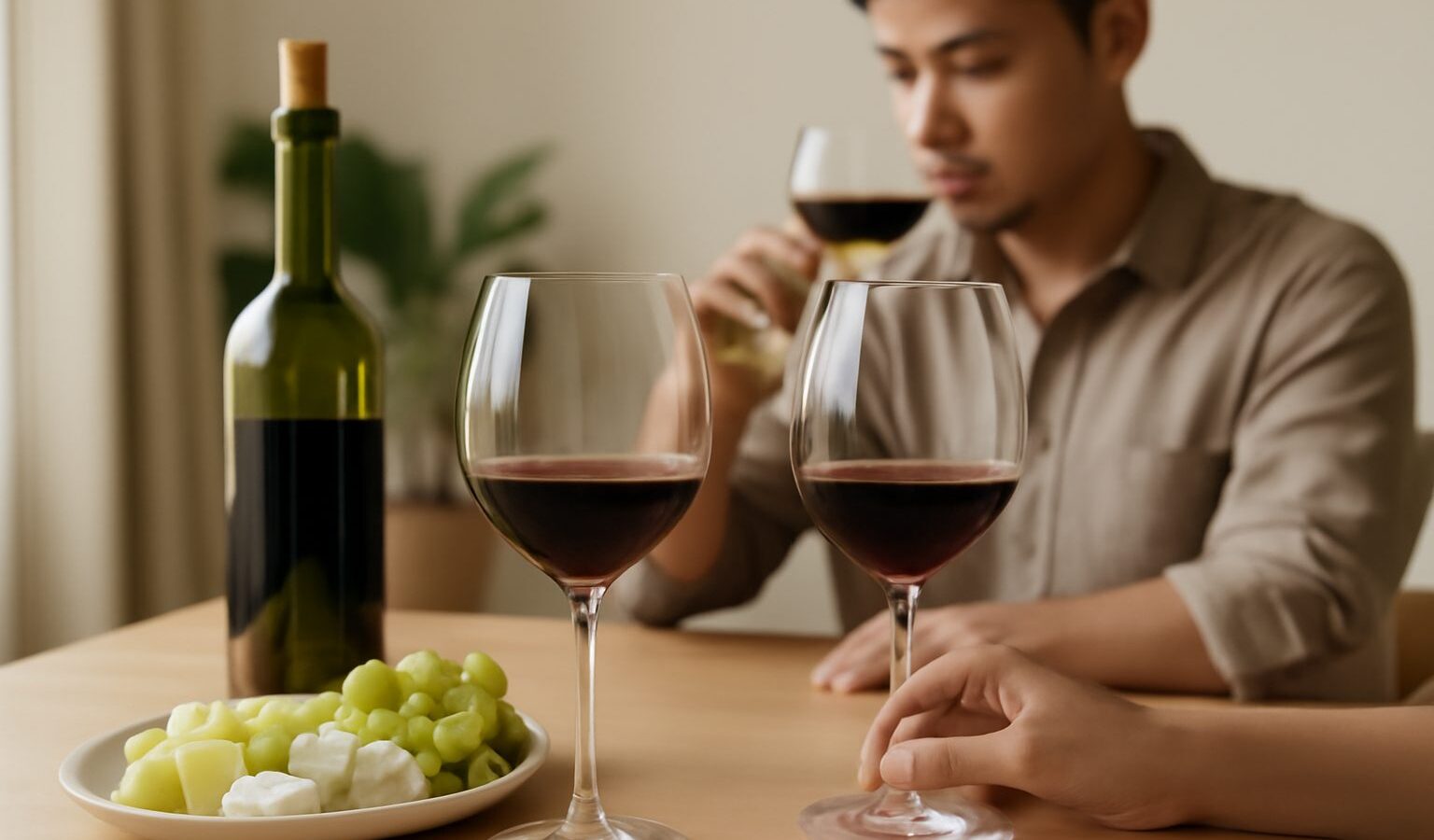
A good glass of wine tells a story about a place, a grape and a season, and learning to read that story is easier than it looks. Wine tasting experiences in Singapore have grown from stiff, members-only affairs into warm, welcoming sessions where a first-timer can feel at home within minutes. Whether you want a relaxed date, a lively outing with friends or a thoughtful gift, a guided tasting is one of the most rewarding ways to spend an evening in the city. Here is how these sessions work, what you will actually taste and learn, and how to choose one that fits you.
What to Expect at a Guided Tasting
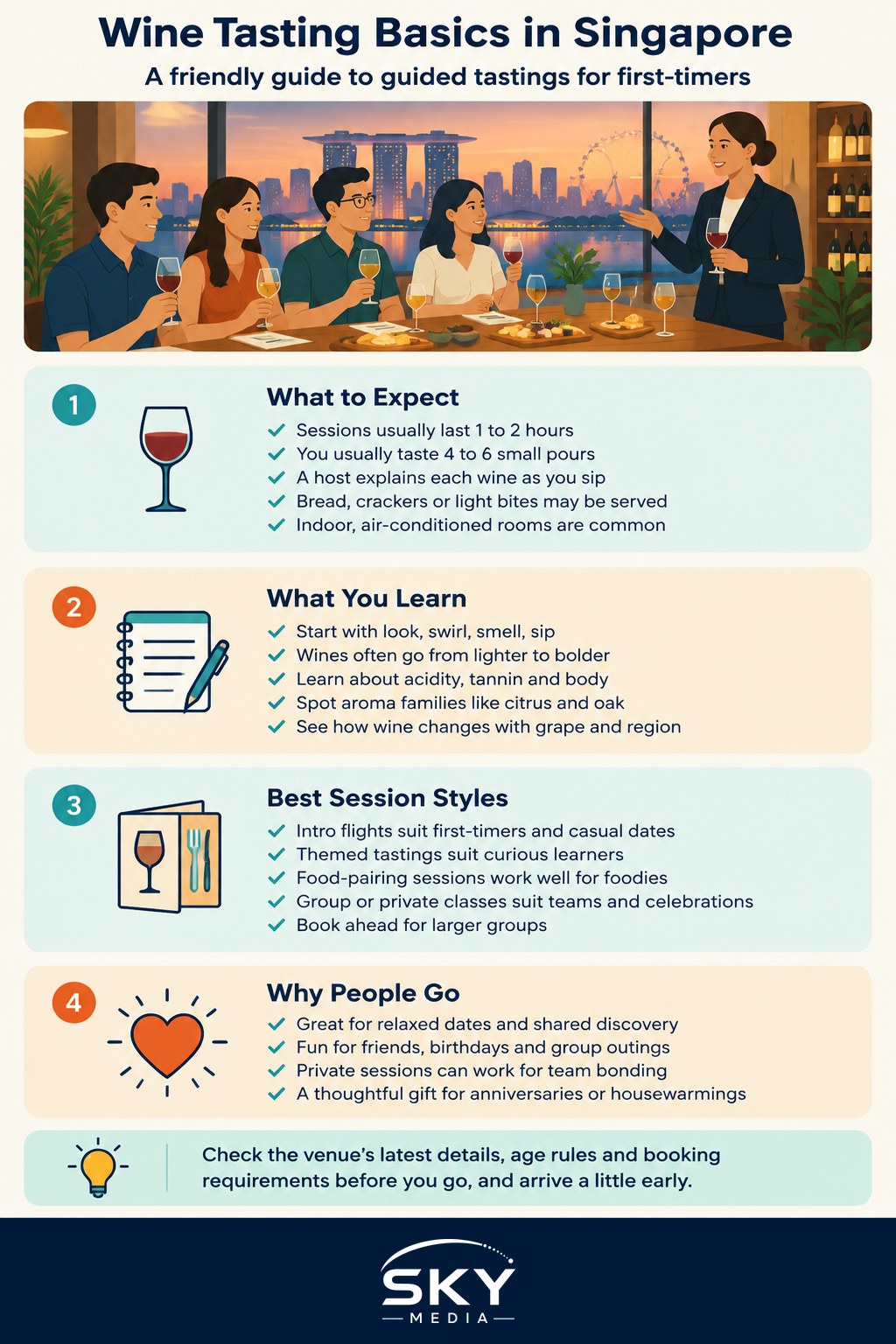
Most sessions run for around one to two hours and are led by a host, sommelier or knowledgeable pourer who walks the room through a small line-up of wines. You usually taste anywhere from four to six pours, served in small measures rather than full glasses, so you can compare styles without overdoing it. The host explains where each wine comes from, why it tastes the way it does, and what to notice as you sip.
Expect a friendly, unpretentious mood at beginner sessions. You do not need to memorise regions or vintages, and there is no wrong answer when someone asks what you smell. Bread, crackers or light bites often appear between pours to reset your palate. A spittoon is normally on hand, and nobody blinks if you use it, since tasting is about attention rather than volume. Rooms are almost always indoors and air-conditioned, which is a blessing given our heat, so this is a solid rainy-day plan too.
What You Taste and Learn
The heart of a tasting is a simple, repeatable routine: look, swirl, smell, sip. You hold the glass to the light to read the colour, swirl to release the aromas, bring your nose to the rim, then take a small mouthful and let it move across your tongue. Over a session you start to notice patterns, and the vocabulary stops feeling like showing off and starts feeling useful.
A typical beginner line-up moves from lighter to bolder so your palate builds gradually. You might taste a crisp white, a fuller white, a light red, then a richer red, sometimes finishing with something sparkling or sweet. Along the way you pick up the ideas that matter most:
- Acidity, tannin and body: why one wine feels fresh and zippy while another feels grippy or round.
- Aroma families: spotting citrus, stone fruit, berries, herbs, oak or earthy notes.
- Region and grape: how the same grape changes across cool and warm climates.
- Food pairing: why certain wines flatter certain dishes, from seafood to grilled meats to cheese.
Many hosts weave in a pairing element, matching pours to small plates so you feel the difference a good match makes. By the end you will have a clearer sense of what you personally enjoy, which is the single most useful thing to walk away with.
Session Styles: Which One Suits You
Tastings come in several formats, and picking the right one makes a real difference. This quick comparison sums up the common options you will find around the city.
| Session type | Best for | Vibe | Good to know |
|---|---|---|---|
| Intro flight | First-timers, casual dates | Relaxed, chatty | Small pours, broad overview |
| Themed tasting | Curious learners | Focused, in-depth | One region, grape or style |
| Food-pairing session | Foodies, couples | Sit-down, indulgent | Wines matched to plates |
| Group or private class | Teams, celebrations | Social, hands-on | Book ahead for larger numbers |
If you are unsure, an intro flight is the safest starting point. Themed sessions reward people who already know they love, say, sparkling wine or bold reds. Food-pairing sessions make the most memorable dates, and private group bookings work beautifully for birthdays or team bonding.
Who It Suits: Dates, Groups and Gifts
A tasting is a genuinely flexible outing. For a date, the shared discovery gives you plenty to talk about, and the measured pace keeps the evening easy rather than boozy. For friends and groups, it turns an ordinary night out into something with a bit of learning baked in, and the social format suits birthdays and hen or stag gatherings. For teams, many hosts run private sessions that double as low-key bonding, since comparing notes on aromas is a natural icebreaker.
As a gift, a tasting is hard to beat. It suits the person who has everything, works for a range of budgets, and creates an experience rather than more clutter. A voucher for two makes a thoughtful anniversary or housewarming present.
Drinking Responsibly
Alcohol is only for those aged 18 and above in Singapore, and you may be asked for ID. Tastings are built around small measures, but the pours add up, so pace yourself, drink water between wines, and eat something beforehand. Use the spittoon freely if you want to try everything while staying clear-headed, there is no shame in it, and professionals do it all day. Plan your trip home in advance and never drive after drinking. If you do not drink at all, many venues welcome you along to learn and observe, and some offer alcohol-free alternatives, so it is worth asking when you book.
How to Choose a Session and Book
Because smaller operators come and go, it is best to describe what you want and shop around rather than fixate on one name. Several bars, wine shops, hotels and dedicated studios across the city run regular tastings, from casual weeknight flights to structured weekend classes. When comparing options, consider a few things: the number of wines poured, whether food is included, the group size, and how beginner-friendly the description sounds. Central and city-fringe venues are easy to reach by MRT, so factor in a short walk from the station and an easy ride home afterwards.
Prices vary widely depending on the wines and the format, so treat cost as a rough guide only and check the latest details, dates and any age requirements directly with the venue before you commit. Booking ahead is wise, since popular sessions and weekend slots fill up fast, especially around festive periods. Arrive a little early, come with an open mind, and you will leave knowing more than you expected and, quite possibly, with a new favourite bottle in mind.
Explore more
If tasting is your thing, keep the theme going. Spirit lovers should look at whisky and spirits tasting in Singapore for a bolder, slower sipping experience. Prefer to make rather than sip? A hands-on cocktail-making class pairs perfectly with a wine night out. And for something to nibble alongside your next glass, browse our guide to cheese and charcuterie experiences.
Frequently Asked Questions
Should I avoid wearing perfume to a wine tasting? Yes, it is best to go light or skip it. Strong perfume, aftershave or scented lotion competes with the aromas in the glass, and it bothers other guests who are trying to smell the wine too. Come fresh and unscented, and your nose will pick up far more.
Is red or white easier for a beginner to enjoy? Neither is easier across the board. Many newcomers find crisp whites and light reds approachable, while heavy, tannic reds can feel grippy at first. A beginner flight usually moves from lighter to bolder, so you can find your preference as you go.
How can I remember which wines I liked after the tasting? Jot a few quick notes or snap a photo of each label, if the host allows it. Write what you smelled and whether you wanted another sip, rather than trying to sound expert. A short list of styles you enjoyed is more useful than names.
Does the shape of the wine glass really matter? It does to a degree. A wider bowl gives red wine room to breathe and release aroma, while a narrower one suits whites and sparkling wine by keeping them cooler and fresher. For a beginner, a clean glass and a gentle swirl matter more than the exact shape.
Can I buy the wines I liked after a tasting? Often you can, especially at wine shops and some bars, but it depends on the venue. Ask the host at the start whether bottles are for sale and whether there is any arrangement for taking them home, since policies differ between operators.
Further reading: Gin and Craft Beer Brewing Experiences in Singapore