
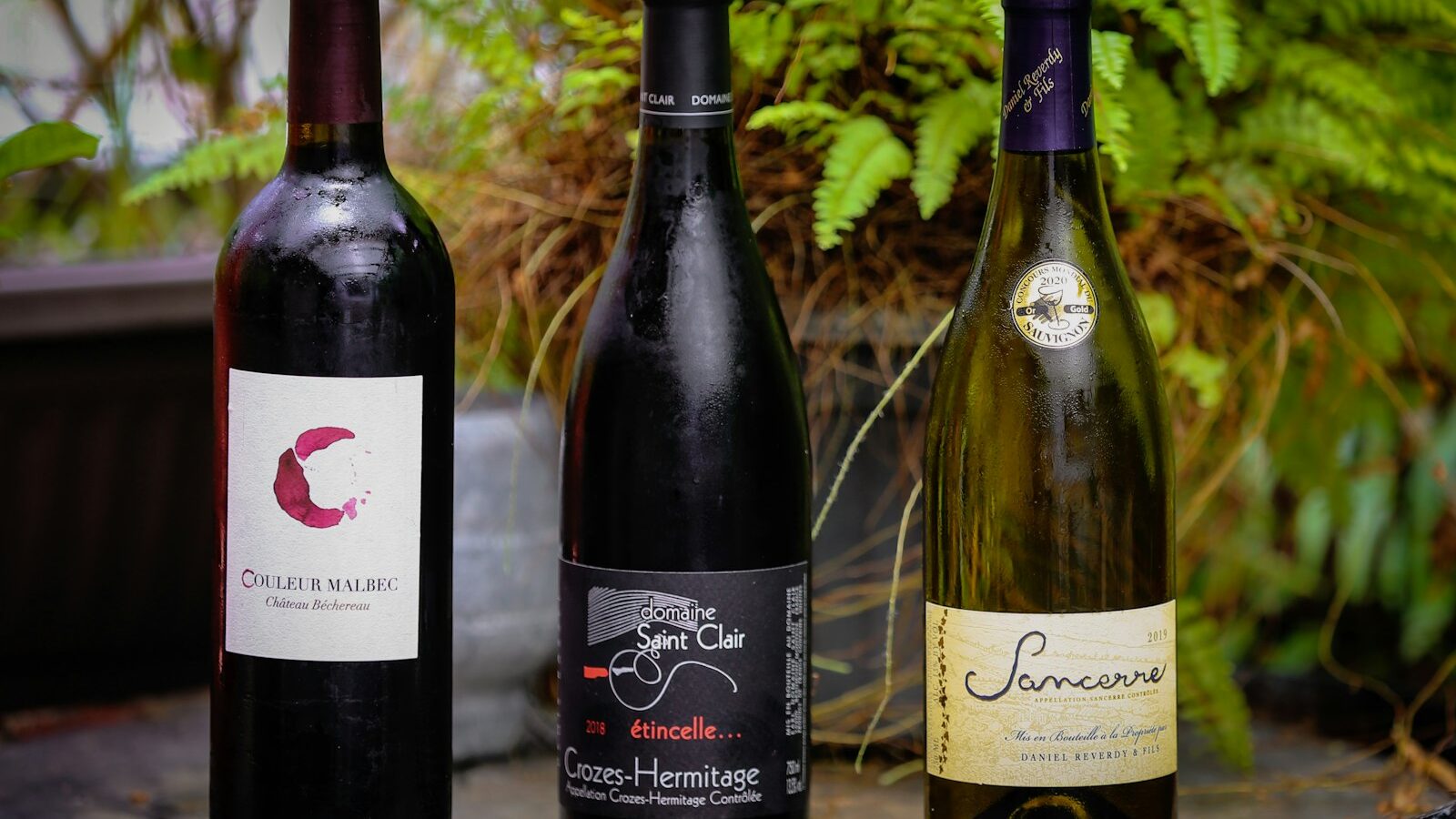
Wine can feel like a world with its own secret language, but the basics are approachable and the enjoyment is open to everyone. Singapore has a strong wine culture, with bars, shops and restaurants offering bottles from around the world. This beginner’s guide demystifies wine so you can drink and choose with confidence.
The main types of wine
At the broadest level, wine comes in a few main styles worth knowing.
- Red wine, made from dark grapes, ranging from light and fruity to full and robust.
- White wine, made from green or light grapes, from crisp and zesty to rich and buttery.
- Rosé, pink in colour, typically refreshing and easy-drinking.
- Sparkling wine, with bubbles, celebratory and often crisp.
- Dessert and fortified wines, sweeter or stronger, enjoyed in smaller measures.
Within each are many grape varieties, each with its own character, but you do not need to memorise them to start enjoying wine.
Reading a wine label
Labels can seem cryptic, but a few elements tell you most of what you need.
| Element | What it tells you |
|---|---|
| Grape or region | The variety or place, hinting at style |
| Vintage | The year the grapes were harvested |
| Producer | Who made it |
| Alcohol content | Roughly how full-bodied it may be |
Some countries label by grape variety, such as a Chardonnay or Cabernet Sauvignon, while others label by region, where the region implies the grapes. Either way, over time you will learn which grapes and regions you enjoy.
Tasting basics
Wine tasting is simply paying a little attention, and it deepens your enjoyment.
- Look at the colour, which hints at age and style.
- Smell the aromas, since much of flavour is aroma, from fruit to floral to earthy.
- Sip and notice the balance of sweetness, acidity, tannin in reds, and body.
- Consider the finish, how the flavour lingers.
There are no wrong answers, only what you enjoy. Describing a wine as fruity, crisp, smooth or bold is perfectly valid and helps you remember your preferences.
Food pairing made simple
Pairing wine with food can be as complex or as simple as you like, and a few rules of thumb go a long way. Lighter wines suit lighter dishes, while fuller wines stand up to richer food. Crisp whites and sparkling wines pair beautifully with seafood and fried food, reds complement red meats and hearty dishes, and off-dry wines can tame spicy food, which is handy given the local love of chilli. The best pairing, ultimately, is the wine you enjoy with the food you are eating, so do not be too rigid about it.
Buying and storing in a tropical climate
Singapore’s heat is worth a special mention, because wine is sensitive to temperature. When buying, reputable shops and restaurants store their wine properly, which matters for quality. At home, keep wine away from heat and direct sunlight, ideally somewhere cool and stable, and those who get serious may invest in a wine fridge to protect their bottles from the tropical warmth. Serve whites and sparkling wines chilled, and reds slightly cooler than the ambient room temperature here, since a warm red can taste flat and overly alcoholic.
Building confidence
- Start with what you like, whether that is fruity reds or crisp whites.
- Try wines by the glass at bars and restaurants to explore without committing to bottles.
- Ask for recommendations at shops and restaurants, describing your taste and budget.
- Attend a tasting if you want to learn more in a relaxed setting.
- Keep notes on wines you enjoy, building a picture of your preferences.
Confidence comes with exposure, and there is no need to spend a fortune to drink well.
Where to learn and explore
One of the pleasures of Singapore’s wine culture is how many ways there are to learn and explore without pressure. Wine bars let you try a range by the glass, often with knowledgeable staff happy to guide you and food designed to pair well. Some shops and venues host tastings, a relaxed and social way to compare several wines and understand your preferences under gentle guidance. Restaurants with thoughtful wine lists can pair bottles or glasses to your meal, teaching you how food and wine interact. Approaching wine as an ongoing, low-pressure exploration, rather than a subject to master all at once, keeps it enjoyable, and over time you build both knowledge and confidence simply by tasting attentively and asking questions.
The takeaway
Wine is far more approachable than its reputation suggests. Learn the main types, get comfortable reading a label, and taste with a little attention to what you enjoy rather than worrying about expertise. Keep food pairing simple, mind the tropical heat when buying and storing, and lean on knowledgeable staff to guide your choices. Explore by the glass, keep notes on what you like, and let your palate develop at its own pace. With Singapore’s rich wine culture at your fingertips, there is a whole world of bottles to discover, and the only real rule is to drink what you enjoy.
Common beginner mistakes to avoid
Most early wine missteps are small and easily fixed once you know to watch for them. None of them are cause for embarrassment, and correcting them quickly lifts how much you get from each bottle.
- Serving reds too warm, which is very easy to do in a tropical climate. A red left out in a Singapore living room often ends up warmer than ideal, tasting flabby and alcoholic. A short spell in the fridge before serving usually helps.
- Over-chilling whites, so cold that the aromas and flavours go mute. Very cold whites can taste of almost nothing, so let a fridge-cold bottle sit for a few minutes before pouring.
- Overfilling the glass, which leaves no room to swirl and release aroma. Pouring to roughly a third of the glass is plenty and lets the wine breathe.
- Assuming pricier means better for you. Price reflects many things, but your own palate is the only judge that matters, and plenty of modest bottles drink beautifully.
- Judging a wine from the first sip. Many wines open up and change over several minutes, so give it a little time before deciding.
Treat these as gentle habits rather than rules, and they will quietly improve almost every bottle you open.
Ordering wine when you are dining out
Singapore’s dining scene makes it easy to explore wine without buying whole bottles, and a little know-how takes the pressure off ordering. If a list looks daunting, simply tell the staff or sommelier what you tend to enjoy and roughly what you would like to spend, and let them suggest something. There is no obligation to choose the most expensive option, and good venues will happily steer you towards value.
Ordering by the glass is often the smartest move for beginners, letting you try different styles across a meal without committing to a full bottle. When a bottle arrives, you are usually offered a small taste first, which is a check for faults such as a musty, corked smell rather than an invitation to reject a wine you simply do not fancy. Many restaurants here also allow you to bring your own bottle for a corkage fee, which can be a friendly way to share something special, though policies and fees vary widely, so it is worth checking with the specific venue beforehand. Whatever you order, remember that drink-drive limits apply, so plan your transport home and consider public transport or a ride if you are enjoying more than a glass.
Explore more: Cocktails in Singapore: a beginner’s guide · Whisky appreciation: a beginner’s guide · Best champagne brunch in Singapore