
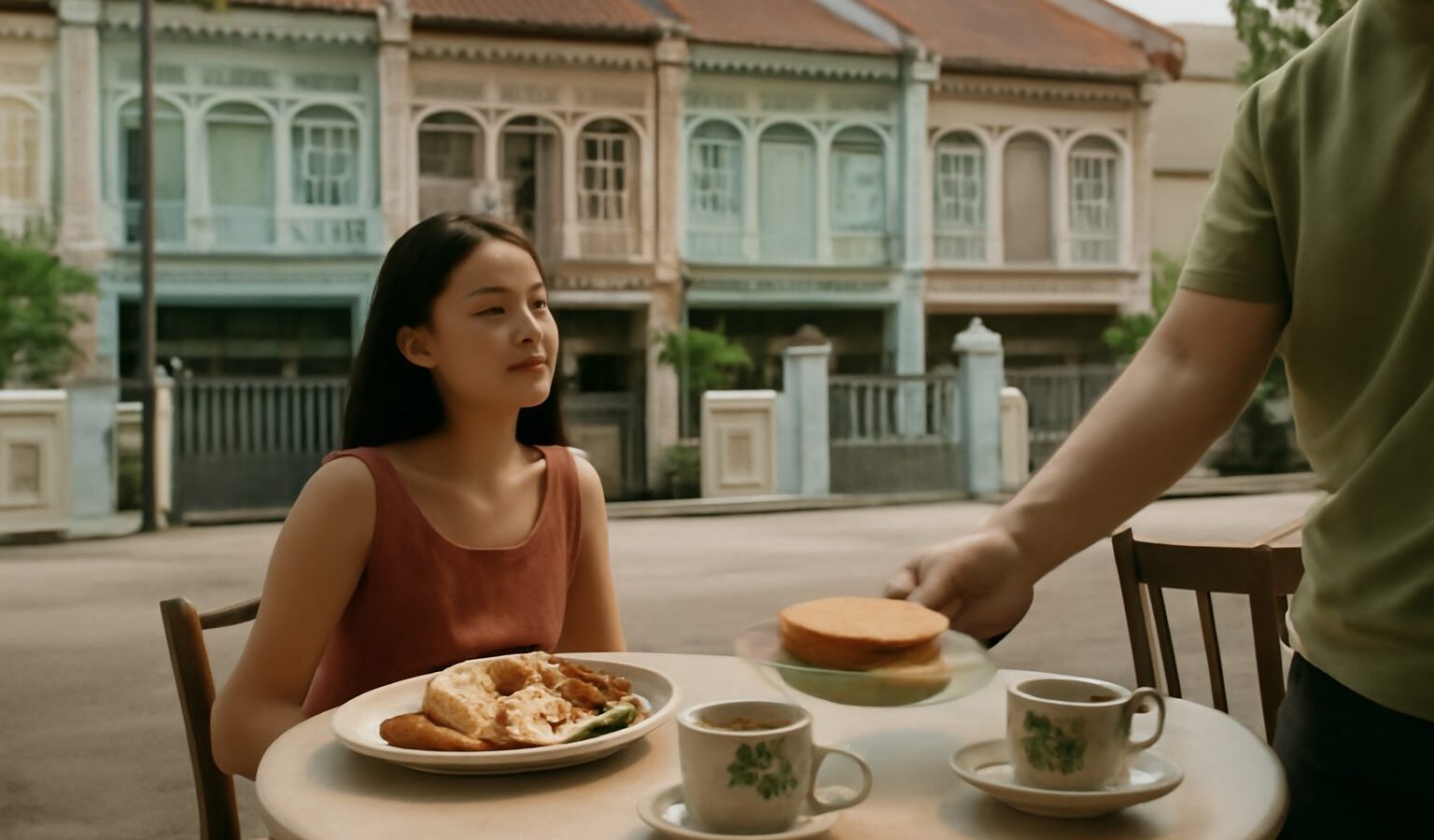
Few corners of Singapore reward slow walking like this one. Spending a day in Katong and its neighbour Joo Chiat means trading the glass towers of the city for pastel shophouses, five-foot ways and the smell of gently simmering laksa. This is old East Coast Singapore, a district shaped by Peranakan families, early seaside living and generations of small traders. It has changed with the times, yet it still feels distinct from anywhere else on the island. Whether you are a resident rediscovering your own backyard or a visitor after something more textured than the usual sights, a day here is easy to fill and hard to forget.
Why This Corner of Singapore Feels Different
Katong and Joo Chiat sit side by side in the east, close enough that most people treat them as one rambling neighbourhood. Long before land reclamation pushed the shoreline out, this was where wealthier families kept seaside villas and where the Peranakan community, the Straits-born descendants of Chinese and Malay heritage, put down deep roots. That mix gave the area its own cooking, its own crafts and its own unmistakable look.
The result is a place that wears its history openly. You see it in the ornate tiles and shuttered windows, in family businesses that have run for decades, and in a pace that stays unhurried even on a busy weekend. It is residential rather than touristy, so the character feels lived-in rather than staged. That is exactly why it makes such a satisfying day out.
The Shophouses and Streets to Wander
The single best thing to do here is simply walk. The neighbourhood is famous for its shophouses, and the most photographed stretch is a run of two-storey terraces painted in soft pinks, greens, blues and yellows, each front decorated with hand-painted ceramic tiles, carved timber and ornamental plasterwork. Look up as you go, because the detail lives above eye level: motifs of flowers, birds and auspicious symbols repeat with small variations from house to house.
A few pointers for a good stroll:
- Start early or come late in the afternoon, when the light is kinder and the tiles glow.
- Walk the side lanes, not just the main roads. The quieter residential streets hold some of the prettiest, least crowded facades.
- Look for the old places of worship and community buildings tucked among the terraces, which hint at how mixed this neighbourhood has always been.
- Be considerate. Many of these shophouses are private homes, so admire from the street and keep noise down.
You can easily lose an hour or two here without a fixed route. The pleasure is in wandering and letting one interesting doorway lead you to the next.
Where the Food Takes Over
If the architecture is the reason people come, the food is the reason they stay. This district is one of the great eating grounds of Singapore, and the star dish is the local laksa, a bowl of rice noodles in a rich, coconut-based gravy fragrant with dried shrimp and laksa leaf. The neighbourhood style is often served cut short so you can eat it with a spoon alone, no chopsticks needed. Expect small, no-frills spots where the queue moves fast and the regulars know exactly what they want.
Beyond laksa, the area rewards a curious appetite. You will find Peranakan kitchens serving dishes like ayam buah keluak and other slow-cooked Nyonya classics, traditional bakeries turning out kaya toast and kueh, and a newer wave of cafes serving coffee and brunch inside restored shophouses. Old and new sit comfortably together on the same street.
A loose plan for eating your way through the day:
- Begin with a proper local breakfast of toast, soft-boiled eggs and kopi.
- Snack mid-morning on colourful kueh, the bite-sized Nyonya cakes made with coconut and pandan.
- Make laksa your main event around lunch.
- Slow down in the afternoon with coffee or a cold drink in a shophouse cafe.
- Round off with something sweet before you leave.
Prices, menus and opening days at individual eateries change often, and some of the most loved stalls keep their own quiet hours, so check current details before you build your day around any one place.
Shops, Crafts and Small Finds
Between meals, the browsing is half the fun. This is a neighbourhood of independent shops rather than malls, and the character shows. You can find traditional stores selling beaded slippers, batik and Peranakan-style ceramics, alongside small design boutiques, homeware shops and the occasional bookseller or record store. Provision shops and old-fashioned bakeries share the pavement with newer lifestyle stores, and part of the charm is that you never quite know what the next doorway holds.
It is a good area for gifts with a sense of place: a tin of local biscuits, a length of printed fabric, a piece of handmade craft. Take your time, chat with the shopkeepers, and treat browsing as its own activity rather than a rush between sights.
Planning Your Day: A Simple Comparison
Different visitors want different things from this neighbourhood. The table below sketches a few ways to shape your time depending on who you are travelling with and what you are after.
| Style of day | Best for | Focus | Rough pace |
|---|---|---|---|
| Heritage stroll | First-timers and photographers | Shophouses, tiles, quiet lanes | Relaxed, half day |
| Food crawl | Hungry eaters and groups | Laksa, kueh, Peranakan dishes | Steady, plan around meals |
| Cafe and browse | Couples and slow mornings | Coffee, boutiques, homeware | Very relaxed, no fixed route |
| Full day out | Curious all-rounders | A bit of everything | Easy, with long breaks |
Mix and match freely. Because everything sits within walking distance, you can switch plans on a whim without losing much time.
Practical Tips for Getting the Most Out of It
A few small things make the day smoother. Wear comfortable shoes, because you will walk more than you expect on flat pavements and five-foot ways. Bring a hat, sunscreen and water, since shade is patchy and the afternoon can be warm and humid. Carry a little cash for older stalls and shops that may not take cards, even though many now do.
Weekends bring more life and longer queues, while weekday mornings are quieter and better for photos. If you can, avoid the fiercest midday heat by ducking into a cafe or an air-conditioned shop for a break. And leave room in your plans to simply sit and watch the street go by, because that unhurried people-watching is really the whole point of a day here.
Explore More
If this whets your appetite for old Singapore, keep going with our heritage walking trails guide and pair it with a stroll through the equally characterful lanes in a day in Tiong Bahru. Looking for a relaxed outing with someone special? Our date ideas in Singapore round-up has plenty more slow, tasty afternoons like this one.