
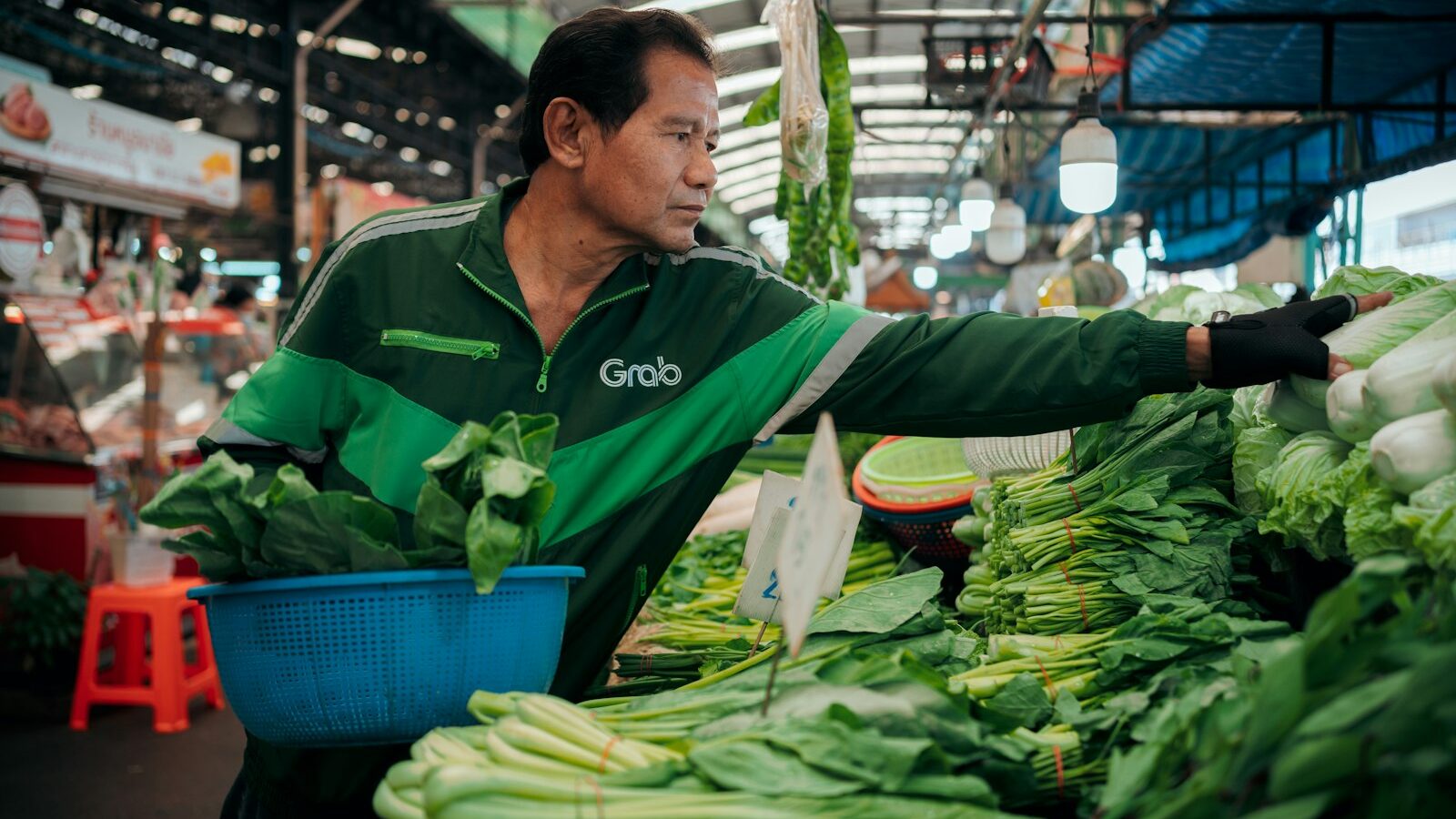
Walk down any wet market aisle or supermarket chiller and you will meet a wall of green: bundles of leafy stalks, tied stems and crisp shoots that look similar but behave very differently in the wok. Learning to tell them apart is one of the quiet joys of cooking here, and it is why a good understanding of Asian greens Singapore cooks rely on will improve almost everything you stir fry, blanch or drop into soup. This guide walks through the most common leafy vegetables you will find locally, how to pick the freshest bunch, how to keep them crisp at home, and the dishes each one suits best.
Knowing your leafy greens
Most of the greens sold here belong to the brassica or amaranth families, and each has its own texture and cooking time. Getting these right is the difference between a bright, snappy plate and a soggy, overcooked one.
Kai lan (Chinese broccoli) has thick, sturdy stems and broad blue green leaves. The stalks are the prize, sweet and slightly bitter, and they need a minute or two longer than the leaves. Slice the stems on the diagonal and add them to the wok first, then the leaves. Kai lan is superb stir fried with garlic and a splash of oyster sauce, or blanched and dressed simply.
Chye sim (choy sum) is the everyday workhorse: slender stems, tender leaves and small yellow flowers. It cooks fast, wilts beautifully and carries garlic and light soy without fuss. This is the green most often served blanched alongside roast meats.
Xiao bai cai (small bok choy or milk cabbage) has crisp white stems and dark leaves, mild and slightly sweet. Nai bai is its squatter, spoon shaped cousin with a creamier, more delicate flavour. Both are excellent in soups, braises and quick stir fries, and both cook in minutes.
Kangkong (water spinach or water convolvulus) has hollow stems and arrow shaped leaves. It is the star of sambal kangkong and the classic belacan version, where the stems stay crunchy while the leaves collapse. Cook it hot and fast so it keeps its bite.
Tang oh (chrysanthemum greens or garland chrysanthemum) has feathery, aromatic leaves with a distinct herbal note. It is a steamboat favourite, cooked for mere seconds, and it also works stir fried very briefly. Overcook it and the flavour turns bitter, so treat it gently.
Watercress (sai yeong choy) has peppery, rounded leaves and is used more in soups than stir fries locally. It makes a wonderful clear pork or chicken soup, gently bitter and cleansing. It is also good blanched and dressed.
Other greens worth knowing include sweet potato leaves (mild and slightly gelatinous, lovely with sambal), Ceylon spinach or saan choy (soft and a touch mucilaginous), Chinese spinach or amaranth (yin choy) which turns a striking pink in the wok, and wong nga bak (napa cabbage) for soups, braises and steamboat.
Choosing and storing greens
Freshness is easy to read once you know the cues. Look for firm, upright bunches with no yellowing or slimy patches where the stems have been tied. Leaves should be perky rather than limp, and cut ends should look moist, not dried and brown. For flowering greens like chye sim, a few open flowers are fine, but a bunch that is mostly gone to flower will be tougher and more fibrous.
Give the stems a gentle squeeze. They should feel crisp and snap cleanly. Slimy or waterlogged stems mean the bunch has been sitting too long. If you are buying at a wet market, early morning usually offers the best pick and the fastest turnover.
At home, do not wash greens until you are ready to cook them, as surface moisture speeds up rot. Wrap the bunch loosely in a paper towel or newspaper, slip it into a perforated or loosely closed bag, and store it in the vegetable drawer of your fridge. Most leafy greens keep for three to five days this way, though softer ones like tang oh and sweet potato leaves are best used within a day or two. Sturdier greens such as kai lan and napa cabbage last longest.
Before cooking, wash greens thoroughly in a few changes of water, as grit hides at the base of the stems and in the crevices of cabbages. A quick soak followed by a rinse usually does the job. Shake off excess water so it does not steam the vegetables in the wok.
Cooking them well
The golden rule is to match the cooking time to the vegetable and to keep the heat high. Stems go in before leaves. Blanching in salted water with a little oil keeps colours bright, after which a simple dressing of garlic, light soy and a few drops of sesame oil is all most greens need.
For stir fries, get the wok properly hot, add aromatics such as garlic or ginger, then the vegetables, and toss constantly. A splash of water or stock creates steam that cooks the greens through without stewing them. Season at the end so salt does not draw out too much water early on.
Here is a quick reference to the most common greens, how they taste and where they shine.
| Green | Texture and flavour | Best uses |
|---|---|---|
| Kai lan | Thick sweet stems, mild bitterness | Garlic and oyster sauce stir fry, blanched |
| Chye sim | Tender, fast cooking, mild | Blanched with roast meats, quick stir fry |
| Xiao bai cai | Crisp stems, sweet leaves | Soups, braises, stir fries |
| Nai bai | Creamy, delicate, spoon shaped | Braises, garlic stir fry |
| Kangkong | Crunchy hollow stems | Sambal or belacan stir fry |
| Tang oh | Feathery, aromatic, herbal | Steamboat, very quick stir fry |
| Watercress | Peppery, slightly bitter | Clear soups, blanched |
| Napa cabbage | Sweet, soft when cooked | Soups, braises, steamboat |
The beauty of local greens is how forgiving and quick they are once you know their quirks. Buy a fresh bunch, cook it hot and fast, and season with a light hand. A single plate of well cooked greens can lift an entire meal, and with a little practice you will reach for a different one each night without ever repeating yourself.
Explore more
Local Pantry Ingredients Guide
A Guide to Southeast Asian Spices
How to Shop at a Wet Market
Condiments and Sauces