
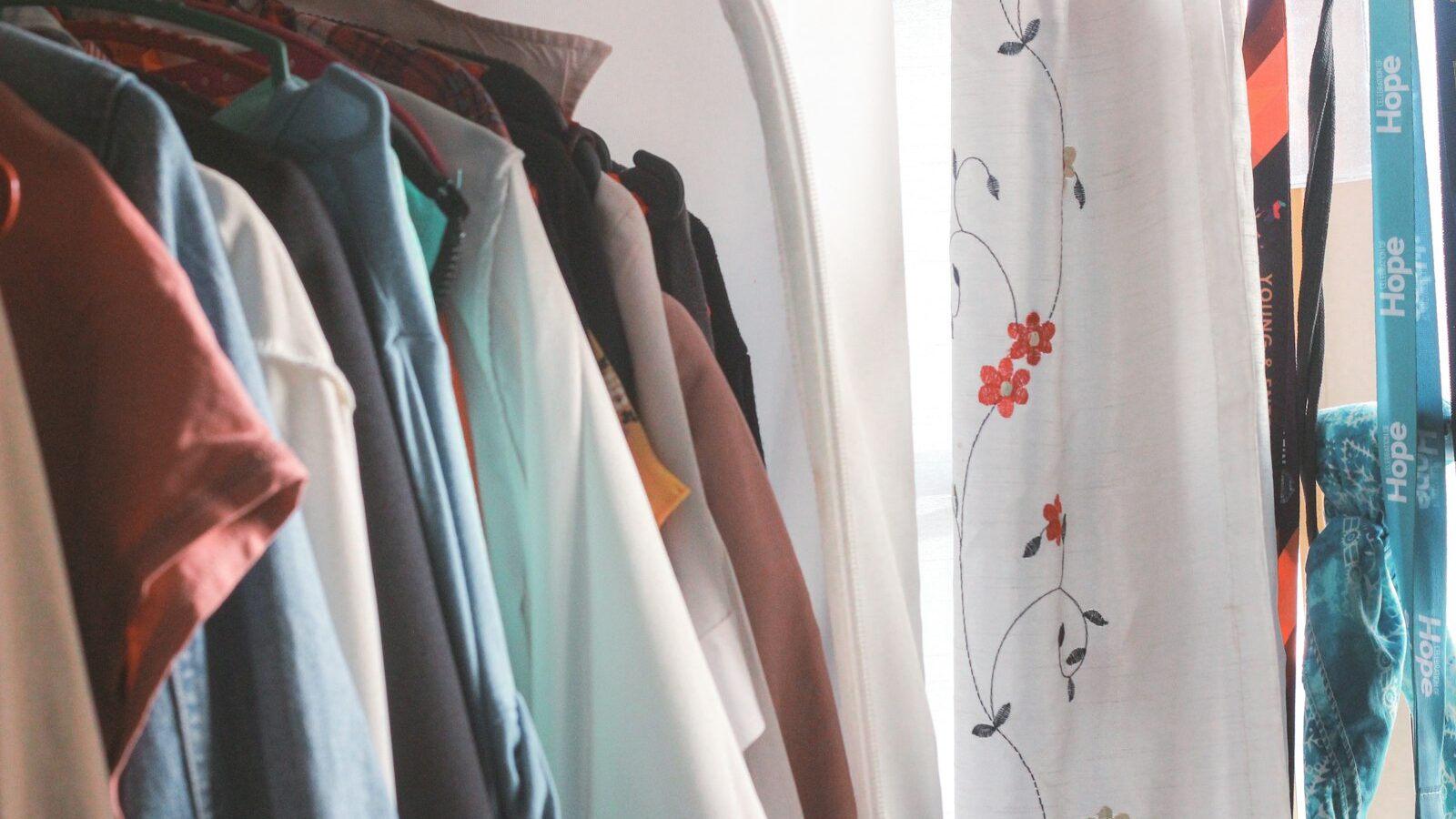
Two shirts can look identical on the hanger and feel like different garments the moment you wear them in the sun. The difference is almost always the fabric. This clothing fabrics guide walks you through the materials your clothes are made from, how each one behaves in Singapore’s heat and humidity, and how to read a label so you buy pieces that stay comfortable, breathe well and last. Once you know what a fibre does, you shop with your fingers and your eyes, not just the price tag.
Why Fabric Matters More Than the Label
Style gets most of the attention, but fabric decides whether an outfit is a pleasure or a punishment. In our climate, the same design in linen versus thick polyester is the gap between feeling cool on a walk to the MRT and feeling like you are wearing a plastic bag. Fabric also governs how a garment drapes, how it wrinkles, how it handles sweat and how many washes it survives.
Learning a few basics pays off every time you shop. You start to check the composition on the inner label as instinctively as you check the size, and you avoid the common trap of a beautiful piece that is miserable to wear by 10am. Good fabric is quietly why some inexpensive clothes feel lovely and some pricey ones do not.
Natural Fibres for the Tropics
Natural fibres come from plants or animals, and several are ideal for our weather because they breathe and move moisture away from the skin.
- Cotton is the everyday hero: soft, breathable, easy to wash and gentle on skin. It creases and can feel damp once soaked with sweat, but for tees, shirts and casual wear it is hard to beat.
- Linen is the coolest option for real heat. It is airy, quick to dry and gets better with age. It wrinkles enthusiastically, which many people simply embrace as part of its relaxed look.
- Wool sounds wrong for the tropics, yet fine merino is breathable and good in fierce office air-conditioning. Save heavier wool for travel to cooler places.
- Silk is light and elegant for occasions, though it shows sweat marks and needs careful washing, so treat it as a considered choice rather than a daily one.
If you want maximum comfort outdoors, reach for cotton and linen first. They are widely available everywhere from department stores to neighbourhood shops and thrift racks.
Synthetic and Blended Materials
Synthetic fibres are made from processed materials, and they are not the enemy. Used well, they add durability, stretch and quick-drying performance. Used badly, they trap heat and hold odour.
- Polyester is strong, cheap and wrinkle-resistant, which is why it is everywhere. On its own it can feel warm and clingy, so look for lightweight or moisture-wicking versions for active wear.
- Nylon is tough and quick-drying, common in activewear, swimwear and outer layers.
- Rayon and viscose are made from plant pulp and feel soft and drapey, a budget-friendly stand-in for silk, though they crease and can shrink if washed carelessly.
- Elastane, often called spandex, appears in small amounts to add the stretch that keeps jeans and fitted tops comfortable.
Blends are where many clothes live, mixing the best of both worlds. A cotton-polyester shirt wrinkles less than pure cotton, while a touch of elastane in cotton trousers adds welcome give. Read the percentages: a high cotton or linen content usually means better breathability for our heat.
Comparing Common Fabrics at a Glance
Use this table as a quick reference the next time you are deciding between two pieces. Care advice is general, so always follow the specific garment’s label.
| Fabric | Breathability | Wrinkles | Typical care | Best for |
|---|---|---|---|---|
| Cotton | High | Moderate | Machine wash, warm iron | Everyday tees, shirts, casual wear |
| Linen | Very high | High | Gentle wash, iron damp | Hot outdoor days, relaxed looks |
| Merino wool | Medium to high | Low | Cool wash or hand wash | Office air-conditioning, travel |
| Polyester | Low to medium | Very low | Cool machine wash | Activewear, low-iron staples |
| Rayon or viscose | Medium | High | Gentle or hand wash | Drapey dresses, blouses on a budget |
Reading Labels and Shopping Smart
The small tag inside the seam tells you almost everything. Composition reveals how a garment will feel and behave, and the care symbols tell you how much effort it will demand. If a top is dry-clean only or hand-wash silk, be honest about whether you will actually do that, because a high-maintenance piece often ends up unworn.
A few habits make you a sharper shopper:
- Check the composition before the price, and favour higher natural-fibre content for hot-weather clothing.
- Do the touch test in the shop: scrunch the fabric in your fist, then see how quickly it recovers and whether it feels breathable.
- Hold it to the light for very thin fabrics, since some cheap materials are more sheer than they appear on the rack.
- Weigh care against your routine, and lean towards machine-washable pieces for daily wear.
- Remember that quality is not only about price, and thrift shops, online marketplaces and sales can hide excellent fabrics if you know what to feel for.
Master these basics and every shopping trip gets easier. You stop guessing, buy fewer regrettable pieces, and slowly fill your wardrobe with clothes that feel as good as they look in Singapore’s demanding weather.
Explore More
Once you understand fabrics, treat them well: how to care for your clothes and storing clothes in humid Singapore will help your natural fibres last far longer. If you are still shaping your collection, building a capsule wardrobe in Singapore shows how to choose versatile, well-made pieces worth caring for.