
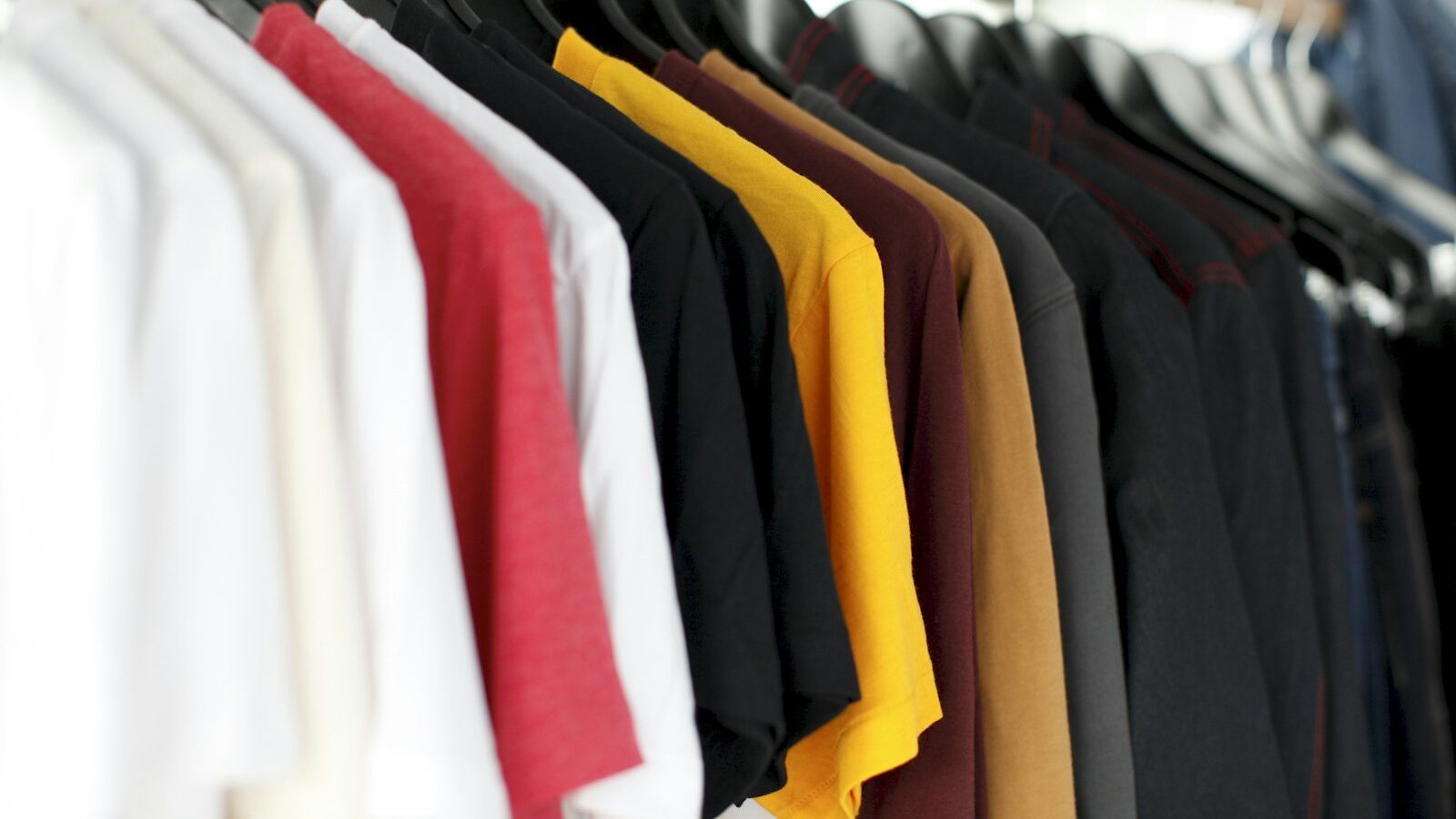
A higher price tag does not guarantee a well-made garment, and a modest one does not always mean poor quality. Learning how to spot quality clothing lets you judge a piece on its own merits, so you buy things that keep their shape, survive many washes and still look good in a couple of years. The signs are surprisingly easy to read once you know where to look, and most of them you can check in a few seconds with your hands and eyes. This guide walks through fabric, seams, construction and fit, whether you are shopping in a mall, at a thrift rail or online.

Start With the Fabric
Fabric is the foundation of a garment, so it is the first thing to assess. Pick the piece up and feel its weight. Quality cloth usually has a certain substance and does not feel flimsy or papery, though weight should suit the garment, a summer shirt is meant to be light. Hold it up to the light: if you can see straight through a fabric that is not designed to be sheer, it will likely wear thin and pill quickly.
Check the fibre content on the label, because it tells you a lot about comfort and longevity. In Singapore’s heat, breathable natural fibres such as cotton, linen and wool feel better against the skin than fully synthetic weaves, though a small amount of elastane or polyester can add useful stretch and shape recovery. Neither natural nor synthetic is automatically better, what matters is that the fabric suits how you will wear and wash the piece.
Give the fabric a gentle scrunch in your fist and let go. Good cloth springs back with few creases, while poor cloth stays crumpled, a hint of how it will look after an hour of wear. Rub the surface lightly to check for early pilling, and on knits, look closely at how tight and even the stitches are.
Read the Seams and Stitching
Seams are where quality quietly shows itself. Turn the garment inside out, which most shoppers never do, and look at how it is held together. Neat, straight stitching with small, even stitches signals care, while loose, wandering or skipped stitches point to a rushed make. More stitches per inch generally means a stronger, more durable seam.
Look at how the raw edges are finished. Well-made pieces enclose or overlock their edges so they do not fray, and better garments may use a French seam or a bound edge. Check that patterns and stripes line up across seams, at the shoulders, side seams and pockets, because matching them takes more fabric and more skill, and mismatched lines are a clear sign of corner-cutting. Give a seam a gentle tug: it should hold firm with no gaps opening between the stitches.
Check the Construction Details
The small details reveal how much care went into a garment, and they are often where cheaper pieces fall down. Spend a moment on the fastenings and finishing before you decide.
- Buttons should be stitched on securely, ideally with a shank or a thread wrap so they sit properly, and a good piece often includes a spare button.
- Buttonholes should be tightly stitched and cleanly cut, with no loose threads or fraying at the edges.
- Zips should run smoothly without catching, sit flat rather than rippling, and be covered by a placket on tailored pieces.
- Hems should be even and generous, and a deeper hem allows for future alterations, which is a mark of a considered garment.
- Linings, where present, should move with the outer fabric and not pull, pucker or peek out at the edges.
The table below sums up the green lights and red flags to scan for quickly.
| Feature | Signs of quality | Red flags |
|---|---|---|
| Fabric | Substantial feel, springs back, opaque | Thin, papery, stays creased, pills |
| Seams | Straight, even, finished edges | Loose threads, fraying, gaps |
| Patterns | Stripes and prints line up at seams | Mismatched at seams and pockets |
| Fastenings | Secure buttons, smooth zips, spare button | Wobbly buttons, snagging zips |
| Hems | Even, deep, room to alter | Shallow, uneven, glued rather than sewn |
Run through these in order and you can size up almost any garment in under a minute.
Fit and the Final Once-Over
A garment can be beautifully made and still be wrong if it does not fit you, so try it on and move in it. Raise your arms, sit down and reach forward. Quality clothing allows for movement without straining at the seams or gaping at the buttons, and it returns to shape rather than staying stretched. Check that shoulder seams sit where your shoulder ends and that the length works for your body.
Remember that fit is personal, not a rule about what your body should look like. The goal is a piece that fits your actual measurements comfortably and can be adjusted if needed. A deep hem or a little extra seam allowance means a good tailor can fine-tune the fit later, which extends the life and usefulness of the piece.
Judging Quality Secondhand and Online
The same checks apply when you shop thrift rails, a marketplace like Carousell or a department store’s online store, with a couple of adjustments. Buying secondhand actually lets you see how a garment has aged, which is honest information you never get with something new. Inspect for thinning fabric, pilling, stretched cuffs and any repairs, and check zips and seams still work, but reward a well-made older piece that has held up, as it will likely keep going.
Online, you cannot touch the cloth, so lean on the details the listing gives you. Read the fibre content and garment weight if stated, zoom in on photos of the seams and stitching, and check buyer reviews for notes on how the item washed and wore. When the description is vague and the images hide the construction, treat that as a small warning in itself.
Explore more
Spotting quality is only half the picture, so pair it with understanding cost per wear to judge whether a well-made piece is worth its price over time. To resist buying poorly made items on impulse, see how to avoid fast fashion traps, and once you own pieces that last, learn how to elevate basic outfits so your quality staples work harder.
Further reading: Buying Clothes From Shein and Temu in Singapore: Sizing, Quality and Returns · How to Spot Fake Designer Goods Before You Pay