
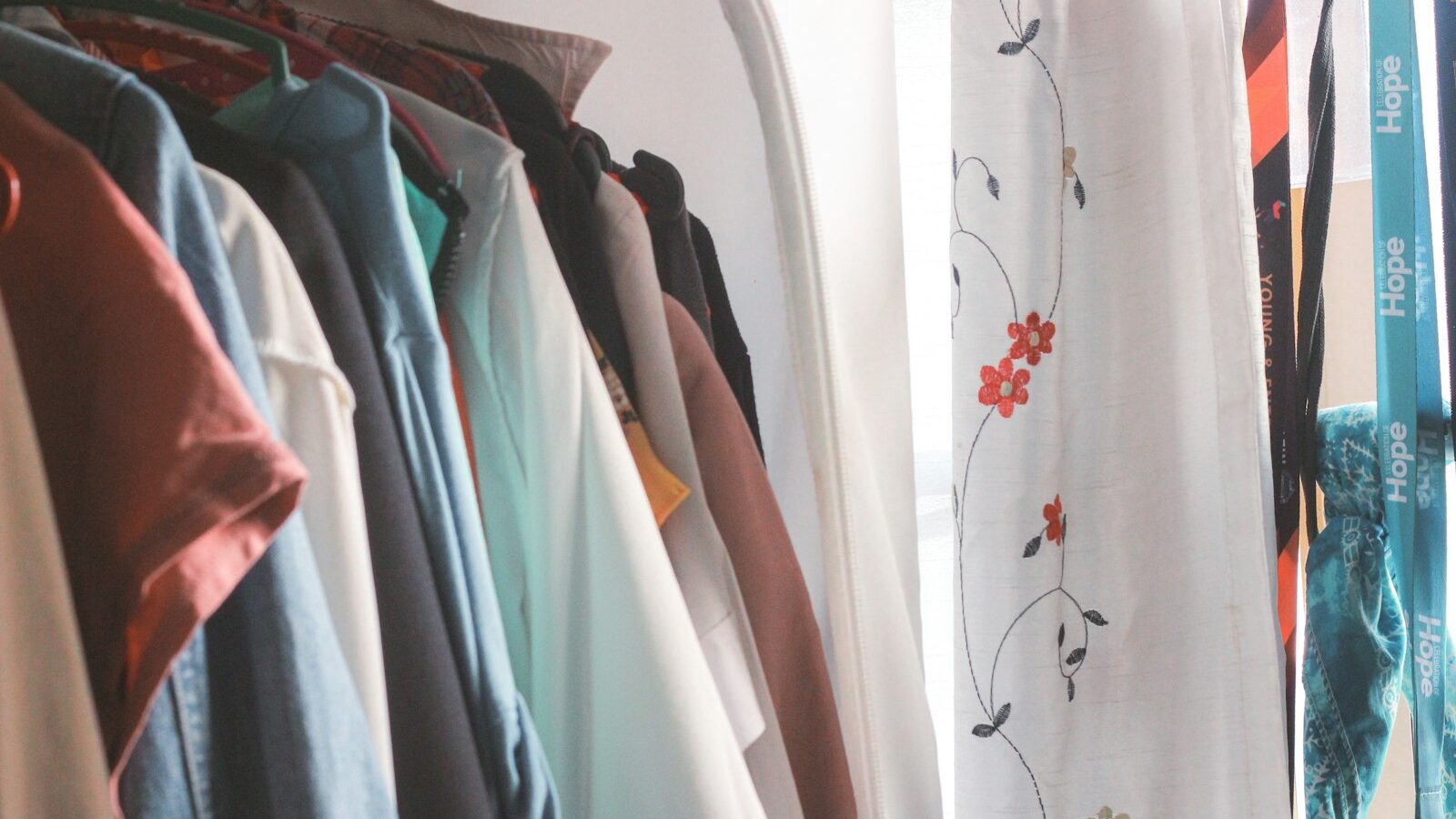
Storing clothes for humidity in Singapore is a quiet, constant battle. Our air sits around eighty per cent humidity most of the year, and a closed wardrobe is the perfect dark, still, damp environment for mould, mildew and that stale smell to take hold. You do not need a fancy walk-in closet to win this fight, just a few habits and a couple of inexpensive tools. This guide covers how to prepare clothes before they go away, how to keep air moving, and how to protect the pieces that suffer most in our climate.
Why Humidity Is Hard on a Singapore Wardrobe
Mould and mildew are living things, and they thrive on three conditions our wardrobes hand them for free: moisture, warmth and stillness. Add a food source, which for fabric means the natural fibres, body oils and tiny food or sweat traces left behind, and you have the whole recipe. That is why an untouched shirt at the back of the cupboard can come out speckled and sour after a rainy fortnight.
Leather, silk, wool and cotton all absorb moisture from the air, so they are especially vulnerable. Once mould marks set in, they can stain permanently and weaken the fabric. Prevention is far easier than rescue, and almost all of it comes down to keeping clothes dry, clean and surrounded by moving air before you ever shut the door.
Getting Clothes Ready Before They Go Away
Half of good storage happens before a single garment goes into the wardrobe. Damp or dirty clothes are the single biggest cause of mould, so the prep matters.
- Store only clean clothes. Body oils, sweat and food traces feed mould and attract insects, even on items that look clean. Wash or air pieces before putting them away for a while.
- Make sure everything is bone dry. In our climate, clothes that feel almost dry often are not. Give them extra airing time before folding, because trapped damp is what turns into that musty smell.
- Fold heavy knits, hang structured pieces. Knitwear stretches out of shape on a hanger, so fold it. Shirts, blazers and dresses keep their shape better hung.
- Choose breathable storage. Cotton garment bags and fabric boxes let air pass; sealed plastic traps moisture against the fabric and can make mould worse.
If you are packing away occasion wear you rarely reach for, this is also a natural moment to declutter your wardrobe and only keep what genuinely earns its space.
Keeping Wardrobe Air Moving
Stillness is the enemy, so airflow is your best free defence. A packed wardrobe with no gaps traps damp against every garment. Leave breathing room between hangers, and resist the urge to cram the rail full.
Open the wardrobe doors for a while every few days to let fresh air circulate, and on a dry, breezy day give the whole cupboard a proper airing. If your wardrobe sits against an outside wall that gets warm and damp, pull it a few centimetres away from the wall so air can move behind it. A small clip-on fan or the room’s ceiling fan pointed towards an open wardrobe, even for ten minutes, shifts a surprising amount of stale, moist air. Where a room is chronically damp, running the air-conditioner also dries the air and helps the whole space, wardrobe included.
Silica Gel, Dehumidifiers and Other Damp-Fighters
Beyond airflow, a few affordable tools actively pull moisture out of the air. Most Singapore homes use a combination rather than relying on just one. Here is how the common options compare.
| Method | Best for | Effort and cost | Notes |
|---|---|---|---|
| Silica gel packs | Drawers, boxes, bags, shoes | Cheap, low effort | Reusable; dry them out in the sun or oven when saturated |
| Moisture-absorber tubs | Enclosed wardrobes and cupboards | Cheap, refill now and then | Collect water in a reservoir you empty and replace |
| Electric dehumidifier | Whole rooms and damp corners | Higher cost, plug in | Most effective; drop humidity across the entire space |
| Activated charcoal or bamboo | Small enclosed spaces | Cheap, low effort | Absorbs damp and odour gently; recharge in sunlight |
| Air-conditioning | Any room, while running | Runs on electricity | Dries the air whenever it is on, an easy everyday helper |
Silica gel and moisture-absorber tubs are the everyday workhorses for wardrobes and drawers. A dehumidifier earns its keep if you have a genuinely damp room, a ground-floor flat, or clothes and shoes that keep going mouldy despite your best efforts. Check absorber tubs and gel packs regularly, because a saturated one does nothing. You can find all of these at supermarkets, hardware shops, neighbourhood stores and online.
Storing Special Pieces: Leather, Knits and Occasion Wear
Some items need a little extra thought in our climate.
- Leather bags, shoes and jackets are magnets for mould. Store them with silica gel, keep them somewhere ventilated rather than sealed in plastic, and wipe them down every so often. Stuff bags and shoes lightly to hold their shape.
- Wool and knitwear should be clean, folded and, ideally, kept with a natural moth deterrent such as cedar. Damp is the bigger enemy here than moths, so dryness comes first.
- Occasion wear like suits, cheongsams, saris and gowns that hang untouched for months benefits from a breathable garment bag and an occasional airing. Take these out before a big event, not the night before, so you can steam and freshen them.
- Shoes deserve their own airflow. Let worn shoes dry out fully before boxing them, and tuck a silica gel pack inside.
Rotate what you can too. Clothes you wear and wash regularly rarely go mouldy; it is the forgotten pieces at the back that suffer. Bringing everything into circulation now and then keeps the whole wardrobe healthier.
Building Storage Habits That Stick
None of this needs to be a chore. Fold the routine into what you already do: dry clothes fully before they go away, keep the rail from overflowing, swap out damp absorbers when you notice them full, and crack the doors open on a dry day. A ten-second sniff test when you take something out will warn you early if damp is creeping in. Catch it at the faint-smell stage and a quick wash and airing fixes it; ignore it and you are dealing with set-in mould marks instead.
Treated well, your clothes will smell fresh, hold their shape and last far longer, even in one of the most humid cities on earth.
Explore more
Storing clothes well starts with cleaning and drying them properly, so read our guide to how to care for your clothes in Singapore alongside this one. Knowing your clothing fabrics and materials helps you spot which pieces need the most protection, and if your wardrobe is overflowing, our guide to decluttering your wardrobe makes storage far easier.
Related across Sky Media: How to Fold and Store Clothes to Save Space