
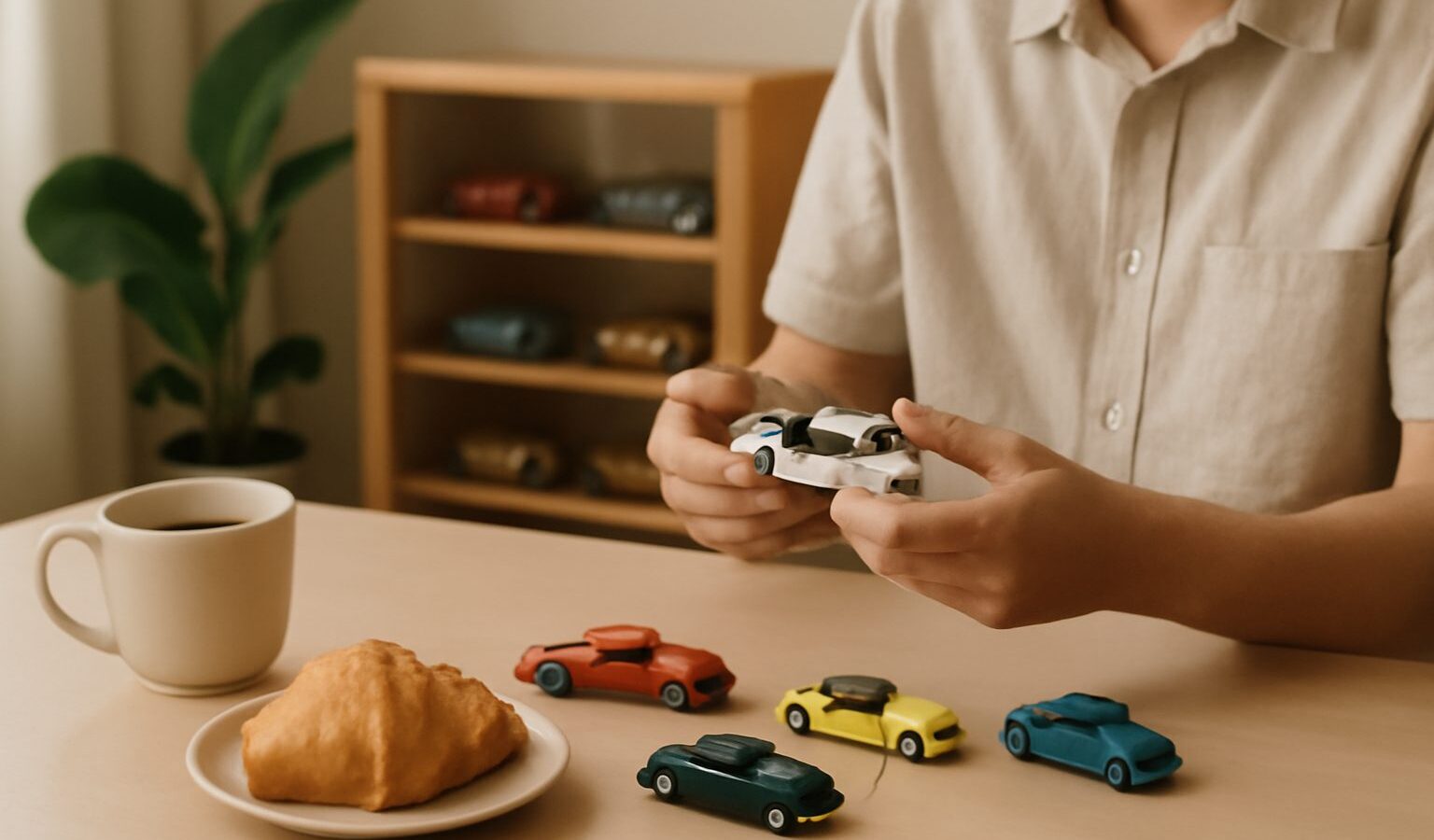
Diecast collecting in Singapore is one of those hobbies that can start almost by accident. You pick up a small metal car at the supermarket checkout, then another, and before long you have a shelf of them and a growing interest in scales, brands and rare finds. Diecast simply means models made mostly from cast metal, and the world runs from pocket-money 1:64 cars up to detailed 1:18 replicas of classic vehicles, planes and motorbikes. This guide covers what the hobby involves, what you need to begin, where to shop locally, and how to keep your models in good shape in our humid climate.
What Diecast and Toy Collecting Involves
At its heart, this hobby is about enjoying miniature versions of things you find beautiful or nostalgic, whether that is the car your family drove, a racing legend, or a whole fleet of buses and trucks. Some collectors chase a single brand or theme, others simply buy what makes them smile. There is no right way to do it.
Part of the fun is the hunt. Spotting a hard-to-find model on a shelf, a swap meet or an online listing gives a small thrill that keeps the hobby fresh. It is also wonderfully flexible: you can keep models sealed in their boxes as pristine collectibles, or open them up to display and enjoy. Both approaches are common, and neither is more correct than the other. What matters is that you collect what you genuinely like rather than what you think will be valuable.
What You Need to Start
Getting going costs very little. Your first model can be an inexpensive 1:64 car from a supermarket or toy shop, and that is a perfectly respectable start. Beyond the models themselves, you really only need somewhere to keep them clean and a little space to show them off.
A simple starter kit looks like this:
- A first model or two in a scale that appeals to you.
- A clear shelf, cabinet or box, ideally away from direct sunlight.
- A soft brush or microfibre cloth for dusting.
- A notebook or phone app to track what you own, if you like keeping records.
That is genuinely all you need to begin. As your collection grows you might add a glass display cabinet, acrylic cases for prized pieces, and a few silica gel packets to manage moisture, but none of that is essential on day one. Start small and let the hobby show you what you need.
Scales, Budgets and What Suits You
Scale is the first thing new collectors get confused by, so it helps to understand it early. The scale is the ratio of the model to the real object, so a 1:64 car is one sixty-fourth of full size. Smaller scales are cheaper and take less space, while larger scales carry more detail and cost more. The table below gives a rough guide. Treat the budget bands as illustrative and check current prices with the shop, as they vary a lot by brand and model.
| Scale | Rough size | Budget band | Best for |
|---|---|---|---|
| 1:64 | Palm-sized | Budget | Beginners and big collections in small spaces |
| 1:43 | Small display | Budget to mid | Balancing detail with limited shelf room |
| 1:24 | Medium | Mid | Showing off detail without needing a cabinet |
| 1:18 | Large | Mid to premium | Detail lovers with room for a showpiece |
Many people mix scales, buying cheap 1:64 cars for fun and saving up for the occasional larger centrepiece. If you live in a compact HDB flat, sticking mostly to 1:64 or 1:43 keeps a sizeable collection manageable.
Where to Buy Diecast and Toys in Singapore
You can find diecast almost everywhere once you start looking. Supermarkets, department stores such as Metro and Takashimaya, and toy shops carry mainstream brands, while hobby and model shops stock more specialist and larger-scale models. Areas known for toys and collectibles, along with weekend fairs and toy swap meets, are great for browsing and meeting other collectors.
For older, retired or overseas models, the second-hand and online markets are your friend. Carousell and local collector groups on social media are active, and buying pre-loved is a smart way to find models no longer on shelves. Always check photos closely for chips, rust or missing parts before you commit. For storage and display, Daiso, IKEA and hardware shops sell affordable cabinets, cases and boxes.
Connecting with the local scene pays off quickly. Singapore has friendly diecast and toy collecting communities who share news of restocks, organise meet-ups, and help newcomers avoid common mistakes. A quick search for local groups is often the fastest way to learn what is worth buying and where.
Storing and Protecting Models in a Humid Climate
Our humidity is the main threat to a diecast collection. Damp air can encourage the metal to corrode over time and can foster mould on boxes and rubber tyres. The simplest defences are to keep models out of direct sunlight, which fades paint and can crack plastic, and to store them somewhere with steady, moderate conditions rather than a hot, stuffy cupboard.
A few practical habits go a long way:
- Use a glass or acrylic display case to keep dust and moisture off prized models.
- Tuck silica gel packets into cabinets and storage boxes, and replace them when they are spent.
- Dust regularly with a soft brush, since trapped grime holds moisture against the surface.
- Keep boxes off the floor and away from damp walls if you store models sealed.
If a model does gather dust, a soft dry brush is usually enough. Avoid harsh cleaners on painted surfaces, and be gentle around fragile mirrors, aerials and decals. It also helps to open a cabinet now and then to let air circulate, and to check stored boxes every few months for early signs of damp or mould so you can act before any damage sets in. With a little routine care, your models will look as good in years to come as the day you bought them.
Explore more
If the collecting bug has bitten, you might also enjoy Lego as an adult hobby and collecting and caring for figurines, which share the same display-and-protect challenges. For the wider picture, see our guide to how to start a collection as a hobby and, for building fans, model building.