
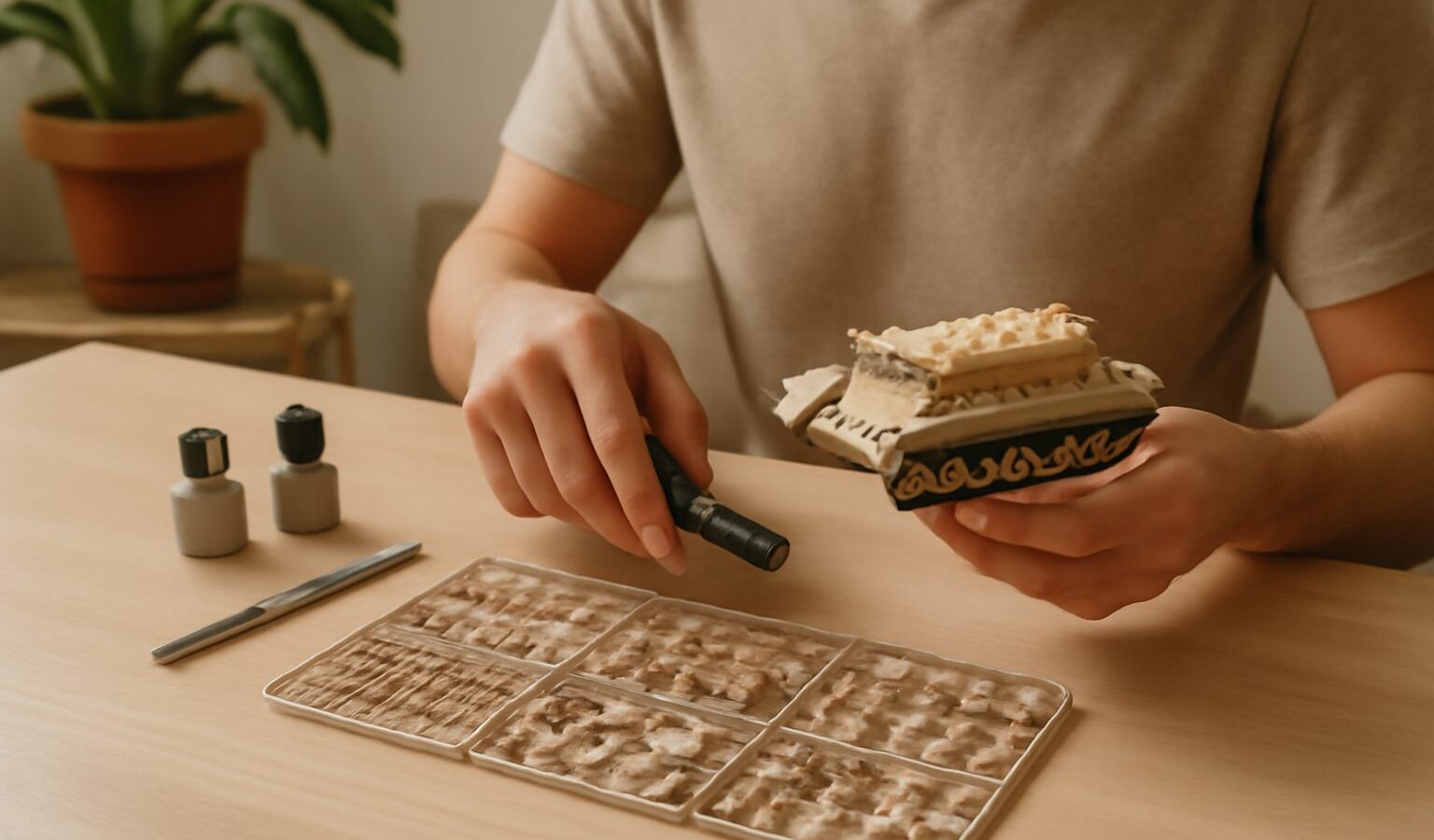
There is something quietly satisfying about turning a box of tiny plastic parts into a finished aircraft, tank, ship or race car that sits proudly on your shelf. Model building in Singapore has a steady, friendly community, and it is one of the easiest hobbies to start at home with almost no space and a small budget. You do not need to be artistic or technical. If you can follow an instruction sheet and enjoy working with your hands, you can absolutely do this. This guide walks you through choosing a first kit, the basic tools, where to shop locally, and how to keep your models safe from our tropical humidity.
What Model Building Is and Why It Suits Singapore
Model building means assembling a scale replica, usually from moulded plastic parts, and often painting and detailing it to look realistic. Kits come in genres such as aircraft, military vehicles, ships, cars, and sci-fi subjects, and in scales like 1/72, 1/48, 1/35 and 1/24. The scale tells you how much the real object has been shrunk, so a 1/48 fighter jet is about a foot long while a 1/144 one fits in your palm.
It is a wonderful fit for life here. You can build at a dining table in an HDB flat, pack everything back into a shoebox afterwards, and pick it up again whenever you have a spare hour. It is quiet, screen-free, and deeply relaxing, a real antidote to a busy work week. Because you progress one small step at a time, it also gives you frequent little wins that keep you motivated.
Choosing Your First Kit
The best first kit is one you find genuinely cool, because excitement carries you through the fiddly bits. That said, a few practical pointers help:
- Pick a larger scale to start. Bigger parts (say 1/48 or 1/35) are easier to handle than tiny 1/144 pieces.
- Look for a low parts count. A kit with around 50 to 150 parts is far friendlier than one with 500.
- Check the skill level on the box. Many brands print a rating; choose “Level 1” or “Level 2”.
- Snap-fit kits are the gentlest entry. These clip together without glue and often come pre-coloured, so you can enjoy assembly first and add paint later.
Trusted beginner-friendly brands you will see locally include Tamiya, Bandai, Airfix and Revell. Do not agonise over the choice. Your first model is for learning, not perfection, and it is completely fine to start cheap and cheerful.
What You Need to Start
You can begin with a surprisingly short list. Here are the essentials:
- A model kit suited to beginners, as above.
- A sharp hobby knife or a sprue cutter (nipper) to remove parts cleanly from the plastic frame.
- A cutting mat to protect your table and your knife tip.
- Fine sandpaper or a sanding stick to smooth the little nubs left behind.
- Plastic cement or a snap-fit kit if you are gluing.
- Tweezers for placing small parts and decals.
Paint is optional at the start. When you are ready, acrylic paints are the friendliest for home use because they are low-odour and clean up with water. A few brushes and a mixing palette are enough; you do not need an airbrush to make something you are proud of.
A note on safety: hobby knives and nippers are genuinely sharp, so always cut away from your fingers and store blades capped. Use plastic cement and any spray paint in a well-ventilated spot, such as near an open window or under a fan, and follow the instructions on the product. Keep glues, blades and small parts away from young children and pets.
Comparing Beginner Starting Points
There is no single “right” way in. This table compares three common approaches so you can match one to your budget and patience.
| Starting point | Best for | Rough cost band | What you get |
|---|---|---|---|
| Snap-fit kit, no paint | Total beginners, kids, small spaces | Budget | Assembly practice and a finished model with zero glue or paint |
| Glue kit with a small paint set | Keen beginners wanting realism | Mid | Cleaner joins, hand-painted detail, a real sense of craft |
| Detailed kit with airbrush later | Committed hobbyists | Premium | Fine finishes, weathering, and room to grow for years |
Prices vary widely by brand, scale and shop, so treat these bands as a rough guide and check the retailer for current pricing before you buy.
Building Your First Model Step by Step
The rhythm is simple once you have done it once:
- Read the whole instruction sheet first and lay out your tools.
- Cut parts off the sprue only as you need them, leaving a small tag of plastic, then trim the rest flush.
- Sand the leftover nub smooth so joins sit flat.
- Test-fit before gluing to check the parts line up.
- Glue sparingly. A little plastic cement goes a long way, and too much leaves marks.
- Add decals last, sliding them off wet backing paper and pressing out the water gently.
Work in short sessions and do not rush the glue drying. Your second model will be noticeably neater than your first, which is half the fun.
Where to Buy and Learn in Singapore
For kits, tools and paints, hobby specialists carry the widest range, and you will find dedicated model shops around the island as well as at malls and heartland spots. Art Friend and Spotlight stock knives, cutting mats, brushes and craft paints, while Daiso is handy for cheap tweezers, small containers and basic supplies. Bras Basah is a classic hunting ground for art and hobby materials. Online marketplaces and local hobby stores are useful for specific kits and spare parts.
To learn, you are spoilt for choice without spending a cent. Online video tutorials cover every technique step by step, and hobby forums and Singapore-based social media groups are welcoming to newcomers who post their first builds. Some hobby shops run occasional workshops or have staff happy to advise, so ask when you visit. Community centres sometimes host craft sessions too, which are a nice way to meet others.
Protecting Your Models From Humidity and Dust
Our climate is the one thing worth planning for. High humidity can encourage decals to lift over time, make glue and paint take longer to cure, and let dust cling to sticky surfaces. A few easy habits keep your collection looking sharp:
- Store finished models in a glass or acrylic display cabinet to keep dust off.
- Pop a few silica gel sachets into the cabinet or storage box to reduce damp, and refresh them now and then.
- Keep kits and paints in a cool, dry drawer, away from direct sun and bathroom moisture.
- Let paint and glue fully cure before sealing a model in a case.
- Dust gently with a soft brush rather than a damp cloth.
Do these small things and your models will stay crisp for years. Start with one simple kit this weekend, enjoy the calm of building it piece by piece, and see where the hobby takes you.
Explore more
If model building appeals, you may enjoy other patient, hands-on pursuits. Fans of assembling and detailing often love Gunpla and mecha model kits, or the brick-by-brick joy of Lego as an adult hobby. For the collector’s side of the shelf, take a look at diecast and toy collecting or, if you are still deciding, our overview of how to start a collection as a hobby.