
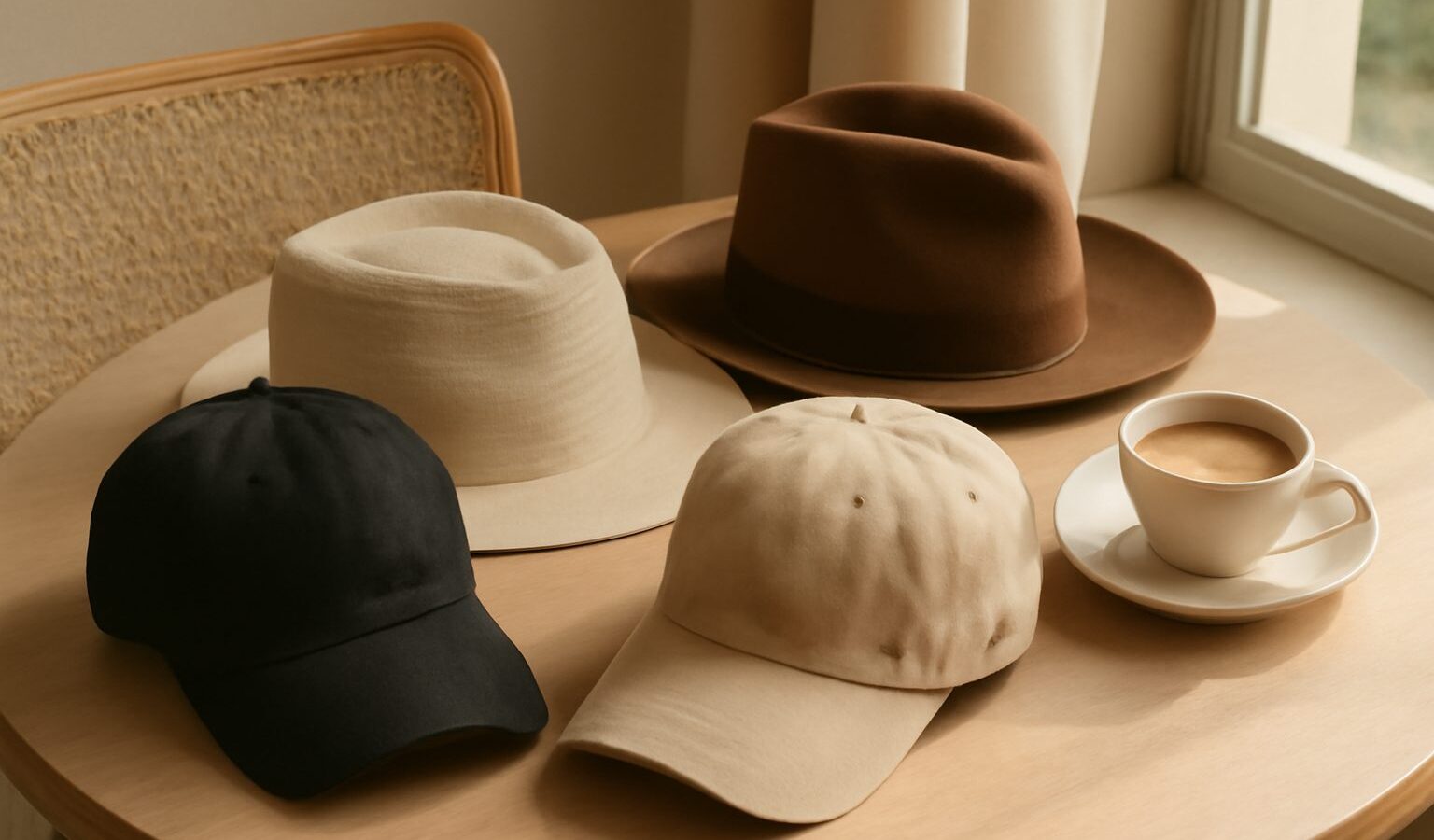
Choosing hats and caps in Singapore is really about two things at once: looking good and surviving the sun. Between the equatorial glare and constant humidity, a good hat is genuine protection, not just an accessory. This guide covers the main styles, how to pick materials that breathe, how to get the fit right, and how to keep your headwear fresh.

Why a Hat Earns Its Place Here
Singapore sits almost on the equator, so ultraviolet levels stay high all year, even on cloudy days. A brimmed hat shades your face, ears, and the back of your neck, the very areas sunscreen is often missed. It also cuts glare, keeps sweat and rain off, and helps you feel cooler by keeping direct sun off your scalp. For anyone who walks, cycles, runs, or spends time at the beach or on the water, headwear is one of the simplest health habits you can build.
The Main Styles and What They Do Best
Different hats solve different problems. Here is how the common options compare for our weather and daily life.
| Style | Sun coverage | Best for | Notes |
|---|---|---|---|
| Baseball cap | Face only | Sport, casual, running errands | Leaves ears and neck exposed |
| Bucket hat | Face and partial neck | Walking, festivals, packable travel | Folds flat, very versatile |
| Wide-brim straw | Face, neck, shoulders | Beach, gardening, markets | Best all-round sun shield |
| Panama or fedora | Face | Smart-casual, dressy outings | Structured, needs careful storage |
| Legionnaire cap | Face, ears, neck | Hikes, long outdoor days | Rear flap covers the neck fully |
For pure protection, a wide-brim style with a brim of at least seven to eight centimetres wins. For everyday style and convenience, a bucket hat or cap is easier to carry and pairs with almost anything. Many people own one of each.
Choosing Breathable Materials
Material decides whether a hat feels cool or turns into a personal sauna. Look for these.
- Straw and paper braid: naturally ventilated and light, ideal for outdoor events and the beach. Toyo and raffia are common types.
- Cotton and cotton twill: soft and washable, good for caps and buckets, though they can feel warm when densely woven.
- Technical polyester and nylon: used in sports caps, these wick sweat and dry fast, perfect for running in the heat.
- Mesh panels: any hat with mesh or eyelet vents will feel noticeably cooler on a humid afternoon.
Where sun protection is the priority, look for headwear labelled with a UPF rating. A tightly woven or specially treated fabric blocks far more ultraviolet than a loose weave you can see light through. Darker colours generally shield better, though they absorb more heat, so balance protection against comfort.
Getting the Fit Right
A hat that does not fit will either fly off in the wind or leave a red mark on your forehead. To find your size, wrap a soft tape around your head just above the ears and eyebrows, where a hat naturally sits, and note the measurement in centimetres.
- Fitted hats come in set sizes, so match your measurement to the size chart.
- Adjustable caps use a strap or buckle at the back and suit most people.
- Structured hats such as fedoras sometimes include an internal sizing tape you can add for a snugger fit.
The hat should sit level and feel secure without pressing. For outdoor activities, a chin cord or a cap with a good grip stops your hat from becoming a casualty of the sea breeze.
Styling for Singapore Occasions
Headwear can lift an outfit as well as protect you. A few easy pairings:
- Weekend casual: a bucket hat or cap with shorts, a tee, and trainers.
- Brunch and markets: a straw wide-brim with linen or a sundress reads relaxed and put together.
- Smart-casual evenings: a Panama or clean fedora with a shirt, though remember indoor aircon means you will often carry it rather than wear it.
- Active days: a technical running cap or legionnaire style keeps sweat and sun at bay on the trails.
Keep the rest of your look simple when the hat is a statement, and let neutral tones such as natural straw, navy, black, and white slot into almost any wardrobe.
Remember the practical rhythm of a day here, which usually swings between fierce sun outdoors and cold aircon indoors. A packable bucket or a cap that folds into a bag is far more useful than a rigid brim you cannot stow, because you will spend half your day carrying it. If you cycle or take public transport, a soft, crushable style survives being stuffed into a bag without losing its shape, which a structured felt hat will not forgive.
Care and Storage in a Humid Climate
Humidity encourages mould and odour, so a little care goes a long way. Let a sweaty hat air dry fully before storing it, ideally out of a stuffy cupboard. For cotton caps and buckets, spot clean the sweatband with mild soap and a soft brush, and check the label before machine washing, using a gentle cycle and cool water where allowed. Reshape while damp and air dry away from direct sun, which fades fabric.
Straw hats dislike getting soaked and crushed. Wipe them with a barely damp cloth, keep them dry, and store them crown down or on a shelf so the brim keeps its shape. Structured felt or Panama styles deserve a box or a spot where nothing will squash them.
The Short Version
A hat is one of the best-value purchases you can make for life in Singapore. Start with a versatile bucket hat or cap for everyday wear, add a wide-brim straw for real sun days at the beach or garden, and choose breathable, well-fitting materials so you actually wear them. Look after them and they will shield you, cool you, and finish your outfit for years.
Explore more: Sun-Protective Clothing in Singapore · How to Accessorise an Outfit · Choosing Sunglasses and Eyewear in Singapore
Frequently Asked Questions
Is a baseball cap enough sun protection near the equator? Not on its own. A cap shades the face but leaves ears and the back of the neck exposed, which are often missed by sunscreen. For long outdoor stretches, choose a wide-brim hat, a legionnaire style with a neck flap, or pair the cap with sunscreen.
What does a UPF rating on a hat mean? UPF describes how much ultraviolet radiation a fabric lets through, so a higher rating means better protection. A tightly woven or specially treated fabric blocks far more than a loose weave you can see light through. Darker colours usually shield better but run warmer.
How do I measure my head to buy a hat online? Wrap a soft tape measure around your head just above the ears and eyebrows, where a hat naturally sits, and note the figure in centimetres. Then match it to the brand’s size chart, or choose an adjustable cap if the sizing is unclear.
Which hat is easiest to carry around in and out of aircon? A packable bucket hat or a soft cap that folds into a bag is the most practical, since you will spend half your day carrying it between sunny streets and cold interiors. Rigid brims and structured felt styles are harder to stow and easier to crush.
How do I stop my hat smelling musty in humid weather? Let a sweaty hat air dry fully before storing it, and avoid stuffy cupboards. Spot clean cotton sweatbands with mild soap and a soft brush, following the care label, and dry away from direct sun. Store straw hats on a shelf or crown down.