
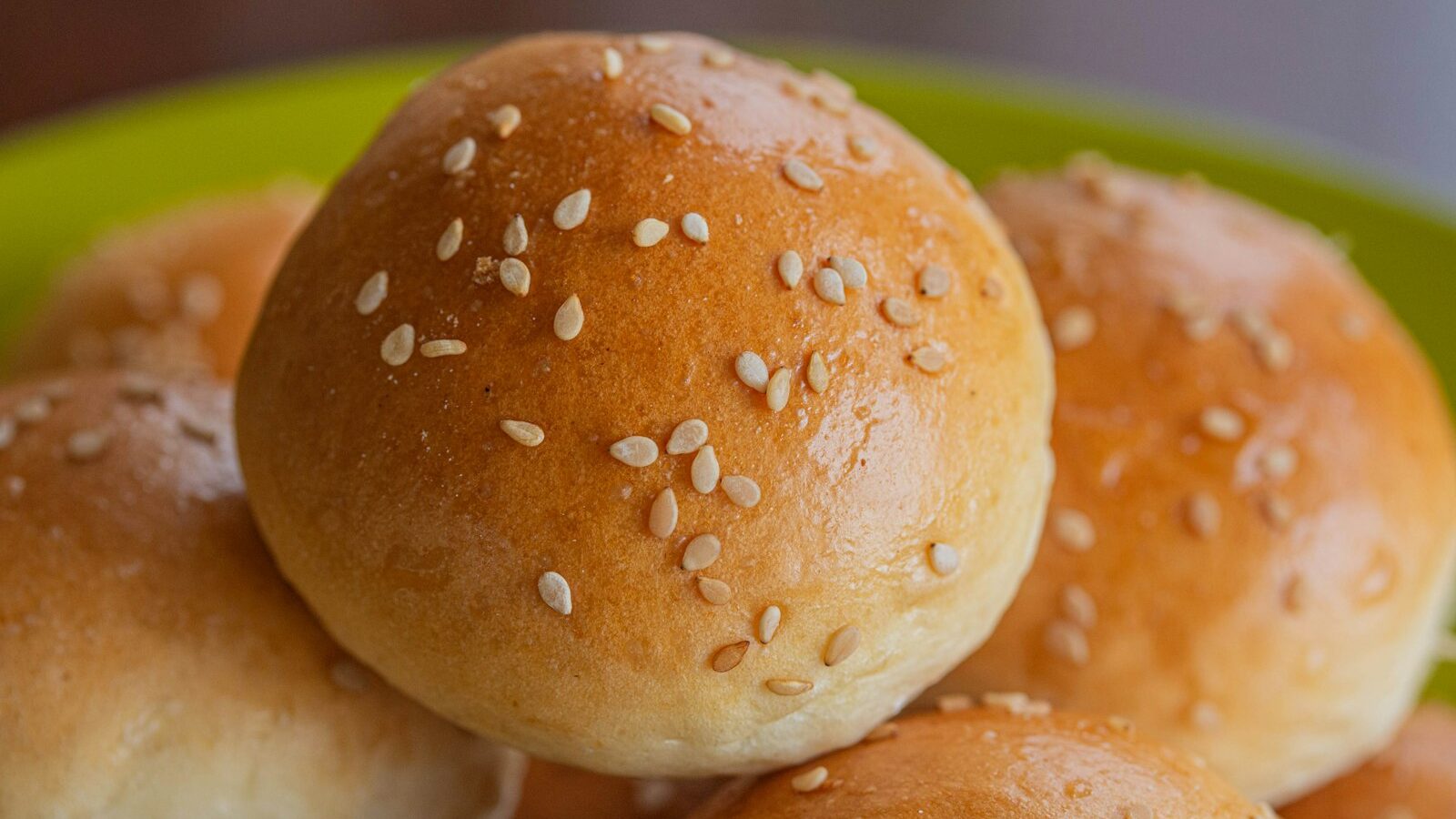
Few smells say home quite like a tray of soft buns fresh from a heartland bakery. Long before artisan sourdough arrived, Singapore had its own beloved baking tradition, sold from glass fronted cabinets in coffeeshops and neighbourhood shops where you grab a tray and a pair of tongs. This guide to local breads and buns celebrates those everyday classics: the fluffy white loaf that makes kaya toast, the sweet and savoury buns of a kopitiam bakery, and the little rituals of how we eat them. It is a warm, familiar corner of our food scene, and it rewards a closer look.
The Soft White Loaf and Its Cousins
The backbone of the tradition is a pillowy, slightly sweet white loaf, sold in a bag or as a squarish block you slice yourself. It is soft enough to squash flat, which is exactly the point.
Its most famous job is kaya toast: two thin slices toasted or grilled, spread with kaya, the local coconut and egg jam, and a cold slab of butter, then cut into fingers for dipping into soft boiled eggs. Beyond that, the same loaf turns up as steamed bread in some coffeeshops, as the base for a simple butter and sugar snack, and as the bread in an old fashioned ice cream sandwich, where a brick of ice cream is wrapped in a folded slice. Wholemeal versions exist too, though the classic white loaf remains the sentimental favourite. A quick note for anyone avoiding gluten: these breads are wheat based, so they are not suitable, and kaya usually contains egg.
The Kopitiam Bakery Buns to Know
The real joy of a neighbourhood bakery is the spread of buns, both sweet and savoury, lined up warm on their trays. Most are generously soft, gently enriched, and priced to be an everyday treat. Here are the classics worth knowing:
- Kaya bun. A soft bun filled or spread with that same coconut jam, sometimes with a knob of butter inside.
- Sausage bun. A savoury favourite with a small sausage baked into or wrapped in the dough, often finished with a stripe of sauce.
- Sugar bun. A round bun topped with butter and a snowfall of sugar, simple and hard to resist.
- Coconut bun. Filled with a sweet, fragrant shredded coconut mixture, a cousin of the kaya bun.
- Red bean bun. Pillowy dough around smooth or chunky sweetened red bean paste.
- Floss bun. Topped with savoury meat floss, sometimes over a smear of mayonnaise.
- Cream bun. Split and filled with a soft custard or cream, a lunchbox classic.
- Peanut or lotus buns. Filled with sweet ground peanut or lotus seed paste for something richer.
Many bakeries also bake polo buns, with their crackly sweet crust, and otah buns spiced with fish paste, so there is nearly always something new to try beside your usual.
What to Order and How to Eat It
If you are building a tray, a good spread balances sweet and savoury so nothing feels one note. This little comparison helps you pick with intent rather than grabbing at random.
| If you want | Try this bun | Best enjoyed |
|---|---|---|
| A proper breakfast | Kaya toast set | With kopi and soft boiled eggs |
| Something savoury | Sausage or floss bun | Warm, as a quick bite |
| A sweet treat | Sugar or coconut bun | Fresh, with tea or coffee |
| A kid friendly pick | Cream or red bean bun | Anytime snack |
| Afternoon pick me up | Polo bun | With kopi or teh |
The unwritten rule is simple: buy for the same day, because these soft buns are at their best fresh and tend to firm up by the next morning. Eat them warm where you can, pair sweet buns with kopi or teh, and do not be shy about mixing a savoury bun with a sweet one in the same sitting. It is a very local pleasure to dabao a bag home and share them round.
Where to Find Them Across the Island
Local breads and buns are woven into daily life, so you are rarely far from a tray. Knowing the different kinds of places helps you find the style you fancy.
- Traditional kopitiam toast stalls. The place for kaya toast sets, soft boiled eggs and a proper cup of kopi, usually inside a coffeeshop or hawker centre.
- Heartland bakeries. Neighbourhood shops with self service tongs and trays, strong on the everyday buns, often busiest in the morning and after work.
- Bakery chains in malls. Reliable for a familiar range, handy when you are already out shopping.
- Old school confectioneries. A dwindling but treasured kind of shop that still bakes the classics the traditional way.
- Wet market and coffeeshop stalls. Small operators who sell a tight selection of the favourites.
Because eateries open, close and change often, it is always worth checking current opening hours and what a particular shop bakes on the day. Freshness and turnover matter more than any single address, so a busy shop with fast moving trays is usually a good sign. Support the smaller old timers when you can, since a few of these traditional bakers have quietly disappeared over the years.
Keeping the Tradition Fresh
What makes this baking special is not fuss but familiarity. The recipes are humble, the flavours are gentle, and the whole thing is built around soft dough, a light hand with sugar, and eating it while it is fresh. If you like to bake, the sweeter enriched dough behind many of these buns is forgiving and rewarding to try at home, though nailing that signature softness takes a little practice.
More than anything, these are foods to share and to keep enjoying. Grab a tray on the way to work, pick up a bag for the family, or make a small ritual of kaya toast on a lazy morning. Local breads and buns are a quiet cornerstone of how Singapore eats, and every warm bun you buy helps keep the tradition alive.
Explore more
For the coffee that partners these buns so perfectly, our other food guides pair nicely: see our gut health and fermented foods guide if the sourdough bug bites, and our guide to cooking oils and fats for the butter and spreads behind good toast. Planning meals ahead? Our meal kit and subscription services guide can help.