
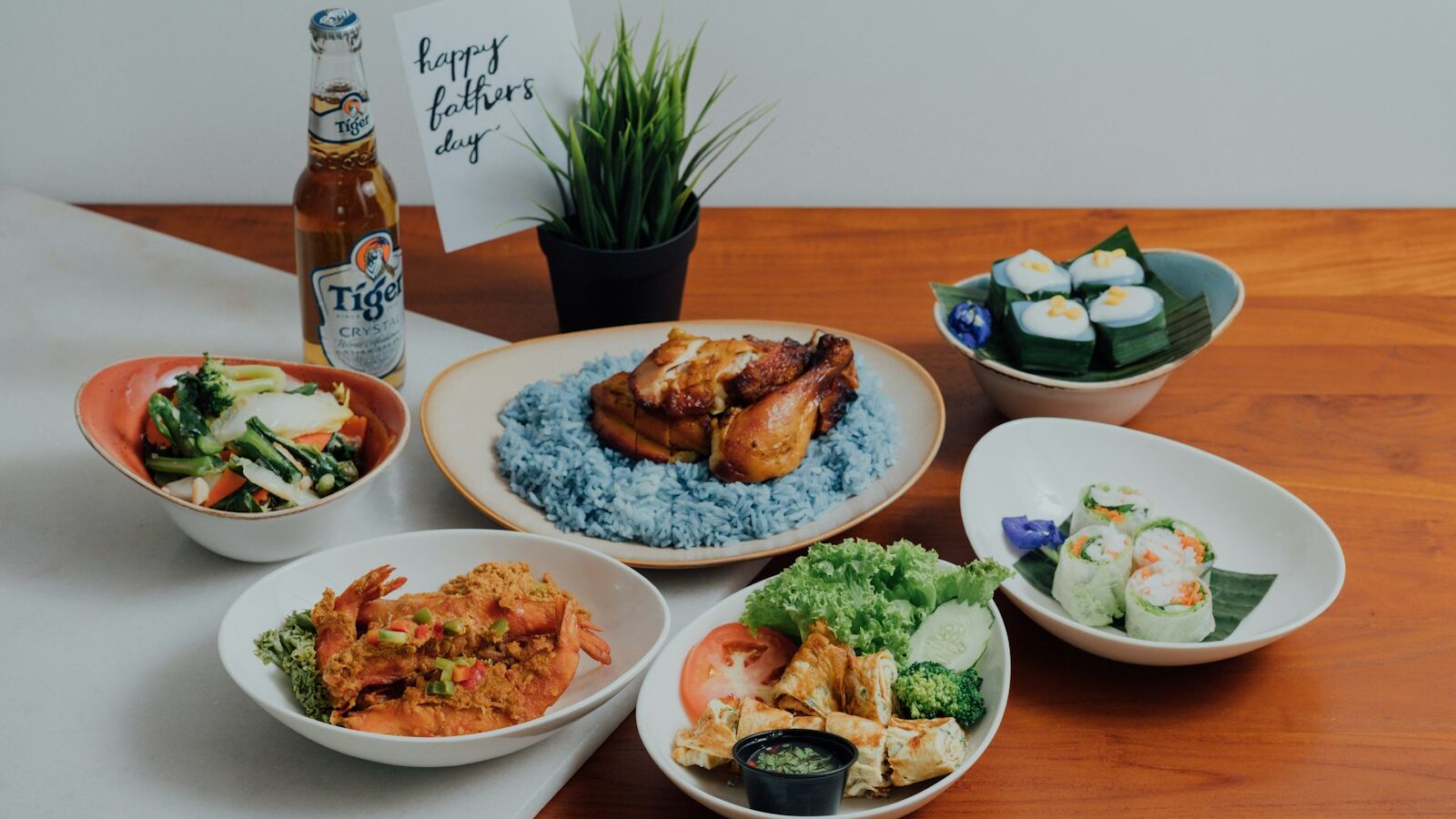
Cooking for friends is one of the warmest ways to feel at home in a new country, and a Chinese dinner party Singapore style is very doable once you know where to shop and how to plan. The ingredients you grew up with are mostly here, sometimes under a different name or in a different aisle, and the local markets are a joy to explore. This guide walks you through building a menu around what you can actually buy, where to source everything, the food-safety basics worth minding, and how to keep the evening relaxed for you as the host.

Planning a Menu You Can Actually Cook
The secret to a calm dinner party is choosing dishes that suit your kitchen and your time, not the most elaborate banquet you can imagine. Start by counting your guests, then plan roughly one dish per person plus a soup and rice or noodles, which is a comfortable spread for sharing without waste. Balance the table across flavours and textures, so aim for a mix of one or two meat dishes, a seafood dish, a couple of vegetables and something light to finish.
Think about what can be prepared ahead. Braised and stewed dishes, cold appetisers and marinades can all be done hours in advance, leaving only the quick stir-fries for the last minute. If you have a single wok or hob, choose a menu with just one or two dishes that need furious last-minute cooking, and let the oven, steamer or slow braise carry the rest. A steamed fish, a braised meat, a blanched green with garlic and a simple soup will impress far more than five rushed dishes made while your guests wait.
It also helps to cook to your strengths and to the season. Home-style favourites you have made many times will always taste better than an ambitious recipe attempted for the first time in front of an audience. Keep one dish familiar to local guests and one that shows off your home region, and you will have a table that starts conversations.
Where to Buy Your Ingredients
Sourcing is half the fun, and Singapore gives you several options depending on how much time you have. Each has its strengths, so many home cooks use a mix.
| Where to shop | Best for | Handy to know |
|---|---|---|
| Wet markets | Fresh fish, meat, vegetables, herbs | Go early for the best pick, bring cash |
| Supermarkets | Everyday staples, sauces, frozen goods | Long hours, air-conditioned, card accepted |
| Chinese grocers | Regional sauces, dried goods, specialty items | Ask staff for hometown brands |
| Online grocers | Bulky or hard-to-find items | Order a day or two ahead to be safe |
Wet markets are the heart of local food shopping and will feel familiar if you shopped at one back home. Vendors are generous with advice, will clean and cut fish for you, and often let you buy small quantities. Go early in the morning for the freshest produce and the widest choice, bring your own bag, and have some cash ready, though many stalls now accept mobile payment too.
Supermarkets, from the large chains to smaller neighbourhood branches, cover almost everything else, including sauces, dried noodles, tofu, frozen dumplings and a solid range of Asian vegetables. For anything specific to a region, such as a particular chilli bean paste, a preserved vegetable or a hometown brand of soy sauce, dedicated Chinese grocers and the larger Asian supermarkets are your best friends. Do not hesitate to ask the staff, who can usually point you straight to the shelf. When something is bulky, heavy or hard to find, online grocers deliver to your door, which is a relief when you are already busy cooking.
Keeping the Food Safe
A happy dinner party is one where nobody feels unwell afterwards, so a few food-safety habits are well worth building in. Singapore’s climate is warm and humid, which means food spoils faster than it might in a cooler northern kitchen, and cooked dishes should not sit out at room temperature for long.
Keep these basics in mind:
- Buy chilled and frozen items last, and get them home and into the fridge or freezer quickly.
- Keep raw meat and seafood separate from ready-to-eat food, using different chopping boards and knives.
- Wash your hands, boards and utensils well between handling raw and cooked ingredients.
- Cook meat, poultry, eggs and seafood through, and reheat any make-ahead dishes until piping hot.
- Refrigerate leftovers promptly rather than leaving them on the table all evening.
- Thaw frozen items in the fridge overnight, not on the counter, and never refreeze thawed raw meat.
Buy fresh ingredients as close to the day as you can, especially seafood and leafy vegetables, and give everything a good rinse before cooking. If you are serving anything raw or lightly cooked, buy from a reputable source and keep it well chilled until the moment it goes on the table. These are general good-practice tips; if you have guests who are pregnant, elderly or have health conditions, take extra care with raw and undercooked items.
Setting the Scene and Hosting with Ease
The table itself sets the tone. A round table suits Chinese dining best because it lets everyone reach the shared dishes, but any table works if you place the food in the centre. Lay out chopsticks, small bowls, spoons for soup and a serving spoon or pair of communal chopsticks for each shared dish, which is both hygienic and thoughtful. A pot of tea in the middle is a warm, familiar touch that local and mainland guests alike will appreciate.
Plan your timing so you are not stuck at the stove all night. Serve cold dishes and drinks as guests arrive, bring out the make-ahead braises next, and finish with the quick stir-fries and the steamed fish so they reach the table hot. A simple dessert such as fresh fruit, a sweet soup or something you picked up from a bakery lets you end on a relaxed note without more cooking.
Most of all, remember that your guests came for your company as much as your cooking. A slightly imperfect dish shared with laughter beats a flawless one served by a frazzled host. Cook what you love, lean on your local markets, keep the food safe, and let the evening unfold. Hosting this way is one of the loveliest ways to build a circle of friends and to make a new city feel like home.
Explore more
Looking for dishes to cook or serve? Our guide to finding dongbei northeastern Chinese food is full of hearty ideas. For a festive gathering, see how Chinese New Year differs, China vs Singapore, and if a holiday trip is on the horizon, read planning a trip home to China for the holidays.
Further reading: Hosting a Thanksgiving or Friendsgiving Dinner in Singapore