
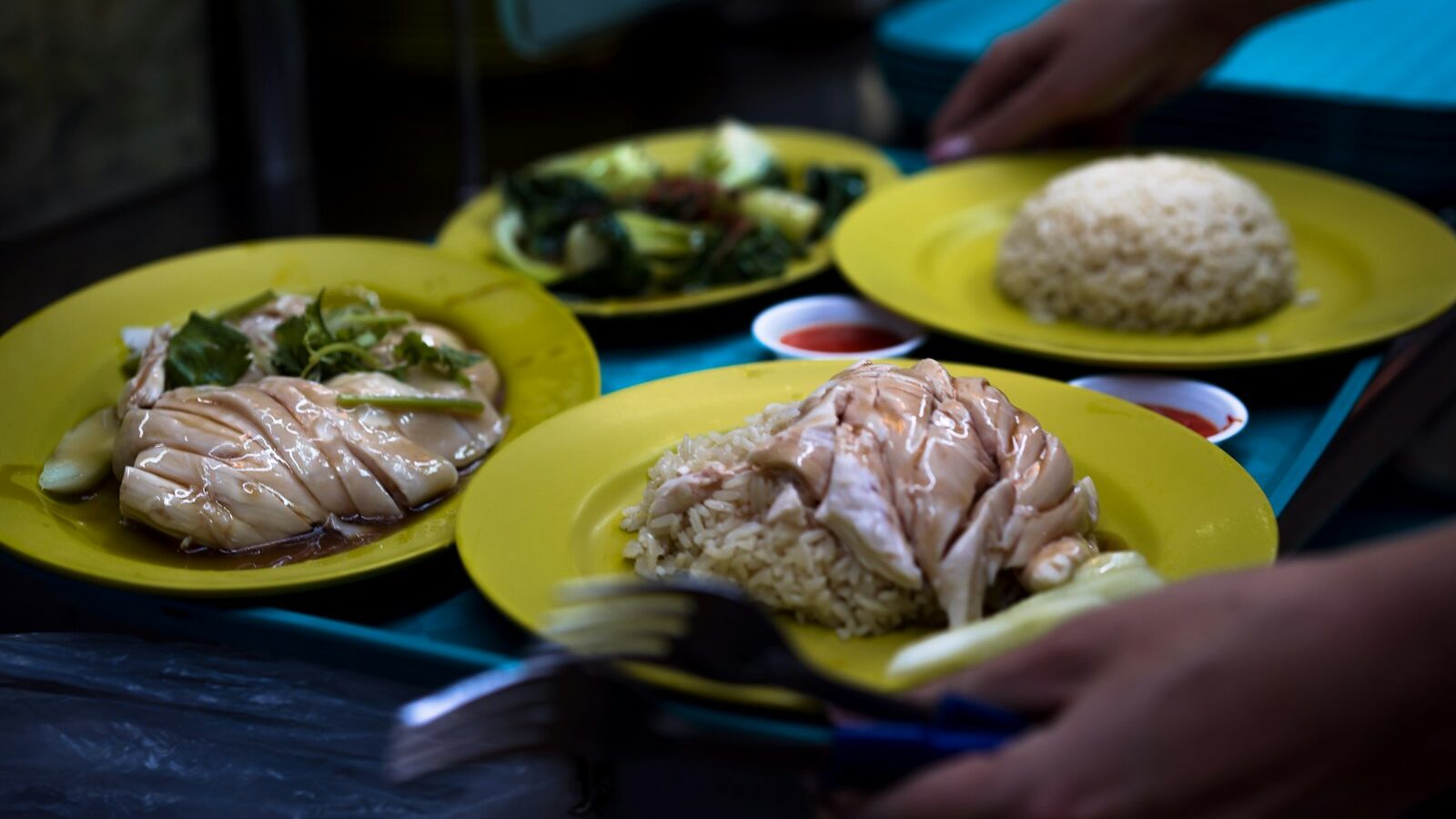
Rice is the quiet backbone of the local table, yet the humble bag in your kitchen comes in many forms, each suited to different dishes. Getting to know the common rice varieties in Singapore, from fragrant jasmine to glutinous pulut and nutty brown rice, helps you cook every meal better. This guide is a practical, everyday look at the main types, how to choose between them, and how to cook each one well.
Why the variety matters
Not all rice is interchangeable. Grains differ in length, starch content and aroma, and those differences decide whether your rice turns out fluffy and separate, soft and clingy, or sticky enough to shape by hand. Long grain rice tends to cook up light and separate, medium and short grain rice is softer and more tender, and glutinous rice becomes properly sticky. Choosing the right type for the dish is the single easiest way to improve your results.
Starch is the key. Rice contains two starches, amylose and amylopectin, and the balance between them shapes the texture. Higher amylose grains stay firm and separate, while higher amylopectin grains turn soft and sticky. You do not need to memorise the science, only to know that different varieties behave differently, so it pays to match the rice to what you are cooking.
The common types at a glance
Here is a quick comparison of the rice varieties you are most likely to use, to help you pick the right one and cook it well.
| Variety | Grain and texture | Good for | Rough water to rice |
|---|---|---|---|
| Jasmine (fragrant) | Long grain, soft, aromatic | Everyday meals, stir fries, Thai and SE Asian dishes | About 1.25 to 1.5 to 1 |
| Basmati | Long, slender, fluffy and separate | Biryani, pilaf, Indian meals | About 1.5 to 1.75 to 1 |
| Glutinous (pulut) | Short, very sticky when cooked | Kueh, zongzi, lemang, desserts | Soak, then steam |
| Brown rice | Whole grain, nutty, chewier | Wholesome everyday bowls | About 2 to 2.25 to 1 |
| Japanese short grain | Short, plump, tender and clingy | Sushi, donburi, Japanese meals | About 1.1 to 1.2 to 1 |
| Parboiled | Firm, separate, less sticky | Meal prep, dishes needing distinct grains | About 2 to 2.5 to 1 |
Treat these water ratios as starting points, since the ideal amount varies with the specific rice, its age and your cooking method. Adjust to taste over a few batches until you find what works in your kitchen.
A closer look at each
Jasmine, or fragrant rice, is the everyday workhorse for much of the region. It is a long grain rice prized for its soft texture and gentle floral aroma, and it suits almost any savoury meal, from a simple bowl with stir fried dishes to fried rice. It cooks up tender with a slight cling, which is exactly what most local meals call for.
Basmati is the classic choice for Indian and Middle Eastern cooking. Its long, slender grains cook up dry, fluffy and beautifully separate, making it ideal for biryani and pilaf where you want each grain distinct. It benefits from a rest and a gentle fluff after cooking.
Glutinous rice, or pulut, is short grained and turns wonderfully sticky when cooked, despite containing no gluten in the dietary sense. It is the rice behind many treats and festive dishes, from kueh and glutinous rice dumplings to lemang, and it is usually soaked then steamed rather than boiled.
Brown rice is simply rice with the nutritious bran layer left on, which gives it a nutty flavour, a chewier bite and more fibre. It takes longer to cook and needs more water, and a good soak beforehand helps it soften. It makes a wholesome base for everyday bowls.
Japanese short grain rice is plump and tender, clinging together in soft clumps that are easy to pick up with chopsticks. It is the rice for sushi, rice bowls and Japanese home cooking, and it rewards careful washing and the right water level.
Parboiled rice is partially steamed in the husk before milling, which firms up the grains so they cook separate and stay distinct. It is handy for meal prep and dishes where you do not want the rice clumping.
Washing, soaking and cooking
A few simple habits make a big difference to your rice, whatever the variety.
- Rinse most rice before cooking. Swirl it in water and drain, repeating two or three times until the water runs clearer. This removes surface starch so the grains cook up cleaner and less gluey. Basmati and jasmine both benefit, and so does short grain rice for most everyday cooking.
- Soak where it helps. Basmati cooks up longer and fluffier after a short soak, brown rice softens better with a longer one, and glutinous rice is usually soaked for a good while before steaming. Not every rice needs soaking, but for these it improves the result.
- Get the water right. Use the ratios above as a guide and adjust to your taste and your rice. Older rice tends to need a little more water than fresh.
- Let it rest. After cooking, leave the rice covered off the heat for around ten minutes, then fluff gently with a fork or paddle. This lets the moisture settle evenly and keeps the grains from turning mushy.
A rice cooker takes much of the guesswork out of all this, but the same principles apply on the stove: rinse, get the water right, cook gently, then rest and fluff.
Storing rice well
Uncooked rice keeps best in an airtight container in a cool, dry cupboard, away from moisture and pests, which matters in a humid climate. White rice stores for a long time this way, while brown rice has a shorter shelf life because the oils in the bran can turn, so buy it in smaller amounts and keep it somewhere cool.
Cooked rice needs more care. Cool it quickly and refrigerate it promptly rather than leaving it at room temperature, since rice can harbour bacteria if left out too long. Keep leftovers in the fridge, use them within a day or two, and reheat until piping hot throughout. Chilled cooked rice is excellent for fried rice, as the drier, firmer grains fry up beautifully.
The takeaway
Rice may look simple, but choosing the right variety transforms your cooking: fluffy basmati for biryani, fragrant jasmine for everyday meals, sticky pulut for kueh, nutty brown rice for wholesome bowls, and plump short grain for Japanese dishes. Rinse most rice before cooking, soak the types that benefit, get the water level right for the grain, and rest and fluff before serving. With a little attention to variety and technique, the humble bowl of rice at the heart of every meal turns out just the way you want it.
Explore more
How to Cook Fluffy Rice on the Stove, Local Pantry Ingredients Guide, Nasi Padang Guide, Nasi Ambeng Guide