
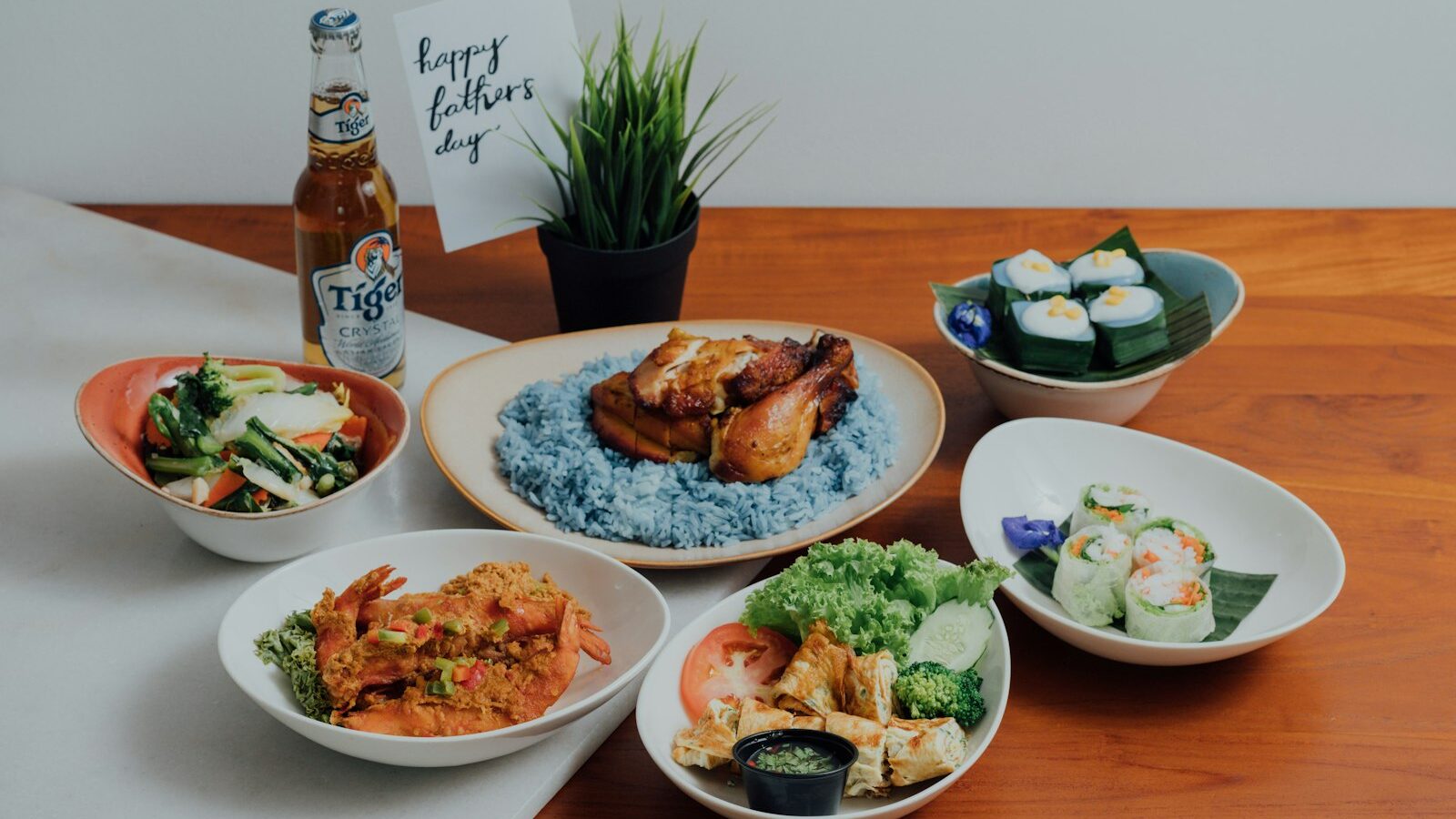
Generous, communal and full of tradition, nasi ambeng is a dish best understood as a shared feast rather than a single plate. Nasi ambeng is a Javanese communal rice platter, piled with an array of dishes and shared from one tray by several people together. This guide explains what nasi ambeng is, the dishes that go on it, and the customs of sharing that make it special.
What nasi ambeng is
Nasi ambeng is a large platter of rice surrounded by a spread of accompanying dishes, traditionally arranged on a single tray and eaten together by a group. Rather than each person receiving an individual plate, the tray is placed in the middle and shared, with everyone helping themselves from the same generous mound of rice and its many toppings.
The dish comes from Javanese culinary tradition, brought and kept alive by the Javanese community in the region, including in Singapore and Malaysia. It is closely tied to the kenduri, a communal feast or thanksgiving gathering often held to mark religious occasions, family milestones and other significant events. In that setting, nasi ambeng is more than a meal; it is a symbol of togetherness, gratitude and sharing, and the act of eating from one tray reinforces the bonds between those gathered.
As a dish rooted in the Muslim Javanese community, nasi ambeng is prepared and served halal. As always, halal status can vary by vendor, so if certification matters to you, it is best to check the specific provider’s current status.
What goes on the platter
Part of the joy of nasi ambeng is the variety, as a single tray brings together a whole spread of complementary dishes. While the exact contents vary by family, region and cook, a traditional platter tends to feature a familiar cast of items.
| Component | What it is |
|---|---|
| Rice | A generous mound of steamed white rice at the centre |
| Ayam | Chicken, often cooked in a spiced or fragrant style |
| Serunding | Sweet, savoury spiced coconut floss, a signature element |
| Sambal goreng | A savoury stir fry, commonly of tempeh, tofu and long beans |
| Mee goreng | A portion of fried noodles tucked alongside the rice |
| Bergedil | Soft, savoury fried potato patties |
| Sayur | Cooked vegetables such as a spiced or braised dish |
Other common additions include fried items, a fish or beef dish, and a sprinkle of fried shallots. The combination is a study in variety, bringing together different textures and flavours, savoury, sweet, spicy and fresh, so that each handful of rice can be paired with something different. The serunding, that fragrant coconut floss, is one of the most beloved and defining elements of the platter.
The tradition of sharing
What truly distinguishes nasi ambeng is not just the food but the way it is eaten. Traditionally, one tray is shared by a group, often four people, who gather around it and eat together. This communal format is at the heart of the dish and carries real cultural meaning, expressing unity, generosity and the spirit of sharing that defines a kenduri.
At the end of a gathering, there is a lovely custom associated with nasi ambeng: guests are often given portions to take home, a practice known as berkat, meaning blessings. The host packs up the remaining food so that everyone leaves with a share to enjoy later, extending the generosity of the feast beyond the table. This gesture of sending guests home with food is a warm and enduring part of the tradition.
Because the dish is bound up with communal and religious custom, it is worth approaching it with a little respect and awareness. When sharing a tray, take your portion thoughtfully, be mindful of others eating from the same platter, and appreciate that you are taking part in a tradition of togetherness, not simply a meal.
Nasi ambeng today
While nasi ambeng remains central to kenduri and family gatherings, it has also become more widely available as an everyday treat. Some stalls and home based businesses prepare it for individuals or small groups, either as a shared tray or packed into single portions for one person to enjoy the whole spread alone. This has made the dish more accessible to those who want to try it outside of a formal gathering.
Ordering a shared platter remains the most traditional and fitting way to experience nasi ambeng, ideally with friends or family gathered around one tray. If you are trying it for the first time, going with a group lets you enjoy the communal spirit the dish is built around. A note on allergens: platters may include ingredients such as peanuts, soy from tempeh and tofu, and gluten from the noodles, so if you have dietary needs, it is worth checking exactly what is included.
How to enjoy it
To make the most of nasi ambeng, gather a group and share one tray in the traditional way. Start with a base of rice and build each mouthful by pairing it with different accompaniments, a little chicken here, some serunding there, a spoon of sambal goreng and a piece of bergedil. The pleasure lies in mixing and matching the many components so that no two bites are quite the same.
Take your time, eat together, and if you are a guest at a gathering, graciously accept any berkat offered to take home. Since specific vendors, prices and availability change over time, it is best to check current information when seeking out a place to order from.
The takeaway
Nasi ambeng is far more than a plate of rice; it is a Javanese communal feast, a generous tray of rice, chicken, serunding, sambal goreng, noodles and more, shared from one platter in a spirit of togetherness and gratitude. Rooted in the kenduri tradition and carried by the Javanese community, it turns a meal into an act of sharing, right down to the blessings sent home with guests. Gather a group, share a tray, and enjoy one of the most warm hearted and communal dishes the local table has to offer.
Explore more
Nasi Padang Guide, Mee Soto Guide, A Guide to Rice Varieties, Must-try Hawker Food in Singapore