
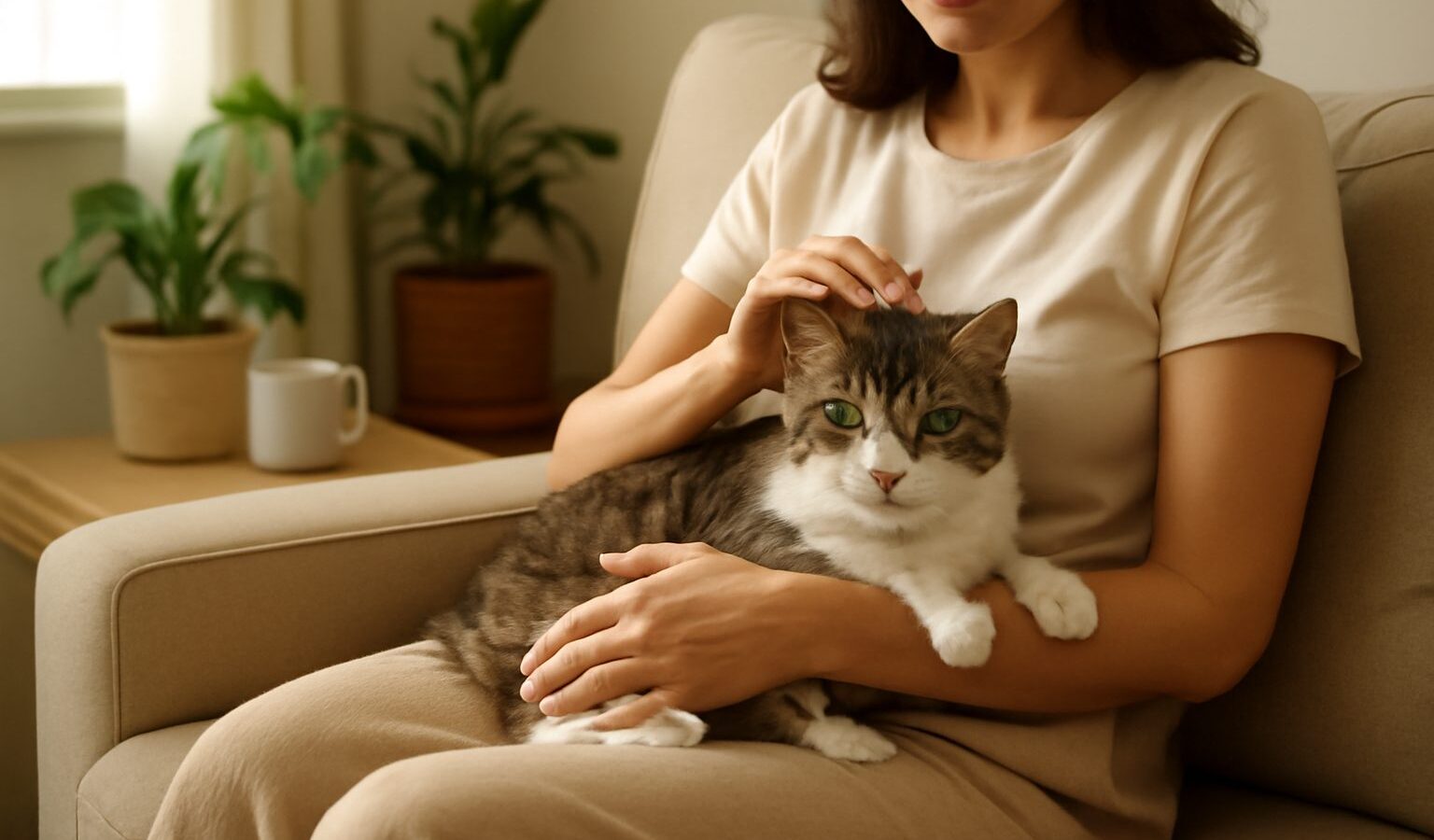
Bringing home an older cat is one of the kindest and most underrated decisions a Singapore household can make. Adopting a senior cat, usually meaning one aged around seven years and above, gives you a companion whose personality is already formed, whose habits are settled, and who often asks for little more than a warm lap and a quiet corner. Kittens are charming, but they are also a whirlwind of energy, mess and unknowns. An adult or senior cat shows you exactly who they are on day one. This guide is general information and not veterinary advice; for any health concern, please see a licensed vet.
Why an Adult or Senior Cat Can Be the Easier Choice
Older cats are frequently overlooked at shelters, yet they suit HDB living beautifully. A settled cat is usually calmer, sleeps for much of the day, and is far less likely to scale your curtains or shred a sofa out of sheer boredom. Because the cat is fully grown, what you see is what you get. Shelter staff and foster carers can tell you whether a cat is affectionate, shy, playful, tolerant of children, or happier as an only pet. That knowledge removes a huge amount of guesswork.
Many older cats also arrive already sterilised, microchipped, vaccinated and litter-trained, which saves you the early hurdles that come with a kitten. For first-time owners nervous about handling a tiny, fragile animal, an adult cat is more robust and more forgiving. For busy professionals and families, a low-key senior who is content to nap while you are at work can be a far better match than a demanding youngster.
Key advantages worth weighing:
- A known temperament, so you can pick a genuine fit for your home.
- Lower energy and less destructive behaviour in a small flat.
- Often already sterilised, microchipped and vaccinated.
- Usually litter-trained and used to living indoors.
- The deep reward of giving an overlooked animal a loving retirement.
Health Considerations Before and After You Adopt
Older cats can be wonderfully healthy, but age does bring a higher chance of chronic conditions such as kidney disease, dental problems, arthritis, an overactive thyroid or diabetes. None of these should put you off; many are managed well for years with the right care. The important thing is to go in informed. Ask the shelter for the cat’s medical history and any known conditions, and arrange a full check-up with a licensed vet soon after adoption so you have a clear baseline.
Watch for changes at home and report them to your vet rather than trying to diagnose them yourself. Common signs worth a professional opinion include drinking or urinating much more than usual, weight loss, bad breath or trouble eating, stiffness when jumping, or a change in appetite or toileting. Do not give any human medication or guess at doses; medication and dosing are decisions only a vet should make. Budget for annual or twice-yearly vet visits, as older cats benefit from closer monitoring, and consider setting aside a small emergency fund or looking into pet insurance while the cat is still well.
Singapore’s hot, humid climate matters too. Keep your cat cool and well hydrated, provide fresh water in several spots, and never leave a cat in a hot, unventilated room. Ask your vet about a suitable diet for the cat’s age and any condition, and speak to them before changing food, as sudden diet changes can upset older cats.
Kitten Versus Adult or Senior Cat: What to Expect
A quick comparison can help you choose with your eyes open. Neither option is better in every way; the right choice depends on your lifestyle, budget and patience.
| Consideration | Kitten | Adult or Senior Cat |
|---|---|---|
| Personality | Still developing, hard to predict | Already known, matched to your home |
| Energy and supervision | High, needs constant watching | Lower, calmer, more independent |
| Training status | Needs litter and house training | Usually litter-trained already |
| Health outlook | Fewer age issues, but unproven | May need managed conditions, monitored |
| Settling time | Adapts fast but chaotic | Slower to trust, then deeply loyal |
Where to Adopt: Licensed Shelters and Rehomers
Always adopt from an AVS-licensed shelter, a registered rehoming group, or a responsible foster network rather than an unlicensed source. Established welfare bodies such as the SPCA, along with reputable community rescues, take in many adult and senior cats and assess each animal’s health and temperament before rehoming. A good shelter will ask you questions too, because a careful match protects both you and the cat.
Before you commit, ask the following:
- What is the cat’s known history, temperament and any medical needs?
- Is the cat already sterilised, microchipped and vaccinated?
- How does the cat cope with other pets, children or being left alone?
- Can you arrange a quiet meet-and-greet before deciding?
Confirm that any pet you take on is kept legally. Only AVS-approved animals may be kept, so if you are unsure about rules for keeping cats in your specific flat, check the current NParks AVS guidance and the current HDB position on cats before you adopt. Doing this homework first spares everyone heartbreak later.
Settling a Senior Cat into an HDB Home
Patience is everything in the first few weeks. An older cat has left behind a familiar routine and needs time to feel safe. Start small by setting up one quiet room with a litter tray, water, food, a cosy bed and a hiding spot such as a covered box. Let the cat emerge in their own time rather than pulling them out to say hello. Sit nearby, speak softly, and let curiosity do the work.
Practical steps that ease the transition:
- Keep the flat calm and predictable, with feeding at regular times.
- Give the cat a raised perch or window view, which many cats love.
- Provide a scratching post to protect furniture and stretch stiff joints.
- Introduce any resident pets slowly, through scent and a closed door first.
- Cat-proof windows and balconies, as HDB heights are a real danger.
Older cats may take days or even a couple of weeks to relax fully, and some hide at first. This is normal. Avoid overwhelming the cat with visitors, and let trust build gradually. Once a senior cat decides you are their person, the bond is remarkably steady and rewarding.
Costs, Commitment and a Compassionate Ending
Be realistic about the responsibility. A cat can live well into its late teens, so even a senior adoption is a long-term commitment of daily care, food, litter and veterinary bills. Older cats may need more frequent check-ups, dental work or ongoing treatment for a chronic condition, and these costs can add up. Planning for them is part of responsible ownership, not a reason to hesitate.
There is also the tender reality that senior cats are nearer the end of their lives. Caring for a cat through its final years, and making compassionate, vet-guided decisions when the time comes, is one of the most loving things a person can do. Many adopters say the gratitude of an older cat, and the peace of giving it a gentle home, is worth every moment. If you have the patience and the heart, adopting a senior cat is a quiet act of kindness that repays you many times over.