
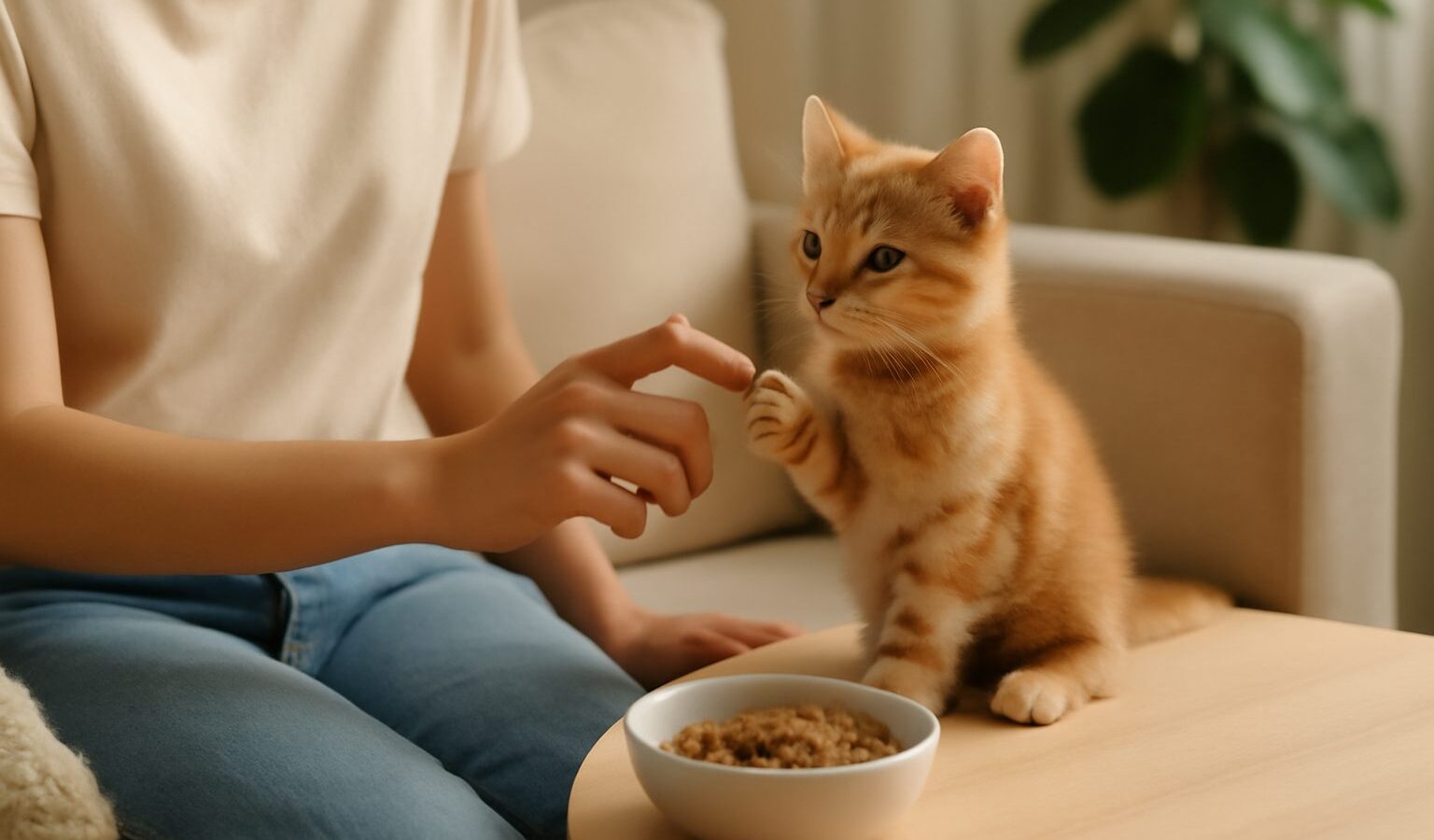
A cat can share your home for fifteen years or more, so choosing a cat singapore families will actually thrive with is worth slowing down for. The cutest kitten in the photo may not be the right match for your flat, your schedule or your patience. This guide helps you decide where to get a cat, whether a kitten or an adult suits you better, and how to read temperament, coat and health so you bring home a companion you are ready for, not just one you fell for.
Adopt first: shelters, SPCA and community-cat fosters
Singapore has no shortage of cats needing homes, so adoption should be your first stop. The SPCA, various animal shelters, and volunteer-run rescue and foster networks all rehome cats and kittens, including many community cats that have been sterilised and socialised. Fosterers can often tell you exactly what a cat is like at home, which is gold when you are matching a cat to your life.
Adoption has real advantages over buying:
- Cats are usually already sterilised, vaccinated and microchipped, or the process is arranged.
- You get an honest read on temperament from people who have lived with the cat.
- You are giving a home to a cat that needs one, rather than fuelling demand.
- Adoption fees are modest compared with buying a pedigree.
Buying from a breeder or shop is legal, but choose carefully. Avoid impulse purchases and anyone who cannot show you the mother, the conditions or the health records. Backyard breeding and impulse buys drive the same cycle of unwanted animals that shelters are left to manage. Whatever route you take, register and comply with current HDB and AVS requirements for cats.
Kitten or adult cat?
Kittens are adorable and endlessly entertaining, but they are also hard work: they climb everything, need frequent feeding, must be socialised and litter-trained, and their adult personality is still forming. An adult cat’s temperament is already visible, it is usually litter-trained, and it is often calmer, which suits busy households and first-time owners better than many expect.
| Consideration | Kitten | Adult cat |
|---|---|---|
| Personality | Still developing, less predictable | Already formed; you see what you get |
| Time and supervision | High; play, feeding, training, cat-proofing | Lower; often already settled and litter-trained |
| Energy level | Very high, needs lots of play | Ranges from lively to laid-back; you can choose |
| Best for | Owners with time and a cat-safe home | First-timers, busy homes, calmer households |
| Adoption note | Kittens are snapped up quickly | Adults wait longest and need homes most |
Neither is better in absolute terms. Match the cat to your reality, not to the picture in your head.
Temperament, energy and one cat or two
Ask to meet a cat before deciding, and watch how it behaves rather than how it looks. Some cats are confident lap-cats, others are shy and slow to trust, and some are high-energy hunters that will scale your curtains. A quiet, gentle adult suits a calm home or an elderly owner; a bold, playful cat suits an active household with time to burn energy.
Should you get one cat or two? Two cats can entertain each other and prevent loneliness, especially if you are out all day, and a bonded pair or two kittens raised together often settle well. But two cats mean double the food, litter, vet bills and space, and an ill-matched pair can clash. If in doubt, start with one, or take a bonded pair the shelter already knows get along.
Take your time meeting a few cats rather than deciding on the first one. Shelters and fosterers expect this, and a good one will steer you towards a cat that fits your household instead of pushing the hardest-to-rehome animal on you. If a cat hides or hisses on a first meeting, that is not always a dealbreaker; nervous cats often blossom once settled, but they need an owner with patience and a quiet home, so be honest about whether that is you.
Coat, grooming and matching a cat to your home
Coat length changes your workload. In Singapore’s heat and humidity, all cats benefit from regular brushing, but long-haired cats such as Persians need daily grooming to avoid mats and can struggle more with the climate. Short-haired cats are lower maintenance and generally cope better with the tropical weather.
Think honestly about your home and time before you choose:
- Small flat, out all day: a calm, independent adult, or a bonded pair for company.
- Family with children: a tolerant, sociable cat rather than a nervous or fragile one.
- First-time owner: an easy-going, already-socialised adult from a fosterer.
- Limited grooming time: a short-haired cat over a high-maintenance long-haired breed.
- Air-conditioned home: still provide enrichment and safe, meshed windows.
Whatever you pick, the home must be ready: mesh every window and grille, since high-rise falls are a leading cause of serious injury in cats here.
Health checks and sterilisation before you commit
Before finalising, arrange or confirm a vet check. A quick look at general condition helps you start on the right foot: clear eyes and nose, clean ears, a healthy coat, good body condition, and alert, responsive behaviour are reassuring signs. Sneezing, discharge, a dull or patchy coat, or lethargy are worth asking about. Reputable shelters and breeders will share vaccination and health records and let a vet examine the cat.
This is general information, not veterinary advice, so have a licensed vet examine any cat you plan to bring home and advise on vaccinations, parasite control and diet for that individual animal. Confirm sterilisation status too: sterilising prevents unwanted litters, curbs spraying and roaming, and is part of responsible ownership in Singapore. Most adopted cats are already sterilised or will be as a condition of adoption; if you take on a kitten, plan for it with your vet at the right age.
Choose with your head as well as your heart, prepare the home properly, and you set both you and your new cat up for a long, happy life together.
Explore more
Weigh the routes to ownership in our guide to adopting vs buying a pet in Singapore, and if you do bring home a young one, read kitten care basics to get the first weeks right.