
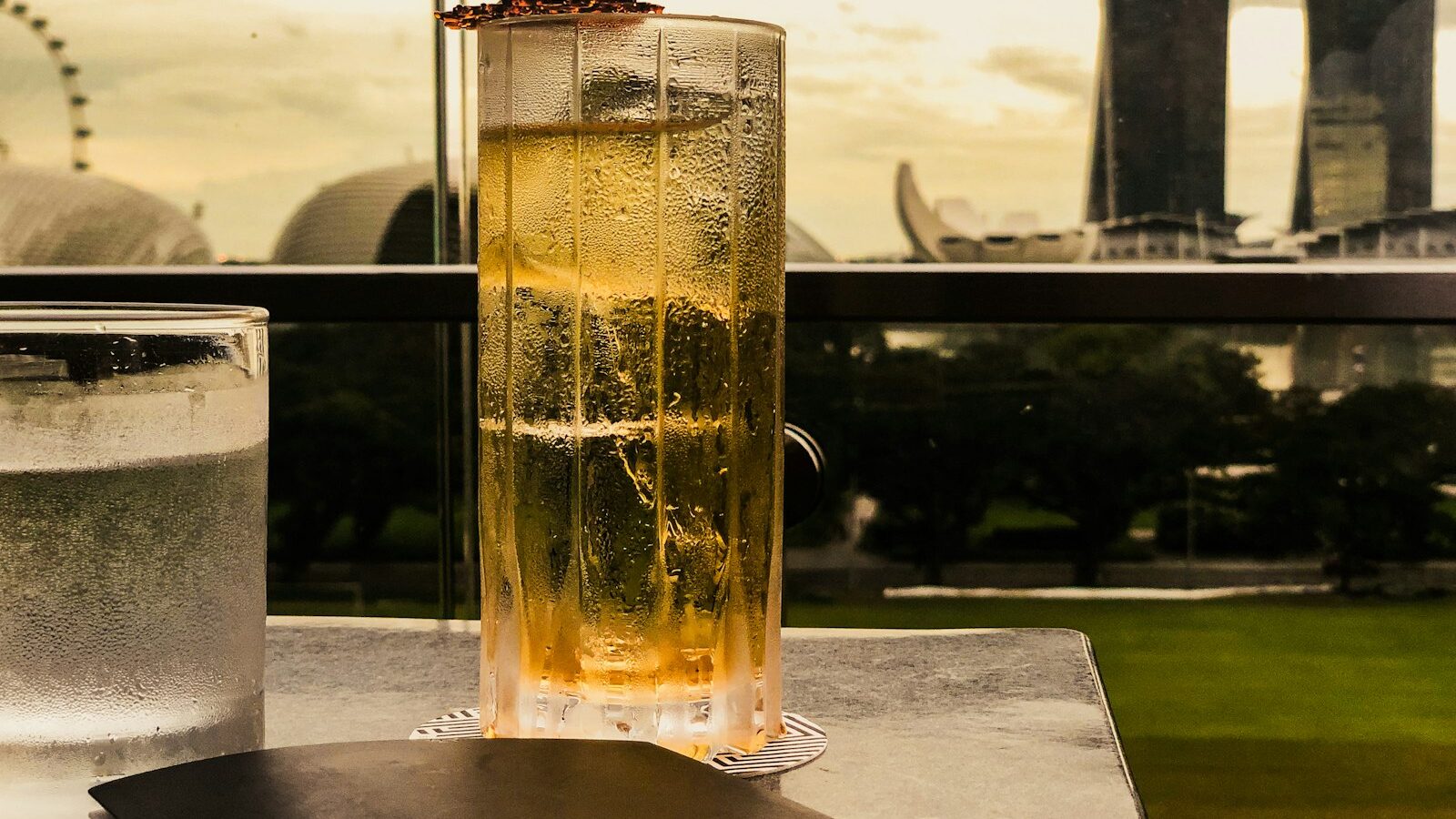
A cold beer after a long week or drinks with friends at the hawker centre is a normal part of life for many people, and there is no need to feel guilty about enjoying a drink. Still, if you train regularly, it is worth understanding how alcohol and fitness singapore fit together, because alcohol does affect the very things that help you get stronger and recover. This is general information to help you make informed, responsible choices, not medical advice.
How alcohol affects your body after training
When you exercise, your body needs to repair muscle, refill energy stores, and rest. Alcohol works against several of these processes at once.
First, it disrupts sleep. You might fall asleep faster after drinking, but alcohol reduces the deep, restorative stages of sleep, so you wake less recovered. Since sleep is when much of your muscle repair and adaptation happens, poor sleep quietly undermines your training.
Second, it interferes with recovery and muscle repair. Research suggests alcohol can blunt the muscle-building response after a workout, so a heavy night can dull the benefit of the session you worked hard for.
Third, alcohol is a diuretic, meaning it makes you lose more fluid. In Singapore’s hot, humid climate you are already sweating plenty, and turning up to a workout dehydrated affects performance and how you feel. Pairing drinks with water and not training while dehydrated makes a real difference.
The calorie side of drinking
Alcohol carries roughly seven calories per gram, nearly as much as pure fat, and these are often called empty calories because they bring little nutrition. Beer, sweet cocktails, and mixers add up quickly, and drinks rarely leave you feeling full, so they sit on top of everything else you eat.
There is also the after-effect. A few drinks often lead to supper, and the next day’s hangover makes it harder to train, cook well, or move much. If your goal is managing weight or body composition, alcohol is one of the easier places to find calories to trim without feeling deprived at meals. For the wider picture, how to manage your weight healthily puts it in context.
Drinking responsibly
The sensible message is not that you must never drink, but that you should drink responsibly and honestly weigh the trade-offs. A few points worth keeping in mind:
- The legal drinking age in Singapore is 18.
- Never drink and drive. Plan your transport home in advance, and take a taxi, ride-hail, or public transport.
- There is no need to overclaim a magic safe amount. Less is generally better for your health, and the risks rise the more you drink.
- Pace yourself, alternate alcoholic drinks with water, and eat while you drink.
- Have alcohol-free days through the week so drinking does not become automatic.
If you feel your drinking is creeping up or is hard to control, that is worth taking seriously. Cutting down on alcohol offers practical, non-judgemental steps, and a doctor can help without any lecture.
Fitting drinks around your training
You do not have to choose between a social life and your goals. Timing helps. Avoid heavy drinking on nights before an important session or race, keep the count modest, and prioritise sleep and hydration around any drinking. Protecting your recovery is one of the most underrated parts of progress, which is why why rest days matter and good sleep habits are worth as much attention as the workouts themselves.
When to speak to a doctor
If you are pregnant, on medication, or managing a health condition, alcohol can carry extra risks and interactions, so it is best to check with a doctor about what is appropriate for you. Persistent trouble cutting down, drinking to cope, or worry about your intake are all good reasons to seek support early.
The practical takeaway
Alcohol is not off-limits for someone who trains, but it does work against sleep, recovery, hydration, and your calorie goals, so the honest approach is moderation and awareness. Drink responsibly, respect the legal age of 18, never drink and drive, and protect the nights before your key sessions. Enjoy your drinks with your eyes open, and your training will thank you for the balance.