
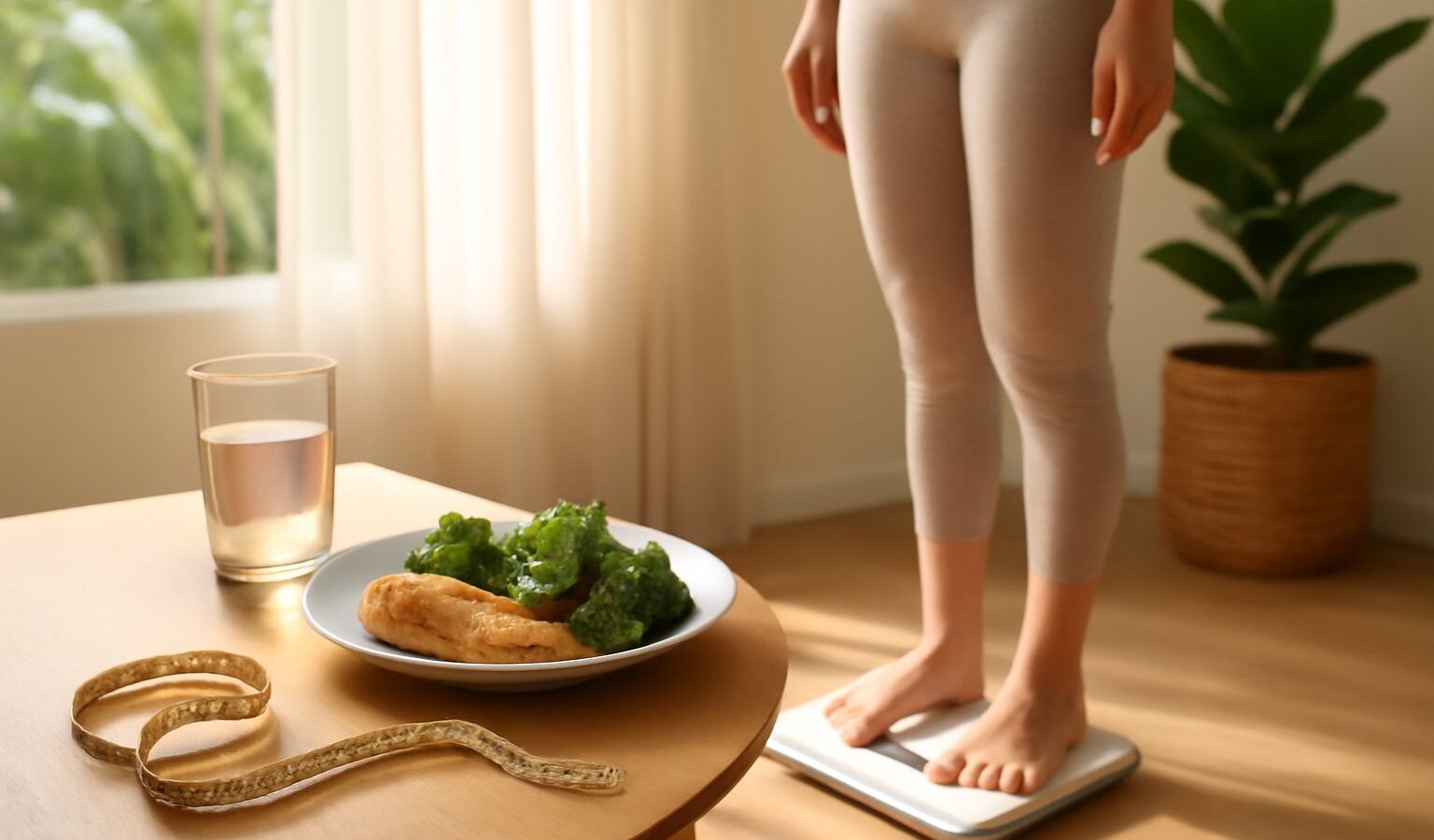
Managing your weight can feel like a stressful, all-or-nothing project, wrapped up in guilt and the latest strict plan. It does not have to be. Healthy weight management in Singapore is really about steady, sustainable habits that fit your everyday life, not punishing crash diets or chasing a number you saw online. This is general information, not medical advice, and it is written to be supportive rather than shaming. Your worth is not measured by the scale, and if you have significant weight concerns or a health condition, please speak to a doctor or dietitian who can guide you properly.

Start With Why, Not Just the Number
Before changing anything, it helps to be clear about your reason. Wanting more energy, better sleep, easier movement, or lower health risks is a healthier motivation than a single target number, because it keeps you focused on how you feel and function. Weight is one signal among many, and it naturally fluctuates day to day with water, food, and hormones, so daily weigh-ins can mislead and discourage.
It is also worth remembering that many things affect body weight, including genetics, age, sleep, stress, medication, and life stage. That is not an excuse to do nothing; it is a reason to be kind to yourself and to focus on habits within your control rather than comparing your body to anyone else’s. Please do not set arbitrary crash targets from social media. Any specific goal weight or rate of change should ideally be discussed with a doctor or dietitian who knows your situation.
Why Crash Diets Usually Backfire
The temptation is always to lose weight fast, and crash diets promise exactly that. The problem is that very restrictive eating is hard to sustain and often rebounds. Sharp cuts in food can leave you tired, hungry, and preoccupied with eating, which sets up the cycle of strict dieting followed by regaining. That cycle can be discouraging and, for some people, hard on their relationship with food.
Slow and steady genuinely works better here. Gradual changes you can keep up tend to hold far better than dramatic ones you abandon within weeks. Think in terms of small habits repeated over months, not a two-week challenge. The aim is a way of eating and living you could happily continue a year from now, hawker meals and family dinners included.
Small, Sustainable Habits That Add Up
You do not need a perfect regime. A handful of realistic habits, done most days, do the heavy lifting over time.
- Fill half your plate with vegetables and watch portion sizes rather than banning foods.
- Choose water or unsweetened drinks over sugary ones most of the time.
- Ask for less rice or noodles at the hawker stall, and lean towards steamed, soup, or grilled options.
- Eat slowly and notice when you feel comfortably full rather than stuffed.
- Move your body in ways you enjoy, whether that is brisk walking, swimming, or the park connector.
- Protect your sleep and manage stress, since both quietly affect appetite and choices.
Notice that none of these require special products or misery. They are gentle nudges you layer in gradually, keeping the ones that stick.
Focus on Habits, Not Just the Scale
It helps to measure progress by what you do, not only by your weight. Habit-based goals are within your control and build momentum, while weight-only goals can feel out of reach and demoralising.
| Approach | What you track | Why it helps |
|---|---|---|
| Habit goals | Vegetables at meals, daily walks, water over soft drinks | Doable daily, builds lasting routines |
| Non-scale wins | Energy, sleep, fitness, how clothes fit | Reflects real health, not water swings |
| Scale-only goals | The number each morning | Fluctuates, can discourage and mislead |
| Extreme targets | Fast, dramatic loss | Hard to sustain, often rebounds |
When you anchor on habits and non-scale wins, a slow week on the scale stops derailing you, and you keep going long enough to see real change.
Be Kind to Yourself Along the Way
Healthy weight management is not about being perfect or punishing slip-ups. One indulgent meal, a festive weekend, or a stressful stretch does not undo your progress, and you do not need to “make up for it” with a crash diet or extra-harsh restriction. That thinking usually backfires. Talk to yourself the way you would to a friend: with encouragement, not criticism.
Bodies also come in different shapes, and health shows up in many ways beyond a single number. Celebrate the walk you took, the vegetables you added, and the sleep you protected. Progress that is calm and steady is progress you can keep.
When to See a Doctor
Please seek professional guidance for significant weight concerns, whether you are trying to lose or gain, especially if you have diabetes, high blood pressure, thyroid issues, or take regular medication, or if you are pregnant or older. A doctor, polyclinic, or accredited dietitian can give you personalised, safe advice and appropriate targets rather than generic internet rules. HPB resources on HealthHub also offer local, sensible guidance on balanced eating and activity.
See a doctor promptly if you have unexplained weight loss or gain, if dieting leaves you dizzy, faint, or unwell, or if you notice a distressing cycle of restricting and bingeing. For any sudden severe symptoms, call 995 or go to A&E. Looking after your weight healthily is a long, gentle process, and asking for help is a sign of strength, not failure.
Explore more
Steady eating habits make weight management far easier, so read healthy meal ideas for busy people and eating more fibre for better health. If you are weighing up a popular trend, our honest look at the truth about fad diets will help you avoid the crash-diet trap.
Frequently Asked Questions
Is BMI an accurate way to judge a healthy weight for Asians? BMI is only a rough screening tool, and it does not show where fat sits or how much muscle you have. Asian populations are often assessed with different cut-offs, so check the Health Promotion Board’s guidance on HealthHub. A doctor can look at your waist, blood tests and history too.
What should I do when my weight stops going down? Plateaus are common and do not mean you have failed. Look at habits such as portions, sugary drinks, sleep and movement before changing anything drastic. Judge progress by energy and fitness as well as the scale, and see a dietitian if you stay stuck.
Can I manage my weight with diet alone, or do I need to exercise? Eating habits usually have the bigger effect on weight, but regular movement helps your heart, mood, sleep and strength. It does not need to be a gym routine. Brisk walking, swimming or the park connector all count, so pick something you actually enjoy.
Are weight-loss pills or injections safe to use? Some weight-loss medicines are prescribed for certain medical conditions, but they are not casual products and carry risks. Never buy unregistered pills or injections online. Talk to a doctor, who can assess whether any treatment suits you and monitor you properly.
How do I stay on track during family gatherings and festive meals? Aim for balance across the week rather than perfection at one meal. Fill your plate with vegetables first, eat slowly and enjoy small portions of the treats you like. One heavy meal does not undo your progress, so skip the guilt and return to your routine.
Official sources: Health Promotion Board
Further reading: GLP-1 Weight Loss Medications in Singapore: What to Know · Childhood Obesity and Healthy Weight