
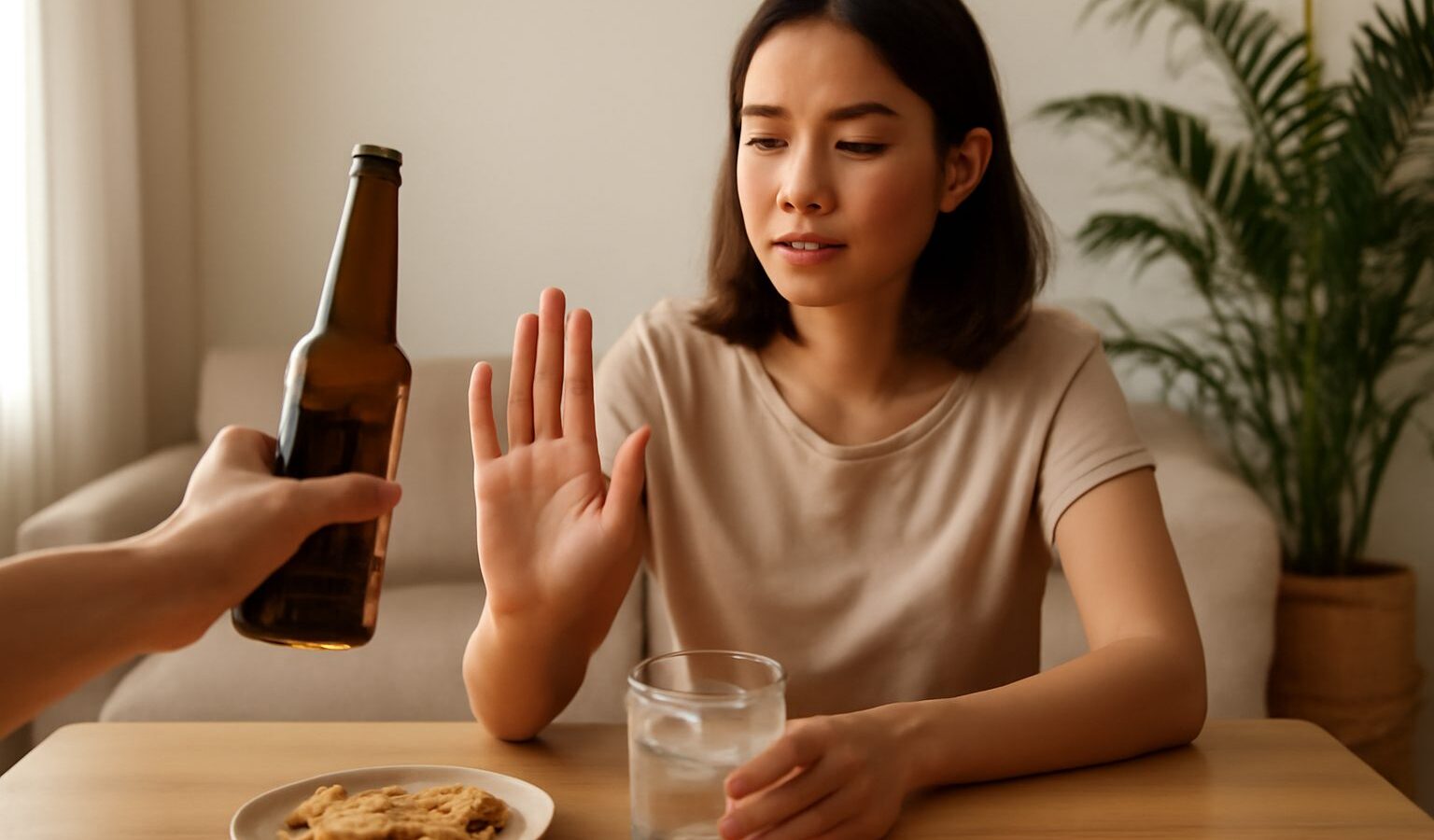
Whether you want to feel sharper in the mornings, sleep better, save money, or simply drink a little more mindfully, cutting down alcohol in Singapore is a goal more and more residents are choosing. You do not have to give up drinking entirely to benefit, and you do not need to have hit a crisis point to decide that less is better for you. This guide covers why cutting back helps, practical strategies that work, how to recognise when drinking has become a problem, and where to find supportive, non-judgemental help. It is general information, not medical advice, so please speak to your GP or a healthcare professional about your own situation.
Why Cutting Down Helps
Drinking less, even moderately less, can bring noticeable changes to how you feel day to day. Many people report clearer mornings, steadier energy, and better sleep quality once alcohol is not disrupting their rest. Cutting back can also support your mood, since alcohol can worsen anxiety and low feelings for some people, and it eases the load on your body over time.
There are practical upsides too. Reducing how much you drink often means spending less, eating a little better, and feeling more present with family and friends. Over the longer term, drinking within lower-risk levels reduces strain on your health. If you have a specific medical condition or take regular medication, it is worth asking your doctor how alcohol fits into your overall picture, since the right amount varies from person to person.
Practical Strategies That Work
Cutting down is easier when you have a plan rather than relying on willpower in the moment. Some widely used, sensible strategies include:
- Set a clear goal. Decide on specific limits, such as certain alcohol-free days each week or a cap on how much you drink in one sitting.
- Track what you drink. Keeping a simple note, or using a tracking app, makes it easier to see patterns and stay honest with yourself.
- Pace and space. Alternate each alcoholic drink with water, sip slowly, and avoid topping up a glass before it is empty so you can count what you have had.
- Change the setting. If certain places or company always lead to heavy drinking, plan different activities or suggest meeting for coffee, a meal, or a walk instead.
- Have alcohol-free days. Regular days off help break the habit loop and show you that socialising and unwinding do not depend on a drink.
- Try the alternatives. Singapore now has a wide range of low- and no-alcohol drinks, which make it easier to join a round without matching it drink for drink.
If you find that cutting down is much harder than expected, or that stopping makes you feel physically unwell, do not simply push through. Speak to a doctor, because for some people reducing alcohol needs medical guidance to be done safely.
Recognising When Drinking Is a Problem
It can be hard to judge your own relationship with alcohol, partly because drinking is so woven into social life. Rather than focusing on labels, it helps to notice honest signs that drinking may be causing harm. General signs that are worth paying attention to include:
- Finding it hard to stop once you start, or drinking more than you intended.
- Needing more alcohol than before to get the same effect.
- Feeling anxious, shaky, or unwell when you have not had a drink.
- Drinking to cope with stress, sleep, or difficult emotions.
- Alcohol affecting your work, relationships, mood, or health.
- Others expressing concern, or feeling guilty or secretive about how much you drink.
Noticing one or more of these does not mean you should panic, but it is a good reason to talk to a professional. The table below offers a general sense of when self-help may be enough and when it is wise to seek support.
| Situation | General approach | When to seek help |
|---|---|---|
| Wanting to drink a bit less for health | Self-directed limits, tracking, alcohol-free days | See a GP if you are not making progress |
| Struggling to stick to your limits | Structured plan, support from friends or family | Talk to a GP for tailored guidance |
| Physical symptoms when you cut back | Do not stop abruptly on your own | See a doctor promptly for safe guidance |
| Drinking affecting mood, work, or relationships | Reach out early rather than waiting | GP, IMH, or a confidential helpline |
If you are ever worried about your immediate safety or someone else’s, seek help without delay.
Where to Get Help in Singapore
Reaching out is a strength, and support in Singapore is confidential and non-judgemental. A good first stop is your GP or polyclinic doctor, who can talk things through in private, consider your overall health, and point you toward the right next step. For concerns involving alcohol and mental wellbeing, the Institute of Mental Health (IMH) offers specialist services, and your GP can help with a referral if needed.
There are also helplines where trained staff can listen and guide you, including services focused on addiction and on general emotional support. Because contact numbers and operating hours can change, please look up the current details on HealthHub, the IMH website, or the relevant helpline’s own site rather than relying on an old number. If you prefer to start anonymously, a phone call can be a gentle first step before any face-to-face appointment.
Being Kind to Yourself Along the Way
Changing a drinking habit is rarely a straight line, and setbacks are part of the process rather than proof of failure. Celebrate small wins, notice how much better you feel on alcohol-free mornings, and lean on people who support your goal. If one strategy does not click, try another, and give yourself credit for making the effort at all.
Above all, remember that you do not have to figure this out alone. Whether you want to trim back a little or you are worried things have gone further than you would like, a supportive conversation with a professional can make all the difference.
This article is general information and not a substitute for personalised medical advice. For guidance suited to your own circumstances, please consult your GP, a polyclinic doctor, IMH, or another qualified professional, and look up current helpline numbers on HealthHub or the relevant organisation’s website.
Explore more
For related reading, see our mental health resources in Singapore guide if stress or low mood is part of why you drink, and our health screening in Singapore guide to stay on top of your overall wellbeing. To build healthier routines as you cut back, our eating healthy on a budget guide is a friendly place to start.