
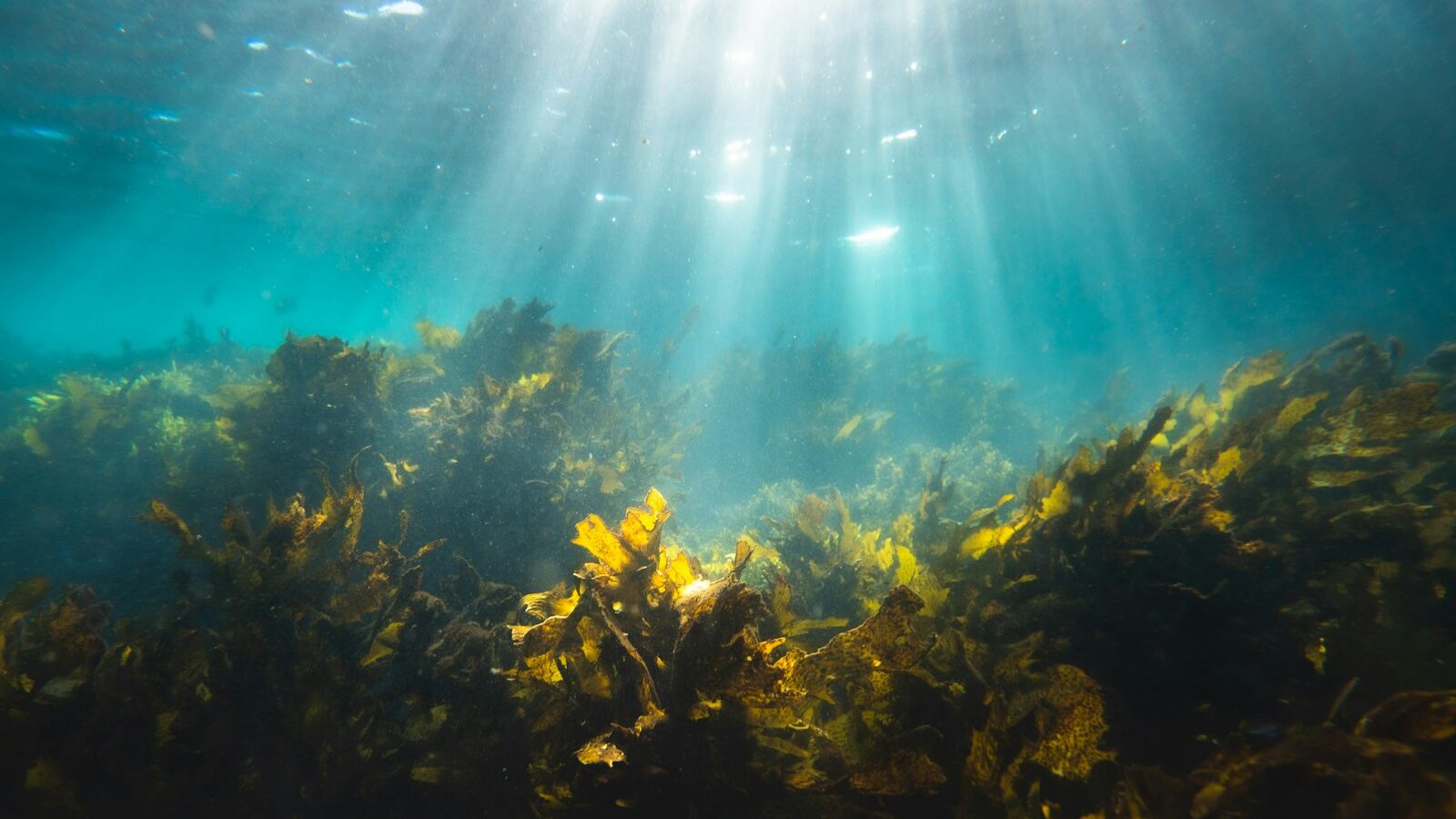
Algae and seaweed have a long history in beauty rituals around the world, from spa wraps to hydrating masks, and they keep turning up in modern serums and moisturisers. If you have been curious about seaweed skincare singapore trends, the appeal is easy to understand. These marine ingredients are generally hydrating, soothing, and rich in the kind of naturally occurring compounds that help skin feel comfortable, which fits nicely with our warm, sticky climate.
This guide keeps things practical. We will look at what algae and seaweed actually bring to skincare, sort the sensible expectations from the marketing shine, and talk through how to use them without overloading your routine. This is general cosmetic information, not medical advice.
What Algae And Seaweed Bring To Skin
Algae is a broad term that covers a huge range of organisms, from tiny microalgae to the large seaweeds you might see at the beach. In skincare, you will usually find them listed as extracts, ferments, or specific named seaweeds. What they tend to have in common is a good dose of naturally occurring sugars, minerals, and antioxidants, which is why they are often used in products that aim to hydrate and calm.
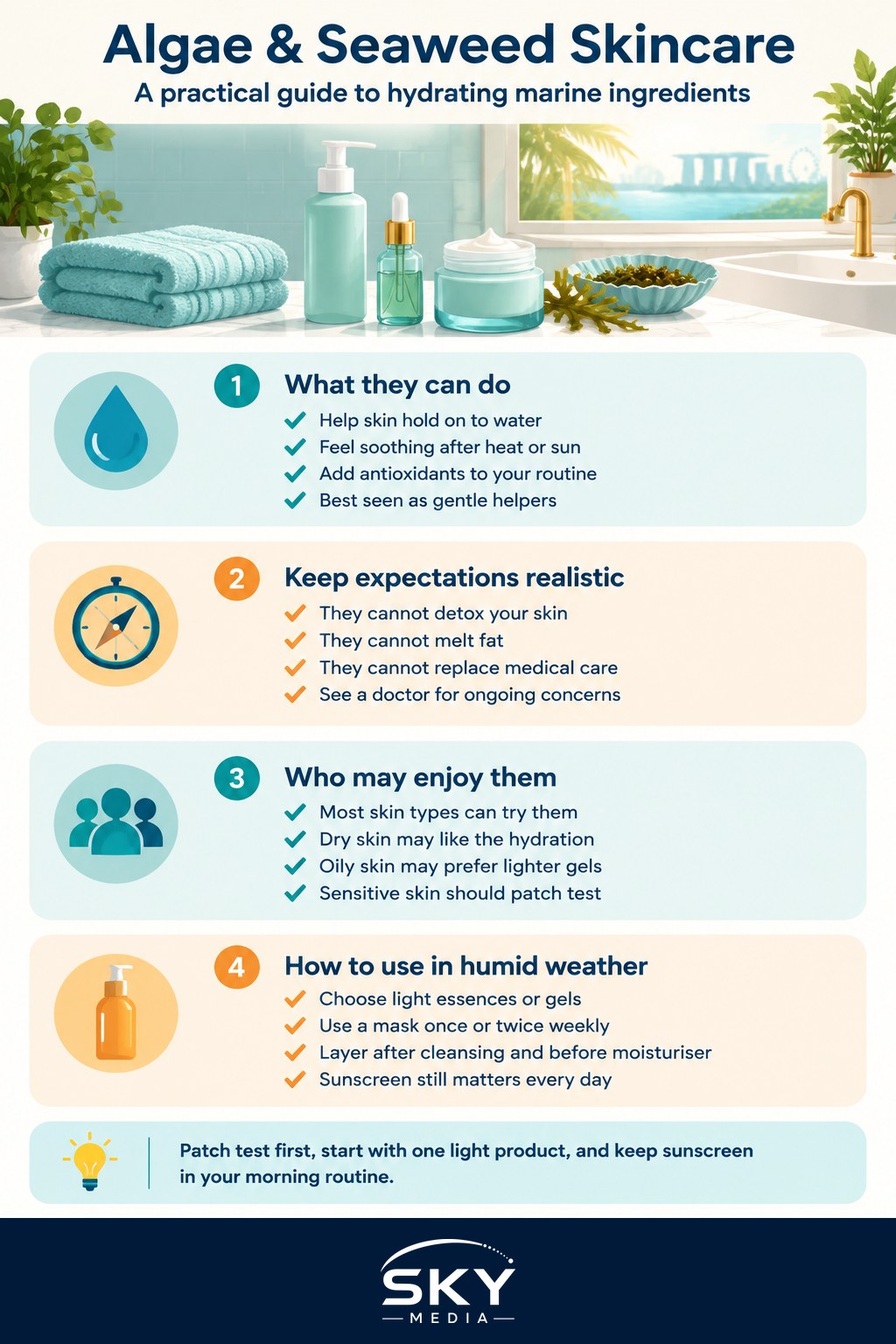
The most reliable benefit is hydration. Many seaweed-derived ingredients act like humectants, helping skin hold on to water and feel plumper and less tight. Some also have a soothing, comforting quality, which makes them popular in masks and gels designed to settle skin after sun, heat, or general daily stress. There is also antioxidant interest, since marine plants naturally produce protective compounds, though a face cream is a supporting act rather than a substitute for sunscreen.
It helps to see these ingredients as part of the gentle, hydrating family rather than as a strong active. If you want a sense of how hydrators differ from moisturisers that seal skin, our explainer on hydrating vs moisturising your skin lays out the difference in plain terms.
Realistic Expectations, Not Ocean Magic
Marine ingredients often come wrapped in dreamy language about the sea and detoxing, so it is worth staying grounded. Seaweed and algae can hydrate, soothe, and add antioxidants, and that is genuinely useful. What they cannot do is detox your skin, melt fat, or replace medical treatment for a real condition. Skin does not absorb ingredients the way a sponge soaks up water, and no topical product removes toxins from your body.
If you are dealing with persistent acne, eczema, rosacea, or any reaction that will not settle, a marine mask is not the answer. Please see a doctor or dermatologist, who can properly assess what is going on. Seaweed skincare is a pleasant enhancement to a sensible routine, not a cure.
There is also variety to keep in mind. Because algae covers so many different species and extracts, two seaweed products can behave quite differently depending on what is inside. Reading the label matters, and our guide on how to read a skincare label can help you work out whether a product is mostly hydrating, soothing, or something else.
Who Suits Seaweed, And Patch Testing First
Most skin types can enjoy algae and seaweed ingredients. Dry and dehydrated skin often loves the hydration, while oily and combination types can appreciate lighter marine gels that do not feel heavy in the humidity. Sensitive skin may find certain soothing seaweed formulas comforting, but sensitive skin also needs the most caution, because marine extracts can occasionally cause reactions, and finished products contain fragrances and preservatives too.
For anyone, a patch test is the smart move before slathering a new product all over your face. Our step-by-step on how to patch test new skincare shows a simple way to check tolerance over a few days. If you have a known allergy to iodine or seafood, be extra careful and consider checking with a doctor first, since some marine ingredients may not suit you.
As with any new addition, introduce one product at a time. That way, if something disagrees with your skin, you will know exactly which item to blame rather than guessing across a whole shelf.
How To Use It In Singapore’s Climate
In our humid weather, lighter textures usually win, and seaweed skincare offers plenty of them. Hydrating essences, gel moisturisers, and cooling sheet or wash-off masks all work well. A refreshing seaweed mask can feel especially nice after a hot, sweaty day outdoors, and mask fans might enjoy our broader tips in face masks and sheet masks.
A straightforward routine could look like this:
- Cleanse to remove sweat, sunscreen, and grime.
- Apply a hydrating seaweed serum or essence to damp skin.
- Follow with a light moisturiser to seal in the hydration.
- Use a soothing seaweed mask once or twice a week if you enjoy it.
- Wear sunscreen every morning, since antioxidants support but do not replace it.
You do not need every marine product at once. One well-chosen hydrating or soothing item is usually enough to enjoy the benefits without crowding your routine.
To finish, algae and seaweed are a lovely, hydrating addition for Singapore skin that battles sun, sweat, and aircon dryness. Treat them as gentle helpers rather than miracle cures, patch test before you commit, keep your layers light, and always keep sunscreen in the picture. For anything that looks or feels like a genuine skin problem, a doctor remains the right person to see.
Frequently Asked Questions
Can I use seaweed skincare if I am allergic to seafood or iodine? Be extra careful and check with a doctor first, since some marine ingredients may not suit you. Patch-test over a few days before wider use, and introduce one product at a time so you know what caused any reaction.
Does a seaweed mask detox my skin? No, no topical product removes toxins from your body, and skin does not absorb ingredients like a sponge. Seaweed masks can hydrate and soothe, which is genuinely nice, but treat them as a pleasant extra.
How often should I use a seaweed mask? Once or twice a week is enough if you enjoy it, particularly after a hot, sweaty day outdoors. You do not need every marine product at once, as one well-chosen item is usually plenty.
Is seaweed skincare suitable for sensitive skin? Some soothing seaweed formulas feel comforting, but sensitive skin needs the most caution, as marine extracts can occasionally cause reactions and finished products also contain fragrance and preservatives. Patch-test first.
Do seaweed antioxidants mean I can skip sunscreen? No. Antioxidants from marine plants support the skin but do not replace sunscreen. Keep applying broad-spectrum sunscreen every morning, especially under Singapore’s strong year-round UV.
Further reading: Ectoin in Skincare · Honey in Skincare · Mushroom Skincare and Tremella