
Fungi have quietly become one of the more interesting categories on ingredient lists, and mushroom skincare in Singapore is having a moment for good reason. In a hot, humid city where skin swings between midday sweat and evening aircon dryness, ingredients that hydrate and calm without feeling heavy are always welcome. Mushrooms such as tremella, reishi, chaga, and shiitake show up in serums, essences, and moisturisers, each bringing a slightly different set of properties. This guide explains what these ingredients are, what they may do for your skin, and how to use them sensibly. As with everything on your shelf, treat this as general cosmetic information rather than medical advice, and patch test anything new.
What Is Tremella and Why It Turns Up So Often
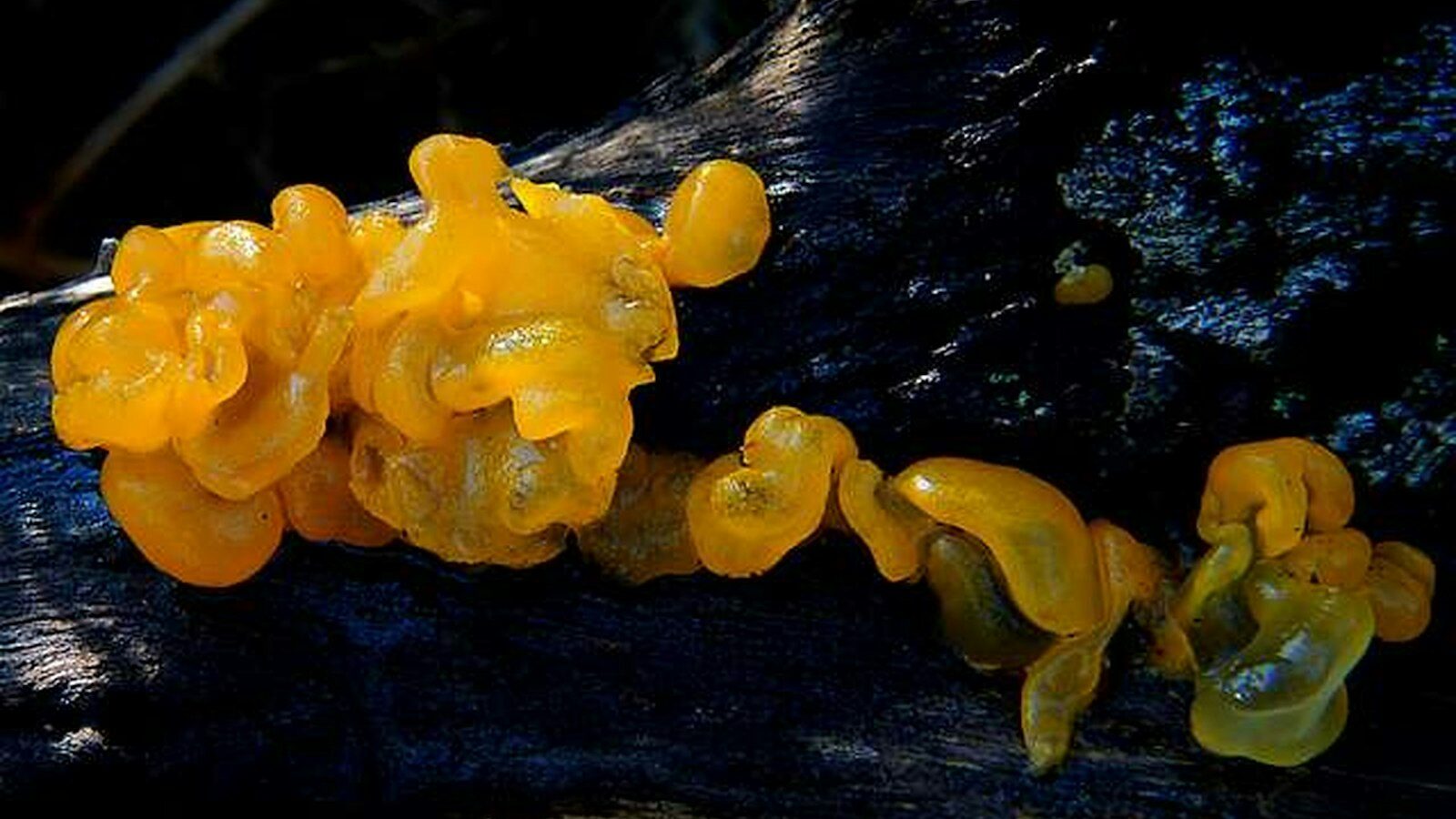
Tremella fuciformis, often called snow mushroom or silver ear fungus, is the star of the mushroom skincare world. It has a long history in food and traditional preparations across East Asia, and skincare formulators like it for one main reason: it is an excellent humectant, meaning it draws water into the skin. It is frequently compared to hyaluronic acid because both hold a large amount of water relative to their weight. Some formulators suggest tremella particles are smaller, which may help them sit comfortably in lightweight textures, though marketing claims often run ahead of published evidence, so it is fair to see it as a pleasant humectant rather than a miracle upgrade.
For Singapore skin, a good humectant is genuinely useful. Aircon and long commutes can leave the surface dehydrated even when your face feels oily. Tremella-based essences and serums tend to feel watery and absorb quickly, which suits our climate far better than rich creams during the day. If you already understand how water-loving ingredients behave, our guide to hyaluronic acid explained covers the same humectant principles that apply to tremella.
Other Mushrooms You Will See on Labels
Beyond tremella, a few other fungi appear regularly:
- Reishi (Ganoderma): often described as soothing and antioxidant-rich. It is popular in products aimed at calming the look of stressed or reactive skin.
- Chaga: marketed for its antioxidant content, usually in brightening or protective formulas.
- Shiitake: sometimes included as a source of kojic acid, which has a reputation for helping with the look of uneven tone.
- Cordyceps and tremella blends: promoted for a general hydrating and comforting feel.
The honest position on all of these is that laboratory and ingredient studies are promising but skincare-specific human evidence is still limited for many of them. Antioxidants in general can support skin against everyday environmental stress, which matters under Singapore’s strong year-round UV, but no serum replaces sunscreen. If a brand promises dramatic results, be sceptical. A well-formulated mushroom product is a nice supporting player, not a cure.
How to Fit Mushroom Skincare Into a Singapore Routine
Mushroom ingredients are generally gentle, which makes them easy to slot in. A typical approach:
- Cleanse as usual.
- Apply a tremella or mushroom essence or serum onto slightly damp skin so the humectant has water to grab.
- Seal with a light moisturiser suited to humid weather so the hydration does not simply evaporate.
- In the morning, finish with broad-spectrum sunscreen.
Because humectants can pull moisture from the air or from deeper skin depending on conditions, always follow them with a moisturiser, especially in dry aircon environments. If you are new to building a regimen, start with our guide to building a skincare routine and to layering your skincare in the right order, then treat the mushroom step as your hydrating serum.
Mushroom ingredients also pair nicely with other calming actives. If your skin runs sensitive or looks easily flushed, you might combine them with familiar soothing ingredients, and our overview of centella and cica for calming skin explains that supporting cast.
Safety, Patch Testing, and Realistic Expectations
Fungi are common food allergens for some people, so a patch test matters more than usual here. Apply a small amount to your inner arm or behind the ear for a few days before using it on your face, and follow our step-by-step method for how to patch test new skincare. Introduce only one new product at a time so that if something reacts, you know the culprit.
Mushroom skincare is best understood as hydrating and comforting, with some antioxidant support. It is not a treatment for acne, rosacea, eczema, or any medical skin condition. If you have persistent breakouts, ongoing redness, itching, flaking, a suspicious mole or spot, or any reaction that worsens, please see a doctor or dermatologist rather than relying on a trend ingredient. Pregnancy, sensitised skin, or a history of fungal allergies are all good reasons to check with a professional first.
Used with realistic expectations, mushroom skincare in Singapore can be a lovely, lightweight way to keep skin hydrated and calm through our humid days and dry aircon nights. Start slow, keep the rest of your routine simple, and let sunscreen do the heavy lifting on protection.