
The Asian Civilisations Museum is one of Singapore’s most beautiful and rewarding places to spend a few hours, and this guide will help you make the most of it. Set in the stately Empress Place Building right on the Singapore River, the museum tells the story of Asia through the objects that travelled, traded and shaped cultures across the continent. It is thoughtful without being stuffy, generous with space and light, and just as welcoming to a curious newcomer as to a seasoned museum-goer. Below you will find what to expect, the galleries not to miss, and practical tips for a smooth, unhurried visit.
One thing to keep in mind before you go: exhibitions, ticket prices and opening hours change from time to time, and special shows come and go. Use the details here as a rough guide and confirm the current programme, timings and admission on the museum’s official website before you set out.
What Makes This Museum Special
Unlike a museum organised strictly by country, the Asian Civilisations Museum is built around connection: how ideas, faiths, materials and craftsmanship moved between the cultures of Asia and out into the wider world. That storytelling approach makes the collection feel alive and surprisingly personal, because you keep spotting the threads that link distant places.
The setting adds to the appeal. Empress Place is a grand nineteenth-century building beside the river, a short stroll from the Fullerton area and the civic district, so a visit pairs naturally with a riverside walk. Inside, the galleries are calm, cool and easy to navigate, which makes it a lovely refuge on a hot Singapore afternoon.
The Galleries and What to See
The museum is arranged over several floors, with themed galleries that reward slow looking. Displays are refreshed over time, so treat the highlights below as a starting point rather than a fixed checklist.
- Trade and the exchange of cultures. Galleries exploring how maritime trade carried goods and ideas across Asia, often anchored by one of the museum’s most famous holdings, a cargo of ceramics and treasures recovered from a ninth-century shipwreck.
- Faith and belief. Sculpture and devotional art spanning Buddhism, Hinduism, Islam and Christianity, shown with care and clear, respectful context.
- Materials and craft. Rooms devoted to ceramics, jewellery, textiles and metalwork that showcase extraordinary skill across centuries.
- Special exhibitions. Temporary, often ticketed shows that bring in loans and fresh themes, so there is usually something new even for repeat visitors.
Take your time with the wall labels; they are written to be readable and genuinely add to the objects in front of you. If you prefer structure, look out for guided tours and audio guides, which can make a first visit far richer.
A useful way to approach the collection is to pick a single thread and follow it through the building. You might trace ceramics from the kiln to the trading ship to the dining table, or follow a religious motif as it changes shape from one culture to the next. Because the museum is arranged around exchange rather than borders, these journeys through the galleries feel like small stories, and they save you from the tiredness that comes with trying to look at everything at once.
Planning Your Visit
A little planning makes the day smoother. Here is a rough comparison to help you decide how to approach it.
| Visit style | Time to set aside | Good for | Note |
|---|---|---|---|
| Quick highlights | About one hour | Busy schedules, kids | Focus on one or two galleries |
| Relaxed full visit | Two to three hours | Most visitors | Add the special exhibition |
| Deep dive | Half a day | Enthusiasts | Join a guided tour, take breaks |
| River combo | Half to full day | Explorers | Pair with a riverside walk |
- Getting there. The museum sits in the civic district by the Singapore River and is easy to reach by MRT and a short walk, or by bus. It is well signed once you are in the area.
- Tickets. Singapore residents and citizens often enjoy concessionary or free entry to the permanent galleries, while special exhibitions and tourists are typically ticketed. Check the current rates and any free-admission schemes before you go.
- Timings. The museum keeps regular daily hours with occasional late openings on certain evenings. Confirm the day’s timing online, especially around public holidays.
- Facilities. Expect a museum shop, a cafe or dining option nearby, cloakroom facilities and step-free access; check accessibility details in advance if you need them.
Making a Day of It by the River
One of the joys of this museum is where it sits. Step outside and you are in the heart of Singapore’s civic and riverside district, surrounded by heritage buildings, public art and easy walking routes. You can wander along the Singapore River toward Boat Quay or Clarke Quay, admire the statues and bridges, and stop for a coffee or a meal with a view.
The area also puts you within reach of other cultural landmarks, so the museum works well as the centrepiece of a wider arts-and-heritage day out. If the weather turns, the surrounding malls and covered walkways give you plenty of sheltered options nearby.
Tips for First-Time Visitors
- Go early or late. Mornings and the final couple of hours before closing are usually quieter.
- Wear light clothing but bring a layer. The galleries are strongly air-conditioned.
- Do not rush. Pick a few galleries to enjoy properly rather than skimming everything.
- Check for talks and tours. Free guided tours, when running, are a wonderful way to understand the collection.
- Respect the displays. Follow photography and no-touch rules, and be mindful in the religious art galleries.
Approach it with curiosity and a little patience, and the Asian Civilisations Museum offers one of the most memorable, good-value cultural outings in the city.
Explore more
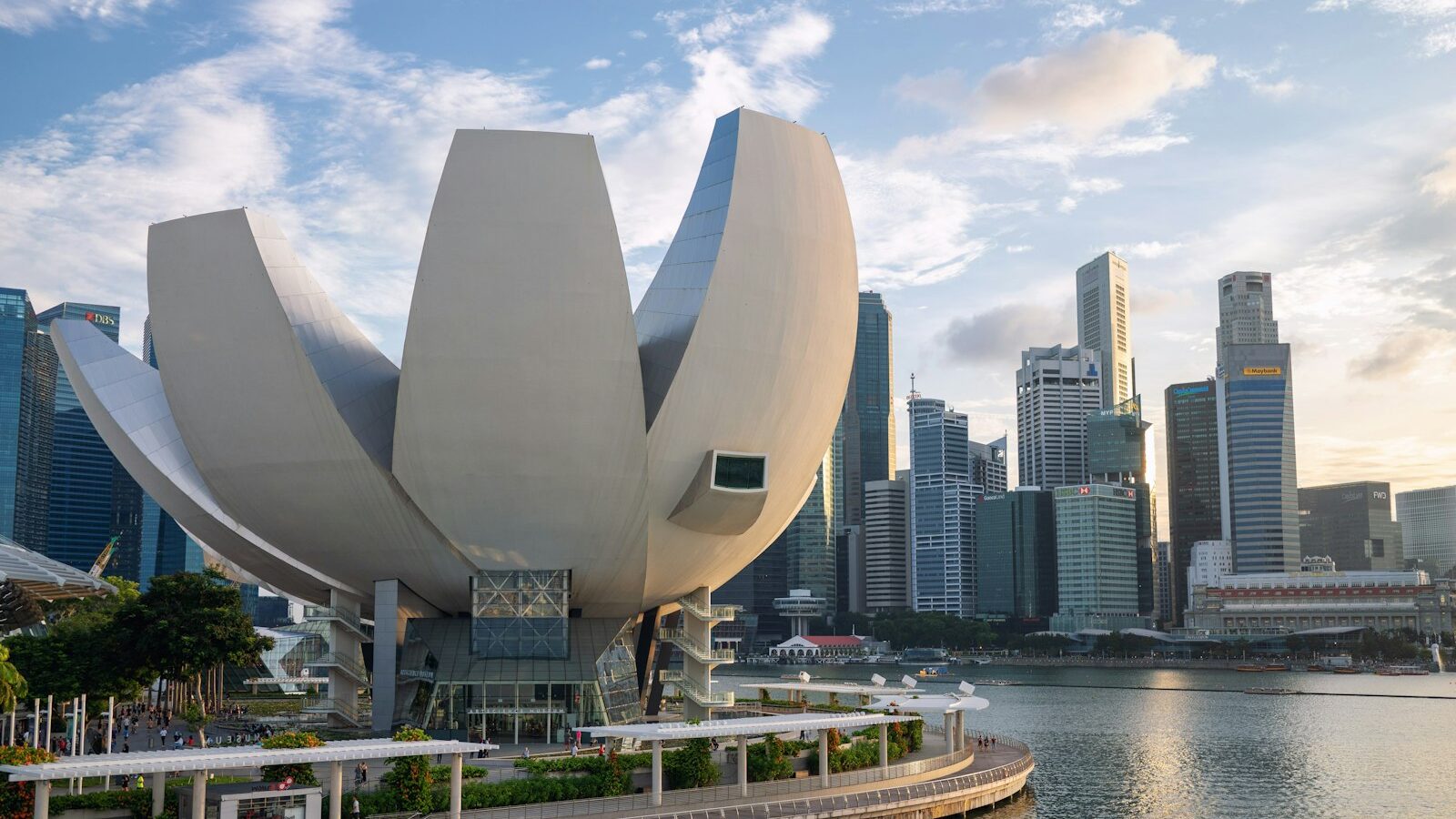
For the wider picture of the country’s museum scene, our National Museum of Singapore guide is a natural companion, and the ArtScience Museum guide covers a very different, more immersive experience at Marina Bay. To keep costs down, see our roundup of free museums and passes in Singapore before you plan your day.
Related across Sky Media: Asian Civilisations Museum: A Visitor Guide to Empress Place