
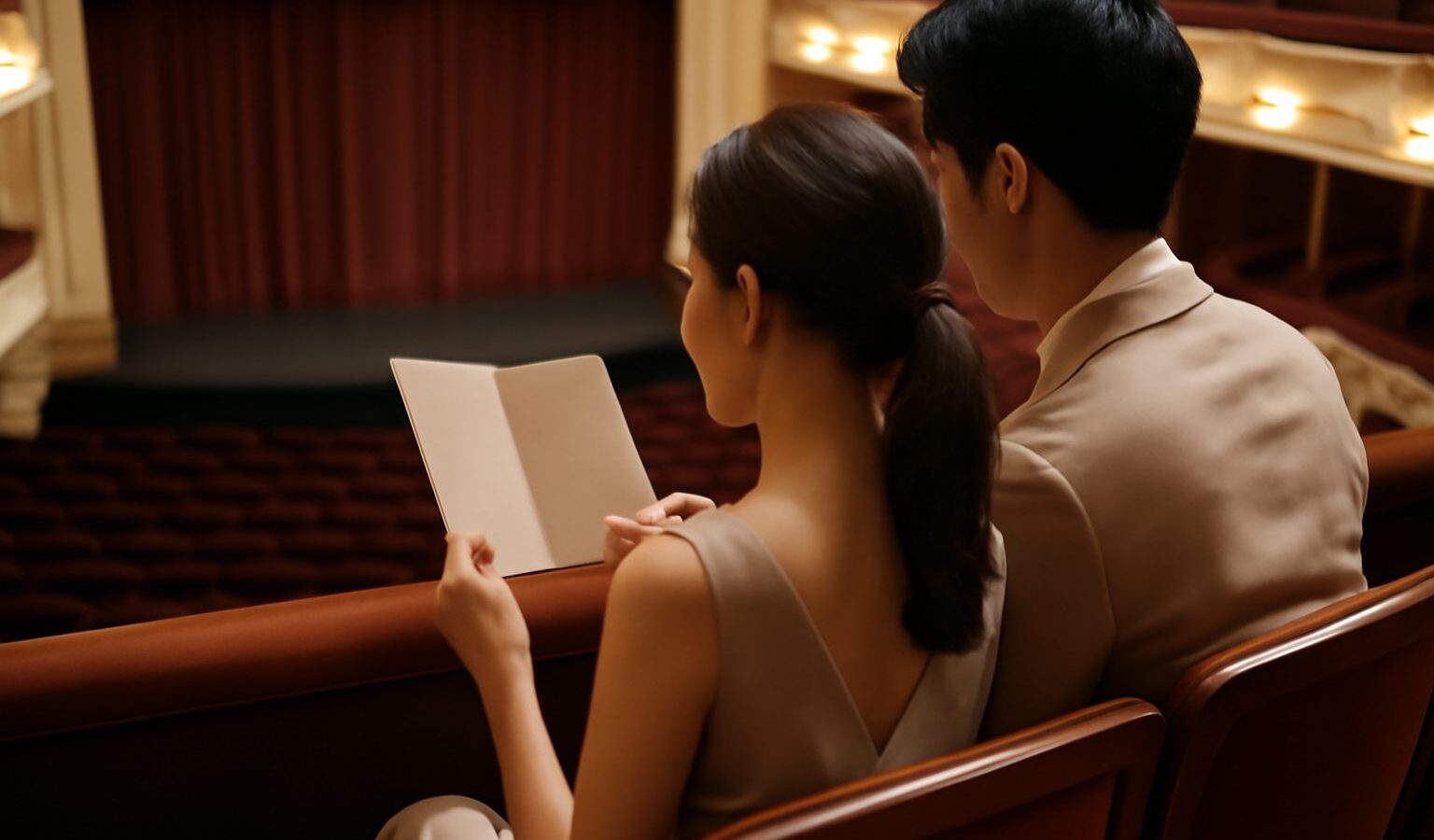
Attending the opera can feel like stepping into a world that was not quite built for you. All that soaring singing, the grand costumes, the language you may not speak. Yet opera was once popular entertainment, made for ordinary people who wanted a big story told with big emotion. In Singapore, where touring companies and local ensembles stage productions across the year, there has never been a friendlier time to go. You do not need to know a single aria in advance. You just need a little curiosity and this short guide.
The truth is that opera rewards beginners generously. The music is designed to move you before you understand every word, and the plots, once you strip away the fancy setting, are about love, jealousy, ambition and loss. If you can enjoy a film with a sweeping score, you already have everything you need to enjoy a night at the opera.
Why Opera Is Worth Trying
Opera is one of the few art forms where the human voice does all the heavy lifting, with no microphones in a traditional staging. When a singer fills a large hall using breath and technique alone, the effect in the room is something a recording can never fully capture. That live thrill is the main reason to go in person rather than watch a clip at home.
There is also the spectacle. A full production brings together an orchestra, a chorus, elaborate sets, lighting and costumes, all working towards a handful of overwhelming moments. Even if the story is unfamiliar, the craft on display is easy to admire. Many first-timers are surprised by how emotional they feel by the final act, even when they cannot explain exactly why.
Finally, opera is a shared cultural inheritance. Attending the opera connects you to audiences stretching back centuries, and to a living scene of performers and fans right here. It is a lovely thing to be part of, and far less exclusive than its reputation suggests.
Choosing Your First Production
Not every opera is an ideal first outing, so a little thought here pays off. As a beginner, lean towards a well-known, shorter, more tuneful work with a clear story. Comedies and romances tend to be gentler on newcomers than long, dense tragedies. Ask the box office or an arts-loving friend for a recommendation, and read a short plot summary before you go.
Consider these factors when picking a show:
- Length. Some operas run well over three hours with intervals; others are far shorter. Start on the shorter side.
- Language and surtitles. Most productions project translated text above or beside the stage, called surtitles, so you can follow along even if the singing is in Italian, German or another language.
- Familiarity. A famous title you half-recognise from films or adverts will feel more welcoming.
- Scale. A grand production at a major venue such as the Esplanade offers full spectacle; a smaller staging by a local company can feel intimate and is often more affordable.
Whatever you choose, spend ten minutes online beforehand reading who is who and what happens. Knowing the basic shape of the story frees you to enjoy the music rather than puzzle over the plot.
What to Expect on the Night
Walking in for the first time is smoother once you know the rhythm of the evening. Arrive early, as latecomers are usually held at the back until a suitable break to avoid disturbing the performance. Collect a programme, find your seat, and switch your phone fully off, not just to silent.
The orchestra will often tune up, then the conductor appears and the overture begins. From there, acts are separated by intervals, which are your chance to stretch, use the facilities and get a drink. Applause tends to come at the end of big solo numbers and at the close of each act; if you are unsure, simply follow the room. Shouts of “bravo” are a traditional way to show appreciation, though there is no pressure to join in.
Here is a quick comparison to help you set your expectations for different kinds of first outings.
| Aspect | Grand production at a major venue | Smaller local staging |
|---|---|---|
| Atmosphere | Formal, large-scale, full spectacle | Intimate, relaxed, close to the action |
| Typical ticket cost | Higher, with a wide range of seat tiers | Often more affordable overall |
| Best for | A special occasion and full grandeur | A low-pressure, budget-friendly first try |
| Surtitles | Almost always provided | Usually provided, but check first |
Tickets, Dress and Etiquette
Prices vary enormously by venue, seat and production, so check the official box office for current rates rather than relying on hearsay. Cheaper seats higher up or to the side can offer wonderful sound and a great overall view, making them a smart choice for a first visit. Some venues also release limited concessions for students or seniors, so ask.
On dress, relax. There is no strict rule at most Singapore performances, and smart casual is perfectly acceptable. You can certainly dress up if you enjoy the occasion, but nobody will turn you away for wearing neat everyday clothes. Comfort matters more than formality, especially for a longer show.
A few simple courtesies keep the experience good for everyone:
- Keep phones off and screens dark; the light is very distracting in a dark hall.
- Avoid talking, humming or unwrapping noisy snacks during the music.
- Hold applause until a natural pause if you are unsure.
- Save photos for the curtain call only if the venue allows it, and never during the performance.
None of this is about being posh. It is simply about respecting the performers and the people around you, the same way you would at any live show.
Growing Your Love of Opera
One night at the opera might be all you want, and that is completely fine. But if the bug bites, there are gentle ways to go deeper. Listen to a recording of the work you saw and notice how much more you catch the second time. Explore the most famous arias on their own; many are only a few minutes long and instantly rewarding.
You can also build your appreciation more broadly by getting comfortable with orchestral music and singing in general. Understanding a little about voice types, tempo and how a score builds tension will enrich every future visit. Over time you may develop favourite composers, favourite singers and strong opinions about staging, which is half the fun of being a fan.
Above all, keep going with friends. Opera is more enjoyable when you can compare notes over supper afterwards, arguing happily about whether the hero deserved his fate. That shared conversation is part of what has kept this art form alive for hundreds of years, and it is waiting for you too.
Explore more
If the singing moved you, deepen your ear with our guide to appreciating classical music, or try raising your own voice by joining a community choir. For more stage-based storytelling, our beginner’s look at musical theatre is a natural next step.