
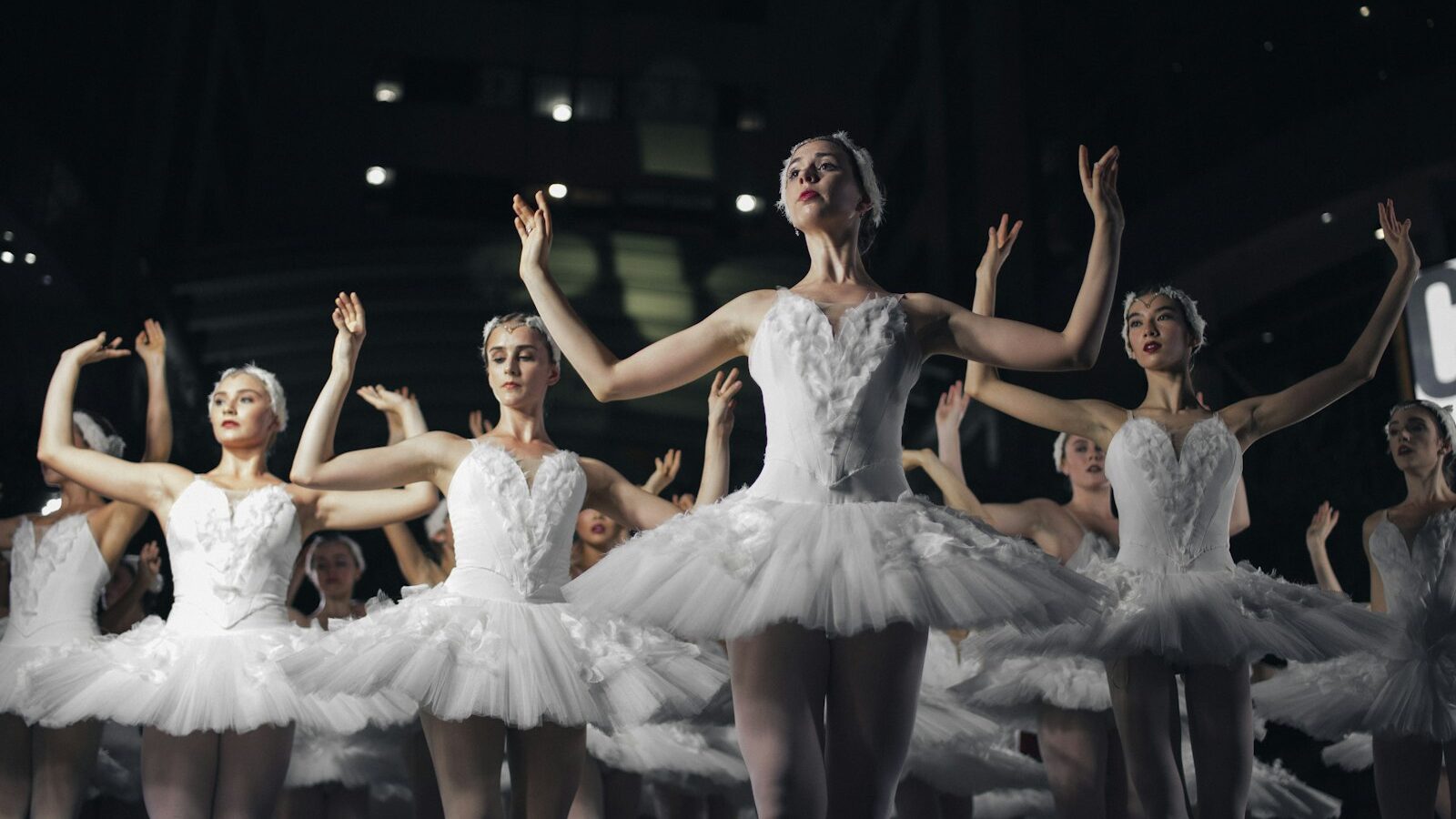
If you have tickets to a play, a ballet or an opera and are wondering what to wear to theatre Singapore style, the short answer is reassuring: most performances here do not enforce a strict dress code, and smart casual is almost always right. The longer answer depends on the type of show, the time of day, whether it is a gala or a regular run, and one very Singaporean factor, the air conditioning.
This guide is about indoor seated performances in proper auditoriums. A rock concert or an outdoor festival calls for a completely different outfit, so treat this as a separate checklist.

Is There a Dress Code at Singapore Theatres?
For regular public performances at the major venues, such as the concert hall and theatre at the Esplanade, Victoria Theatre and Victoria Concert Hall, and the various university and community arts centres, there is usually no written dress code beyond the basics of being decently dressed. You will see audiences ranging from office workers who came straight from work to couples who have dressed up for a special night out.
That said, a few situations do come with expectations:
- Gala nights, opening nights and charity premieres. These sometimes state a dress code on the invitation or ticket page, such as “lounge suit”, “cocktail” or “black tie”. Follow it.
- Corporate or private bookings. If your company has bought out a performance, the organiser may set the tone.
- Specific venues or events with house rules. Some events may ask guests to avoid very casual items such as singlets, shorts or slippers. Check the event page or your e-ticket.
Because policies can change and differ by organiser, the safest step is to read the ticketing page or the venue’s official website before the show. If nothing is mentioned, smart casual is your default.
Dress Code by Type of Performance
The genre gives you a good clue about how dressed up the crowd will be. Use this as a rough guide rather than a rule.
| Performance type | Typical crowd | Safe outfit choice |
|---|---|---|
| Ballet (evening run) | Mixed, many families and couples dress up a little | Dress, skirt or tailored trousers with a blouse; collared shirt with chinos or trousers |
| Opera (evening) | Often the most dressed up of regular audiences | Cocktail dress or smart separates; shirt with blazer, tie optional |
| Theatre play or musical | Wide range, from office wear to casual smart | Smart casual: neat top, jeans or trousers in good condition, clean shoes |
| Matinee (any genre) | Relaxed, more families and seniors | Comfortable smart casual; a polo or neat dress is fine |
| Gala or premiere | Formal, as stated by organiser | Follow the invitation, from cocktail to black tie |
If you are new to opera and want to know more about what happens during the performance itself, our guide to attending your first opera covers surtitles, intervals and applause etiquette.
Practical Outfit Tips for Singapore Audiences
Dressing for a show in Singapore is mostly about handling two climates in one evening: the humid walk from the MRT station and the chilly auditorium.
Plan for the cold auditorium
Theatres here are typically kept cool for the comfort of performers and large audiences. Many people find they feel cold after sitting still for an hour. Bring a light layer such as a cardigan, a pashmina or shawl, or a blazer. A layer also lets you wear something sleeveless on the way in and still be comfortable during the second act.
Choose fabrics that cope with humidity
Breathable fabrics such as cotton, linen blends and light wool are kinder than heavy synthetics. If you are coming from work, freshen up before you head in, since the walk from the station can be warm even at night.
Footwear: smart but walkable
Shoes matter more than people expect. You may walk from the MRT, climb stairs to an upper circle and queue for the washroom at the interval. Good options include:
- Leather loafers, brogues or smart sneakers in a clean, plain style
- Low block heels or elegant flats instead of very high stilettos
- Dress sandals in a polished style if the event is not formal
If you are unsure about flats that look dressy enough, our guide to flats and ballet shoes is a useful read. Avoid rubber slippers for an evening show; even when they are not banned, they tend to look out of place.
Keep bags small
Large backpacks and bulky shopping bags are awkward in narrow rows and may need to be checked at a cloakroom where one is available. A small crossbody bag or clutch keeps your phone, ticket and a fan within reach.
Etiquette Points That Go With the Outfit
What you wear is only part of being a considerate audience member. A few habits make the evening better for everyone around you:
- Mind your hair and hats. Remove hats once seated, and avoid tall hairstyles or accessories that block the view of the person behind you.
- Go easy on fragrance. Strong perfume or cologne can be uncomfortable in a closed, air-conditioned hall where people sit close together.
- Avoid noisy accessories. Jangly bangles and stiff, rustling fabrics are noticeable during quiet passages in ballet and opera.
- Silence your phone and dim your watch. A smartwatch lighting up in a dark hall is distracting.
- Arrive early. Latecomers are often held outside until a suitable break, and you will not want to miss the overture.
Dressing Children and Seniors for a Show
Family-friendly matinees, holiday ballets and children’s theatre are common, especially during school holidays and the year-end festive period.
For children, choose something neat but comfortable enough to sit still in for an hour or more. A pretty dress or a collared shirt with soft trousers works well, and many young ballet fans enjoy dressing up for the occasion. Bring a light jacket, since children feel the cold quickly when sitting still. Check age guidance on the ticketing page, as some productions are not suitable for very young children. If your child comes home inspired, see our tips on choosing a ballet class for your young child.
For seniors, comfort comes first. Supportive shoes, a warm layer and loose, breathable clothing are more important than formality. If stairs are a concern, look at seating options on the venue’s website or ask the box office about accessible seats when booking.
What About Chinese Opera, Getai and Traditional Performances?
Traditional forms such as Chinese opera staged in a theatre, Malay bangsawan or Indian classical dance recitals follow the same general rule: smart casual is appropriate when the performance is in an auditorium. Some audience members choose to wear traditional dress for cultural shows or festival programmes, which is welcome but never required.
Street opera and getai held in open-air tents during the Hungry Ghost Festival are a different experience altogether. These are casual, community events where everyday clothes are perfectly normal. Dress for the heat, wear comfortable shoes and remember to leave the front row seats empty, as these are traditionally reserved.
A Simple Checklist Before You Leave Home
Run through this quick list on the day of the show:
- Check your ticket or the event page for any stated dress code.
- Pick smart casual by default, or dress up a notch for opera and evening ballet.
- Pack a light layer for the air-conditioned hall.
- Wear shoes you can comfortably walk and climb stairs in.
- Bring a small bag rather than a backpack.
- Skip the strong fragrance and noisy jewellery.
Get those right and you will feel comfortable and appropriate at almost any performance in Singapore, whether it is a Saturday matinee or an opening night gala.
Explore more: Ballet and Dance Performances in Singapore
Further reading: Getting Into Live Theatre in Singapore · Appreciating Opera as a Beginner