
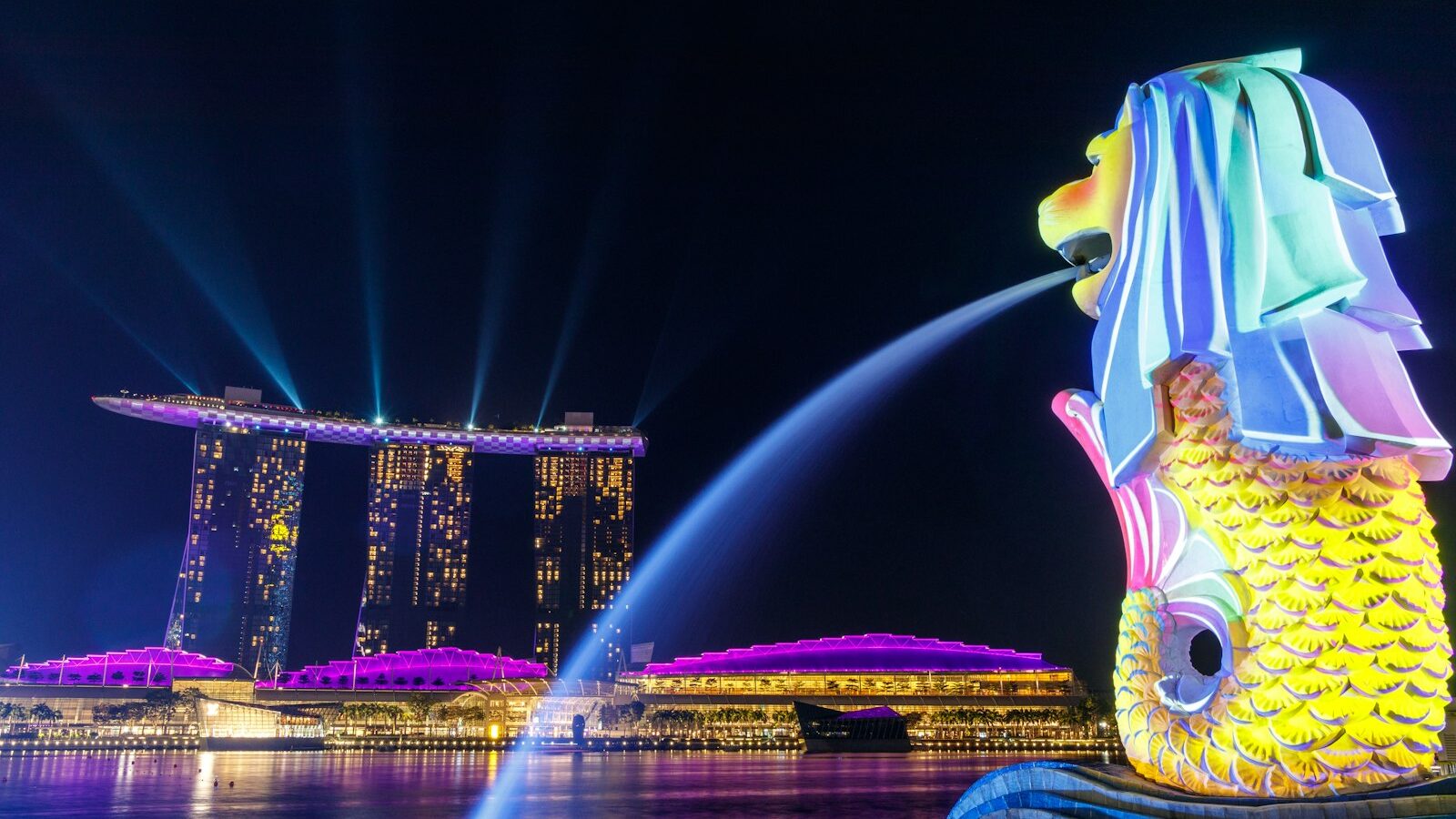
Singapore welcomes a large number of Mandarin-speaking visitors, which makes guiding an appealing career for newcomers from mainland China. You already have the language, and often a natural feel for what Chinese travellers want to see and understand. What you need to add is local knowledge and the correct credential, because a tourist guide licence in Singapore is a legal requirement for anyone guiding visitors at attractions and on tours. Guiding for a fee without the proper licence is not allowed, so this is the first thing to get right.
The reassuring news is that the pathway is well organised and open to people from all backgrounds, including those who have recently arrived. This guide explains who runs the system, what the licence involves, and how your China background can be an advantage. Requirements can be updated over time, so treat this as an overview and confirm the current details with the official body before you enrol or apply.
Who Runs Licensing and Why It Exists
Tourist guide licensing in Singapore is overseen by the Singapore Tourism Board, known as the STB. The STB sets the standard for licensed guides so that visitors receive accurate, safe and professional experiences. A licensed guide is expected to know the country’s history, culture, attractions and rules well enough to represent Singapore properly to guests from around the world.
The licence exists to protect both visitors and the reputation of Singapore as a destination. A visitor who hires a licensed guide can trust that the person has been properly trained and assessed, rather than simply claiming to know the sights. For you, the licence is what turns your enthusiasm and language skills into a recognised, professional service that agencies and tourists can rely on.
The route to the licence generally runs through a recognised tourist guide course followed by an assessment. The course builds the knowledge a guide needs, and the assessment confirms you have reached the required standard before you are licensed to work. The STB publishes the current arrangements, including approved course providers and how assessment works, and that published information is what you should follow.
What the Pathway Involves
The core of the pathway is the licensed tourist guide course and its assessment. The course typically covers Singapore’s history and heritage, its multicultural society, major attractions, and the practical skills of guiding, such as commentary, group management and professional conduct. The aim is to make sure that a licensed guide can do more than recite facts, and can genuinely lead a group with confidence and care.
After the course, there is an assessment that a candidate must pass to be licensed. Do not assume the exact format, subjects or number of components from someone else’s experience a few years ago, because these details are set by the STB and can change. Check the current requirements directly so that you prepare for the assessment that actually applies to you.
Here is a simple picture of the stages.
| Stage | What it involves | Your practical action |
| — | — |
| Enrolment | Join a recognised tourist guide course | Choose an STB-approved provider |
| Training | Learn history, culture, attractions and guiding skills | Study broadly, not just the highlights |
| Assessment | Meet the required standard to qualify | Follow the STB’s current published requirements |
| Licence | Receive your tourist guide licence | Apply, then keep your licence valid |
For a newcomer from China, two points are worth stressing. First, guiding is genuinely knowledge-intensive. Being fluent in Mandarin is a wonderful start, but you will still need to learn Singapore deeply, from its founding story to its neighbourhoods, food culture and etiquette. Treat the course as a real education in your new home, not a formality. Second, your language and cultural insight are a real strength. There is steady demand for guides who can connect with Chinese visitors, explain local customs in familiar terms, and anticipate the questions mainland travellers tend to ask.
Building a Guiding Career
Once licensed, most guides work with tour agencies, take bookings for specialist or private tours, or combine both. Many guides operate on a freelance basis, which offers flexibility but also means your income depends on the seasons and on building a good reputation. Reliability, warmth and accurate commentary are what bring repeat referrals, so your professionalism on early tours matters a great deal.
Before you invest in the course, make sure you are eligible to work as a guide in the first place. Being licensed and being permitted to take up this work are separate matters, and your work pass situation is governed by the Ministry of Manpower. Confirm your eligibility early with the Ministry of Manpower, because the rules that apply to you depend on your residency status. It would be frustrating to complete the training only to find a pass issue you could have checked at the start.
A short checklist to keep you on track:
- Confirm that a recognised course and assessment are required, and choose an STB-approved provider.
- Follow the STB’s current published requirements rather than older accounts.
- Study Singapore’s history and culture in real depth, not only the famous sights.
- Use your Mandarin and cultural insight as a genuine advantage with visitors.
- Check your eligibility to work as a guide with the Ministry of Manpower.
Be encouraged. Guiding rewards curiosity, people skills and pride in your surroundings, all of which you can build. Newcomers from China who take the training seriously and treat every visitor with care can carve out a satisfying career sharing Singapore with the world. Prepare thoroughly, keep your knowledge fresh, and always defer to the Singapore Tourism Board for the latest and most accurate requirements.
Explore more
How to Budget for Life in Singapore
Avoiding Common Scams and Fraud
Getting Your China Accountancy Qualification Recognised
Becoming a Chinese-English Translator or Interpreter