
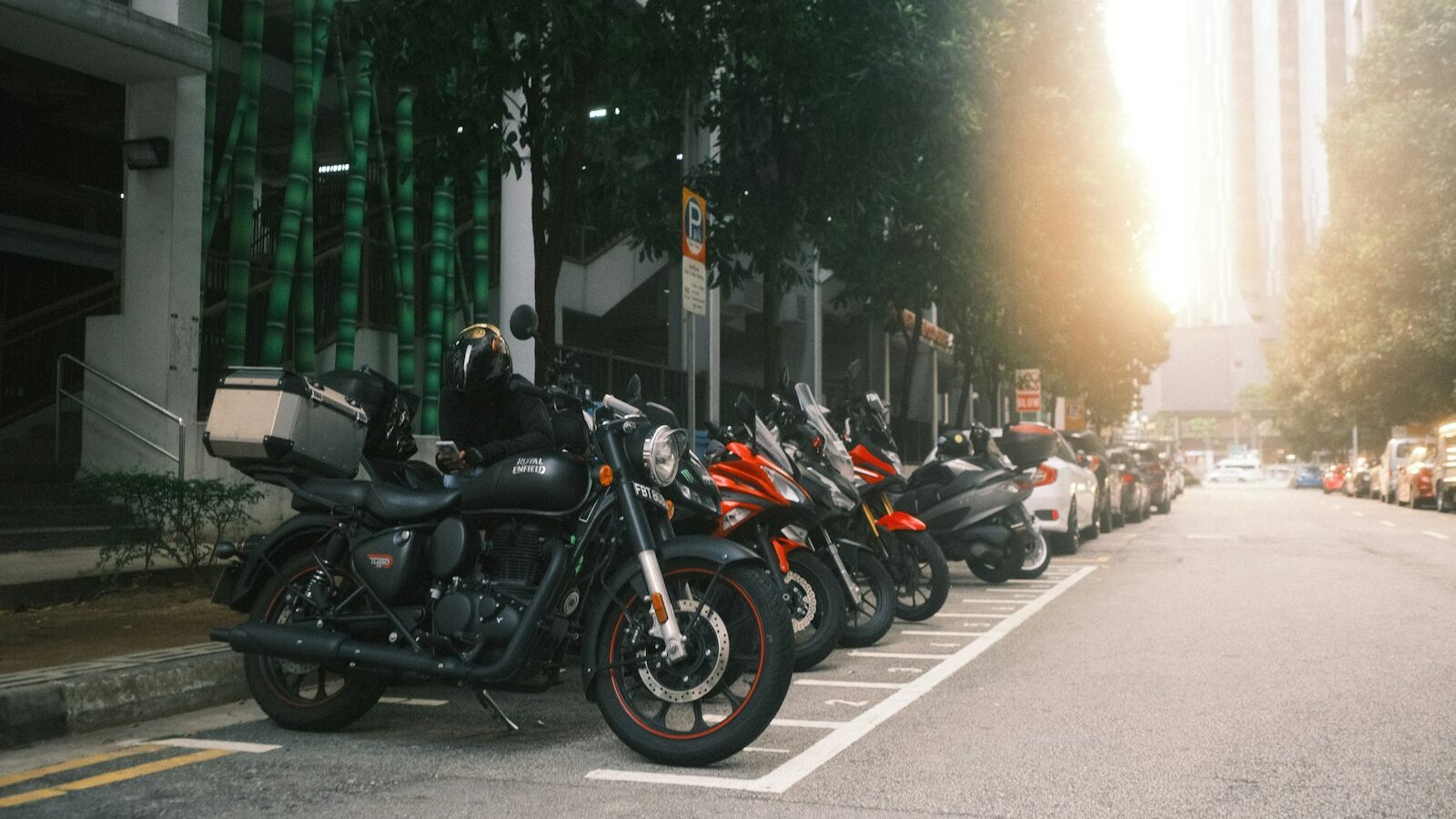
Getting a motorcycle licence singapore residents can actually use takes a little patience, but the path is clear and well organised. Whether you want a nimble bike for commuting, a way to beat traffic, or simply the freedom of two wheels, the process runs through approved driving centres and the Land Transport Authority (LTA). This guide explains how the licence classes work, what training and tests to expect, the safety gear you will need, and the road rules that keep every rider safe. It is written for newcomers from mainland China who may hold a licence back home but are starting fresh with the local system.
Understanding the licence classes
Singapore groups motorcycles by engine power, and you progress through the classes in steps. The entry class is Class 2B, which covers smaller motorcycles up to a set engine capacity. Once you have held Class 2B for the required qualifying period, you can move up to Class 2A, which allows more powerful mid-range machines. After holding Class 2A for its qualifying period, you can go for Class 2, the full class that covers the largest motorcycles. This staged system means you build real riding experience before handling more powerful bikes, which is a sensible approach in dense city traffic.
If you already hold a foreign motorcycle licence, do not assume it transfers automatically. The rules on converting an overseas licence, or on how long a visitor may ride on it, are set by LTA and can change, so check the current requirements directly with LTA before you ride. For most new residents who plan to stay, working through the local Class 2B route from the start is the cleanest and most reliable path.
Training at an approved driving centre
Motorcycle training in Singapore is delivered by approved driving centres. You enrol, attend theory lessons, and then take practical riding lessons on the centre’s circuit before progressing to riding on public roads under instruction. The centres provide the training motorcycles and structured curriculum, so you learn on a proper machine with a qualified instructor rather than teaching yourself.
There are theory tests to pass first. These cover the basic theory of driving that applies to all road users, and a riding theory test specific to motorcycles, covering traffic signs, right of way, and safe riding behaviour. After the theory, you complete practical training and then sit a practical riding test assessed by the authorities. The practical portion checks your control of the machine, your circuit skills such as the plank and the crank, and your judgement on the road.
Because fees, lesson packages, and exact scheduling differ between centres and change over time, this guide does not quote prices. Contact an approved driving centre directly for their current course structure and costs, and rely on LTA for the official licensing requirements. Booking early helps, as popular slots fill up.
Here is a simple overview of how the classes and steps fit together.
| Class | Covers | Typical step |
|---|---|---|
| Class 2B | Smaller motorcycles up to a set capacity | Entry class, start here |
| Class 2A | Mid-range motorcycles | After qualifying period on 2B |
| Class 2 | Largest motorcycles | After qualifying period on 2A |
| Theory tests | Basic and riding theory | Pass before practical test |
| Practical test | Circuit and road riding skills | Assessed to earn the class |
Safety gear that protects you
A licence lets you ride, but good gear keeps you whole. A properly fitted, approved helmet is essential and must be worn correctly fastened whenever you ride. Beyond the helmet, experienced riders strongly recommend a full set of protective equipment: a sturdy riding jacket, gloves, long trousers, and proper footwear that covers the ankle. In Singapore’s heat it is tempting to ride in shorts and slippers, but even a low-speed fall on tarmac can cause serious injury, so cover up.
Bright or reflective clothing helps other drivers see you, which matters at night and in the frequent tropical rain. A visor or goggles protect your eyes from wind, dust and sudden downpours. Think of gear as part of the cost of riding, not an optional extra. Your future self will thank you.
Road rules and riding safely
Singapore’s roads are orderly, and riders are expected to follow the same discipline as everyone else. Ride on the left, obey all traffic signals and speed limits, and keep to the flow of traffic. Lane discipline matters: weaving aggressively between cars is dangerous and frowned upon. Signal early for turns and lane changes, and always check your blind spots, because a motorcycle is easy to miss in a car’s mirrors.
Rain changes everything. Painted road markings, metal covers and the first rain after a dry spell can be slippery, so brake gently, increase your following distance, and slow down. Never ride after drinking; Singapore enforces drink-driving laws strictly for all vehicles. Do not use a handheld phone while riding. Carry your licence, keep your motorcycle’s road tax and insurance valid, and make sure your machine is roadworthy with working lights, brakes and tyres.
As a new rider, ride within your limits. Start on quieter roads, build confidence gradually, and do not rush to the biggest bike your class allows. Defensive riding, assuming that others may not see you, is the single habit that keeps riders safest in busy city traffic.
Putting it all together
Earning a motorcycle licence singapore newcomers can rely on comes down to a clear sequence: choose an approved driving centre, pass the theory tests, complete practical training, and take the assessed riding test to earn Class 2B, then progress to Class 2A and Class 2 as you gain experience. Invest in proper safety gear from day one, and treat the road rules as the framework that lets everyone share the road safely. Because requirements and fees change, always confirm the current details with LTA and with the driving centre you enrol at rather than relying on secondhand advice. Do that, ride with care, and two wheels can become one of the most rewarding ways to get around the island.