
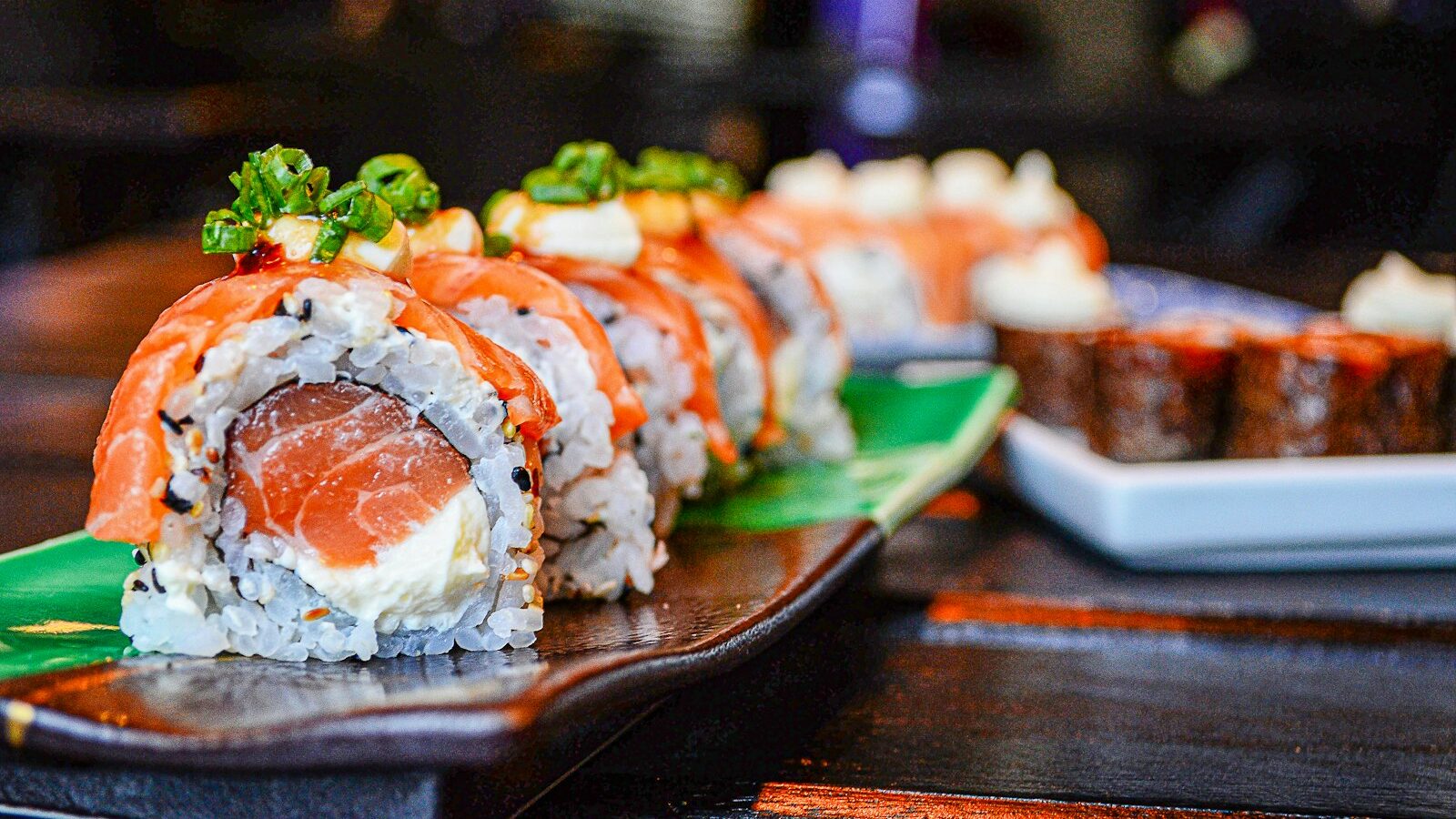
Few cuisines reward attention to detail quite like sushi, and Singapore has quietly become one of Asia’s most exciting places to eat it. The search for the best sushi in Singapore can take you from a hushed hinoki counter with fish flown in from Toyosu that morning, to a friendly neighbourhood bar where five dollars buys a plate of salmon. This is an editorial shortlist of places that are regularly cited by trusted local food publications and diners, whether you are marking a special occasion or simply craving a good nigiri after work.
A quick word on how to read this piece: it is a shortlist of frequently recommended spots, not a definitive ranking or an endorsement. Outlets, chefs, and menus change often in this scene, so treat it as a starting point rather than the final word.
How to choose
Great sushi is less about the fish alone and more about the sum of small, correct decisions. Here is what a smart diner looks for.
- The rice (shari), not just the fish. Proper Edomae sushi lives or dies on seasoned, body-temperature rice with the right vinegar balance. If the rice is cold, mushy, or falls apart, no amount of premium tuna will save it.
- Sourcing and seasonality. The best counters talk openly about where fish comes from (Toyosu and other Japanese markets) and change the line-up with the seasons. A menu that never changes is a small red flag.
- The counter versus the table. At a true omakase, sitting at the counter means the chef serves each piece at its peak, to be eaten within seconds. If you want that experience, book the counter, not a table.
- Format that fits the occasion. Omakase (chef’s choice) is a set journey; a la carte lets you order what you fancy; conveyor belt and casual bars are for speed and value. Match the format to your mood and budget before you book.
- Reservations and lead time. The most sought-after counters are tiny and can be booked out weeks ahead. Casual bars rarely need booking. Plan accordingly.
- Common pitfalls. Beware very cheap “all you can eat” sashimi of unknown origin, menus that lean on heavy sauces to mask tired fish, and places that seat you far from the chef when you have paid for a counter experience.
What to expect
Sushi in Singapore spans a huge range, from a quick weekday lunch to a multi-course event. As a rough guide only, and always subject to change, prices tend to fall into these bands:
- $ casual and conveyor belt bars, good for a fast, affordable fix.
- $$ mid-range sit-down restaurants and entry-level or value omakase sets.
- $$$ premium omakase counters, often the special-occasion tier.
Most premium counters are omakase only, meaning you eat the chef’s chosen sequence with no menu. Casual bars are a la carte or conveyor belt, so you pick as you go. The table below is a rough guide to help you match a style to the occasion.
| Style | What it is | Best for | Rough band |
|---|---|---|---|
| Premium omakase | Chef-led counter, seasonal Edomae | Special occasions, serious sushi fans | $$$ |
| Value omakase | Set chef’s selection at a friendlier price | First omakase, mid-week treat | $$ |
| Casual sushi bar | A la carte nigiri, sashimi, rolls | Relaxed meals, groups, newcomers | $ to $$ |
| Conveyor belt | Self-serve plates off the belt | Quick bites, families, budgets | $ |
Our shortlist
Last checked: August 2026. Outlets and details change, so please confirm directly before you visit.
Our picks are grouped into two simple tiers: the special-occasion omakase counters, and the value and everyday spots worth knowing.
Special-occasion omakase counters
Sushi Sakuta (Millenia Walk, central) – Helmed by chef Yoshio Sakuta, this intimate Edomae counter is one of the most decorated sushi-ya in the country and is regularly cited among the very best in town. Expect a season-driven journey built almost entirely on Japanese fish. Price guide: $$$
Shinji by Kanesaka (Tanglin Road and Bras Basah) – An extension of Ginza master Shinji Kanesaka’s craft, this long-running name is consistently recommended for classic, precise Edo-style sushi served at a serene hinoki counter with fish from Toyosu. Price guide: $$$
Sushi Kimura (Orchard) – Chef Tomoo Kimura’s tiny counter, now inside a hotel on Orchard, is known for a purist take on Edomae: careful ageing, salting, and marinating paired with seasonal imports. A favourite of the city’s more devoted sushi crowd. Price guide: $$$
Ki-sho (Scotts Road) – Set in a colonial black-and-white house, this kappou-style omakase house pairs beautifully composed courses with sushi, and is frequently mentioned as a refined, understated choice. Lunch sets make it a slightly gentler way in. Price guide: $$$
Value and everyday sushi
Teppei Japanese Restaurant (Tanjong Pagar) – Chef Teppei Yamashita’s original omakase is something of a local legend, beloved for generous, sushi-heavy sets at prices well below the premium counters. Booking well ahead is essential, which tells you plenty about the demand. Price guide: $$
Standing Sushi Bar (CBD and Bras Basah) – Serving casual Japanese since 2009, this home-grown chain is a reliable pick for fresh sashimi and nigiri at friendly prices, with well-known value promotions that keep regulars coming back. Price guide: $ to $$
Sushi Express (islandwide) – The dependable conveyor belt option when you want quick, cheap plates in a mall setting. Not the place for a purist pilgrimage, but a genuinely handy everyday fix that turns up on affordable-sushi lists for good reason. Price guide: $
Tips and FAQ
Do I have to book far in advance?
For the premium omakase counters, yes. They are small and popular, so aim to book well ahead, especially for weekends and celebrations. Casual bars and conveyor belt spots rarely need a reservation.
What is omakase, and is it worth it?
Omakase means “I leave it to you”, so the chef decides the sequence and serves each piece at its best. It is worth it if you want the full craft and are happy to eat what is in season. If you prefer to choose your own plates, a casual a la carte bar suits you better.
How much should I budget?
As a rough guide only, casual sushi can be a light spend, value omakase sits in the middle, and premium counters are a considered splurge. Prices move with the seasons and the fish, so always confirm before you go.
Is good sushi in Singapore only about expensive counters?
Not at all. Some of the most-loved spots are value omakase and casual bars. The best sushi in Singapore for you depends on the occasion: a quick, honest plate can be just as satisfying as a special-occasion counter.
I am new to Singapore. Where should I start?
Begin with a casual sit-down bar or a value omakase to get a feel for styles and your own preferences, then work up to a premium counter for a special occasion once you know what you love.
Explore more: The complete Singapore sushi guide, Best ramen in Singapore, Best seafood in Singapore