
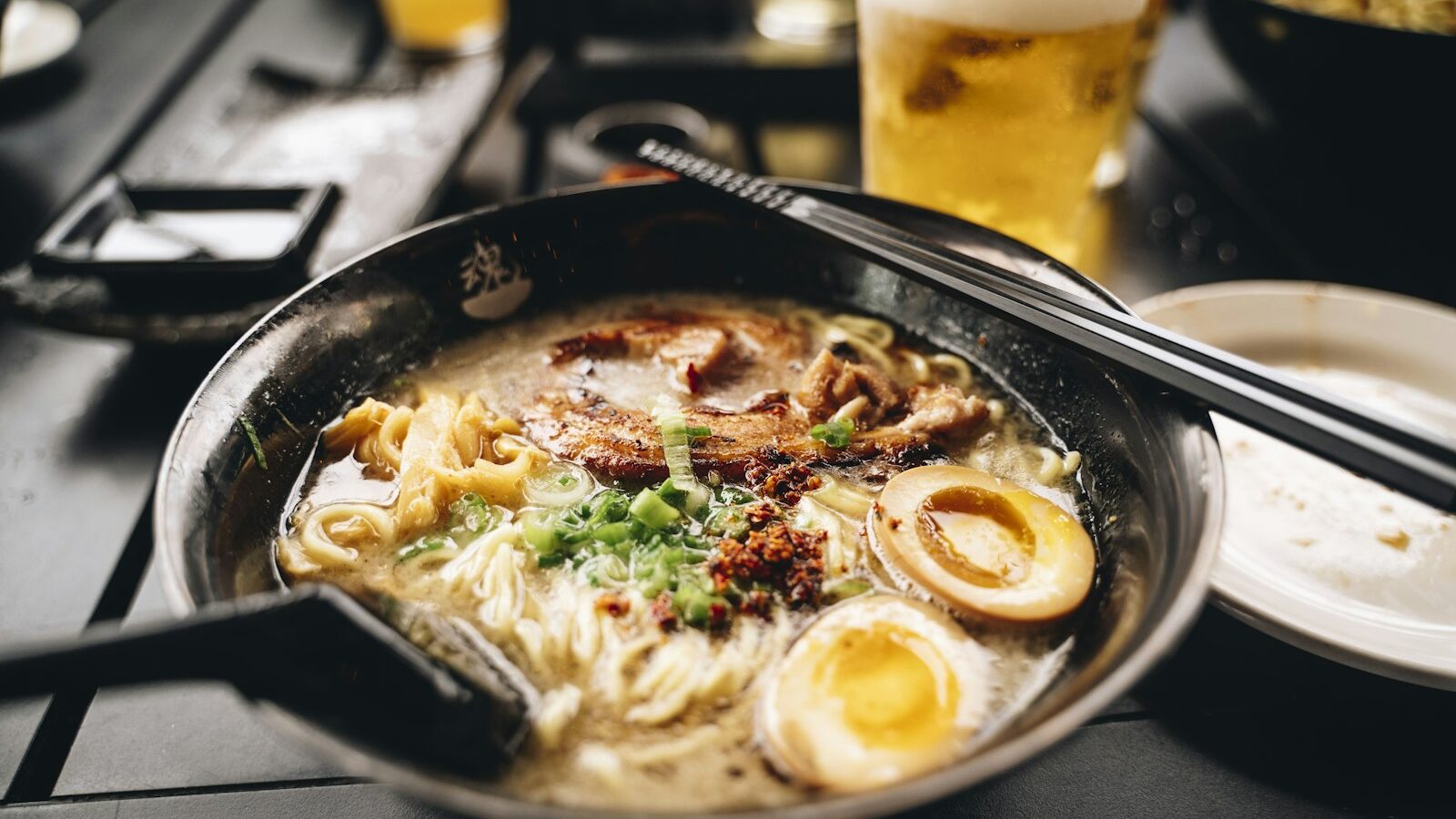
Few dishes reward a queue quite like a proper bowl of noodles, and the best ramen in Singapore has become a genuine obsession, from Michelin-recognised shoyu shops to tonkotsu counters where regulars know exactly how firm they want their noodles. Whether you have just landed and want a reliable first bowl, or you have slurped your way across the island and are chasing something new, this is an editorial shortlist of places that are regularly cited and frequently recommended, not a definitive ranking. Think of it as a starting map rather than the last word.
How to choose
Great ramen is about balance, not just richness. Before you commit to a queue, here is what a smart diner looks for:
- The broth tells the story. Tonkotsu (pork bone) should be creamy and full without tasting merely salty; shoyu and shio should be clean and layered; chicken (toripaitan or a lighter chintan) should feel silky rather than heavy. A good bowl has depth you can taste after the first three spoonfuls.
- Noodles matter as much as soup. They should arrive with a bite and hold it. Many shops let you choose firmness, so ask for firmer noodles if you tend to eat slowly.
- Chashu and toppings should earn their place. Look for pork (or chicken) that is tender and seasoned, a properly runny seasoned egg (ajitama), and toppings that complement rather than crowd the bowl.
- Freshness and turnover are quality signals. Busy shops that cook broth daily and sell out are usually a good sign. An empty specialist at peak lunch is worth a second thought.
- Match the style to your mood. Rich tonkotsu on a rainy evening, a lighter chicken or shoyu bowl when you want something you can finish comfortably.
- Common pitfalls: confusing “rich” with “good”, ignoring the smaller specialist counters in favour of the biggest chain, and over-ordering sides before you have tasted the broth.
What to expect
Most ramen in Singapore sits in an accessible price range, with a standard bowl typically in the mid-teens to low twenties in Singapore dollars, and premium or Michelin-linked bowls climbing higher. The price bands below are a rough guide, subject to change, so always confirm at the shop.
Ordering is usually simple: pick your bowl, choose noodle firmness and any add-ons (extra chashu, egg, seaweed), then find a seat. Solo diners are well catered for, counter seating is common, and turnover is quick, so queues often move faster than they look.
| Style | Broth character | Best for |
|---|---|---|
| Tonkotsu | Rich, creamy pork bone | First-timers and comfort seekers |
| Shoyu | Clean, soy-forward, layered | Those who want balance over richness |
| Shio | Light, delicate, savoury | A gentler, refined bowl |
| Chicken (paitan / chintan) | Silky or clear, lighter than pork | Diners who find tonkotsu too heavy |
| Mazesoba / tsukemen | Little or no soup, dipping or mixed | Adventurous eaters and noodle lovers |
Price bands used below (a rough guide, subject to change): $ = wallet-friendly, $$ = mid-range, $$$ = premium.
Our shortlist
Last checked: August 2026. Outlets and details change, so please confirm directly before you visit.
The places below are grouped by what they do best, so you can pick by craving rather than scrolling. Each is a real, currently operating establishment that appears repeatedly across recent Singapore food coverage.
For rich tonkotsu lovers
Ramen Keisuke Tonkotsu King (Tanjong Pagar) – The flagship of Singapore’s most prolific ramen group, regularly cited for its addictive, umami-heavy pork broth and generous chashu, with free-flow beansprouts and eggs on the counter. A dependable pick for a first proper bowl. Price guide: $$
Hakata Ikkousha (Tanjong Pagar / CHIJMES) – A Fukuoka export known for a long-simmered, collagen-rich Hakata-style tonkotsu with real depth, and the classic option to dial in your noodle firmness and broth richness. Price guide: $$
Ippudo (multiple outlets, including Mandarin Gallery and UE Square) – The globally known Fukuoka chain remains a reliable benchmark, famous for its creamy tonkotsu and springy Hakata noodles in bowls like the Shiromaru and the spicier Akamaru. Easy to find and consistently solid. Price guide: $$
Nantsuttei (Orchard Central) – An award-winning Japanese import best known for a rich tonkotsu finished with ma-yu, a fragrant black garlic oil that gives the bowl its signature smoky depth. Price guide: $$
For lighter chicken bowls
Marutama Ramen (Clarke Quay / Kallang) – A well-loved specialist in chicken-based broth that is rich yet noticeably lighter than pork versions, ideal when you want flavour without the heaviness. Price guide: $$
Mensho Tokyo (Raffles City) – The first Singapore outpost of an acclaimed Tokyo name, celebrated for a refined chicken-forward toripaitan and inventive, seasonal, farm-to-bowl creations that reward the curious. Price guide: $$$
For Michelin-recognised bowls
Enishi (Tanjong Pagar) – A tiny, cult-followed import from Kobe carrying a Michelin Bib Gourmand pedigree, prized for a clean, complex dashi-driven broth that is all about clarity and umami. Small, so expect a wait. Price guide: $$
Tsuta (Jewel Changi Airport) – The Michelin-recognised shoyu specialist, known for a custom-brewed soy base and a signature finish of truffle and porcini that made its reputation. A special-occasion bowl that is still accessible. Price guide: $$$
Konjiki Hototogisu (CHIJMES) – A Tokyo Michelin name famous for a distinctive clam-and-pork broth, often crowned with porcini and white truffle oil, delivering a full-bodied yet refined bowl at a surprisingly fair price. Price guide: $$
Tips
What is the difference between tonkotsu, shoyu and shio?
Tonkotsu refers to a rich, creamy broth made from pork bones. Shoyu is a soy-seasoned broth that tastes cleaner and more layered, while shio is salt-based and the most delicate of the three. If you are new to ramen, tonkotsu is the friendliest starting point.
How do I beat the queues?
Aim for an early lunch just after opening or a late-afternoon lull between the lunch and dinner rushes. Weekday visits are calmer than weekends, and smaller specialist counters move faster than they appear because diners rarely linger.
Is there ramen in Singapore for people who avoid pork?
Yes. Chicken-broth specialists offer a satisfying alternative to tonkotsu, and several shops around the island are halal-certified, so it is always worth checking a specific outlet’s status directly before you go.
How much should I budget for a bowl?
As a rough guide, a standard bowl often lands in the mid-teens to low twenties in Singapore dollars, with premium and Michelin-linked bowls costing more. Prices change, so treat any figure as indicative and confirm at the shop.
Should I customise my order?
If the shop allows it, choosing firmer noodles and adding a seasoned egg are two easy upgrades. Taste the broth before reaching for extra seasoning or chilli, as the best bowls are balanced as served.
Explore more: The complete ramen guide for Singapore, Best sushi in Singapore, Best restaurants in Singapore