
Sushi is everywhere in Singapore, from affordable conveyor-belt chains to refined counters, and it is one of the most popular Japanese foods here. But behind that simple word sits a whole vocabulary of types, styles and etiquette. This beginner’s guide explains what sushi is, the main types, and how to enjoy it well.
What sushi actually is
A common misconception is that sushi means raw fish. In fact, sushi refers to the vinegared rice that forms the base of the dish, which can be topped or combined with a variety of ingredients, raw or cooked. Raw fish on its own, without rice, is sashimi, a related but distinct item. Understanding this distinction clears up a lot of confusion for newcomers. Good sushi is as much about the quality and seasoning of the rice as it is about what sits on top, which is why sushi chefs treat their rice with such care.
The main types
Sushi comes in several forms, and knowing them helps you order with confidence.
- Nigiri, a hand-pressed mound of rice topped with a slice of fish or other topping.
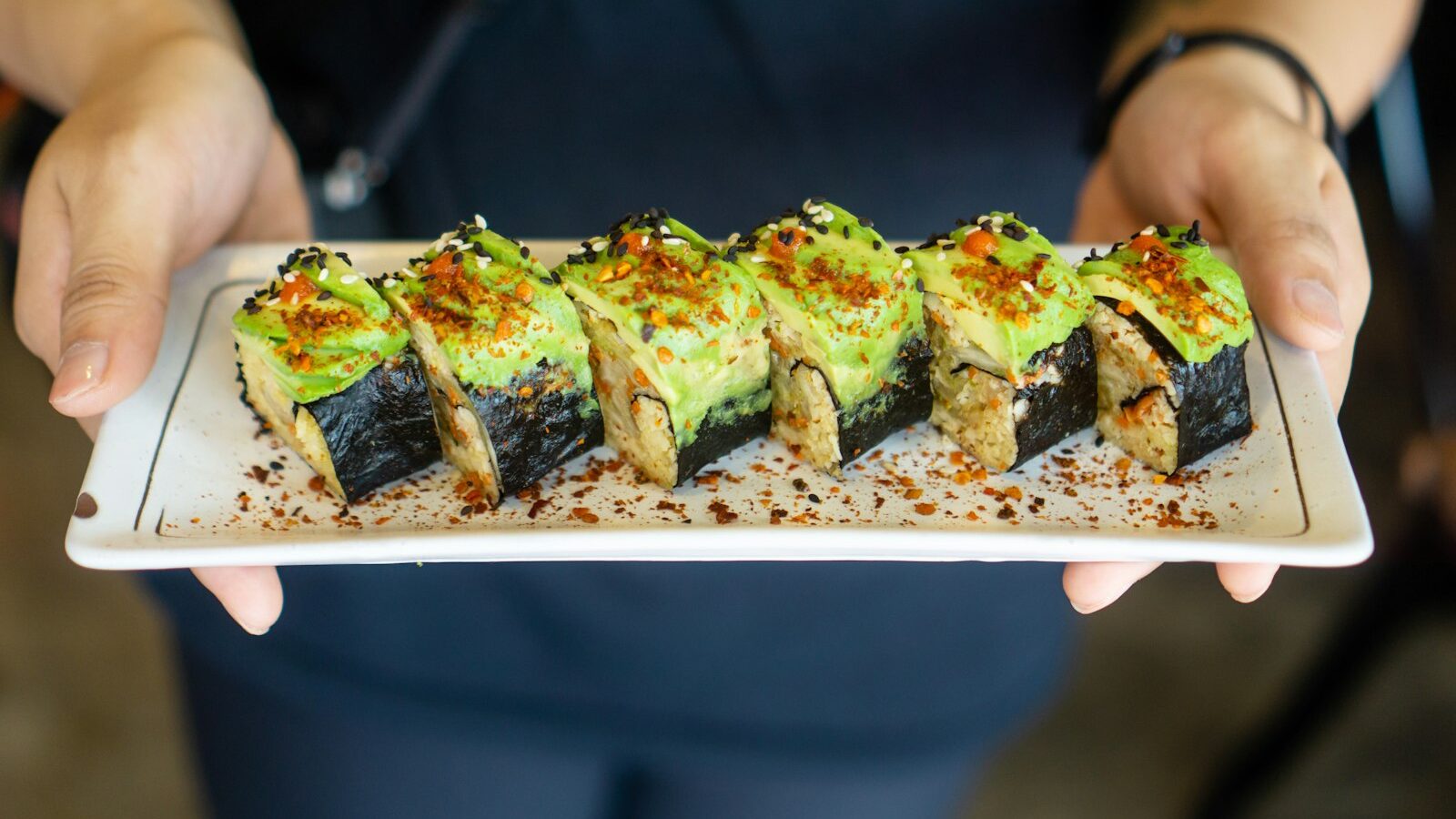
- Maki, rolled sushi with rice and fillings wrapped in seaweed, sliced into rounds.
- Temaki, a hand roll shaped like a cone, best eaten immediately while crisp.
- Gunkan, an oval of rice wrapped in seaweed to hold soft toppings like roe.
- Sashimi, sliced raw fish served without rice, technically not sushi but often enjoyed alongside.
Each type offers a different experience, and a good meal often mixes several.
How to eat sushi properly
There is an etiquette to eating sushi that enhances the experience, though nobody expects perfection from a beginner.
| Practice | The idea |
|---|---|
| Dip fish-side, not rice | Dip nigiri lightly, topping-side down, to avoid soaking the rice |
| Go easy on soy | A light touch preserves the delicate flavours |
| Wasabi in moderation | Let the fish and rice shine rather than overwhelming them |
| Ginger between pieces | Pickled ginger cleanses the palate, not a topping |
| Eat nigiri in one bite | It is designed to be enjoyed whole |
The overarching principle is restraint: quality sushi is seasoned by the chef with intent, so heavy soy and wasabi can mask rather than enhance it.
The sushi experiences on offer
Singapore offers sushi across a wide spectrum, and each has its place.
- Conveyor-belt sushi, casual, fun and affordable, with plates circulating for you to pick.
- Casual sushi restaurants, offering a broad menu at accessible prices.
- Omakase counters, where the chef serves a curated sequence of their best, a premium experience.
Beginners often start with belt or casual sushi and, as their appreciation grows, venture towards omakase for a more refined, chef-led journey. There is no wrong entry point.
How to tell quality
- The rice is well-seasoned and at the right temperature, not cold and hard.
- The fish is fresh, glistening and clean-tasting rather than fishy.
- The balance is right, with the topping and rice in harmony.
- The chef takes care, evident in the precision of the pieces.
- Turnover is high, which for fish is a good sign of freshness.
Quality can be enjoyed at many price points; even affordable sushi can be very good when the basics of fresh fish and well-made rice are respected.
A note on sustainability and freshness
Because sushi often features raw fish, freshness and handling matter for both taste and safety, so reputable establishments with good turnover are a sensible choice. It is also worth being mindful of sustainability, as some diners prefer to choose responsibly sourced options where possible. These considerations do not need to complicate your meal, but a little awareness helps you eat well and thoughtfully.
Where to find it
Sushi is available throughout Singapore, from belt-sushi chains in malls to Japanese dining districts and dedicated omakase counters. Shopping centres, areas with a strong Japanese food presence, and casual dining spots all offer options across the price range. For a special occasion, an omakase experience is worth seeking out, while for an everyday fix, casual and belt sushi deliver satisfying, accessible pleasure.
The rise of sushi in Singapore
Sushi has travelled a long way in Singapore, from a once-exotic treat to an everyday option available at nearly every mall and neighbourhood. This growth has brought both accessibility and quality: affordable belt-sushi chains have made the dish part of ordinary life, while a flourishing high-end scene has raised the ceiling with world-class omakase experiences. The result is a market where you can enjoy sushi at almost any budget and occasion, from a quick solo lunch to a landmark celebration. This breadth is a gift for diners, and it means sushi appreciation here can grow with you, starting casual and, if you wish, deepening into a genuine passion for the craft. Understanding the basics simply helps you make the most of whatever end of the spectrum you find yourself enjoying.
The takeaway
Sushi is far richer than raw fish on rice: it is a craft built on well-seasoned rice and quality ingredients, offered in forms from nigiri to maki and across settings from casual belts to refined omakase counters. Learn the main types, eat with a little restraint on the soy and wasabi, and let the freshness and balance shine. Whether you are grabbing a few affordable plates or settling in for a chef-led omakase, understanding the basics turns a simple meal into a genuine appreciation of one of Japan’s greatest culinary exports, enjoyed to the full right here in Singapore.
Explore more: Japanese food in Singapore · Omakase explained: a diner’s guide · Ramen in Singapore: styles explained