
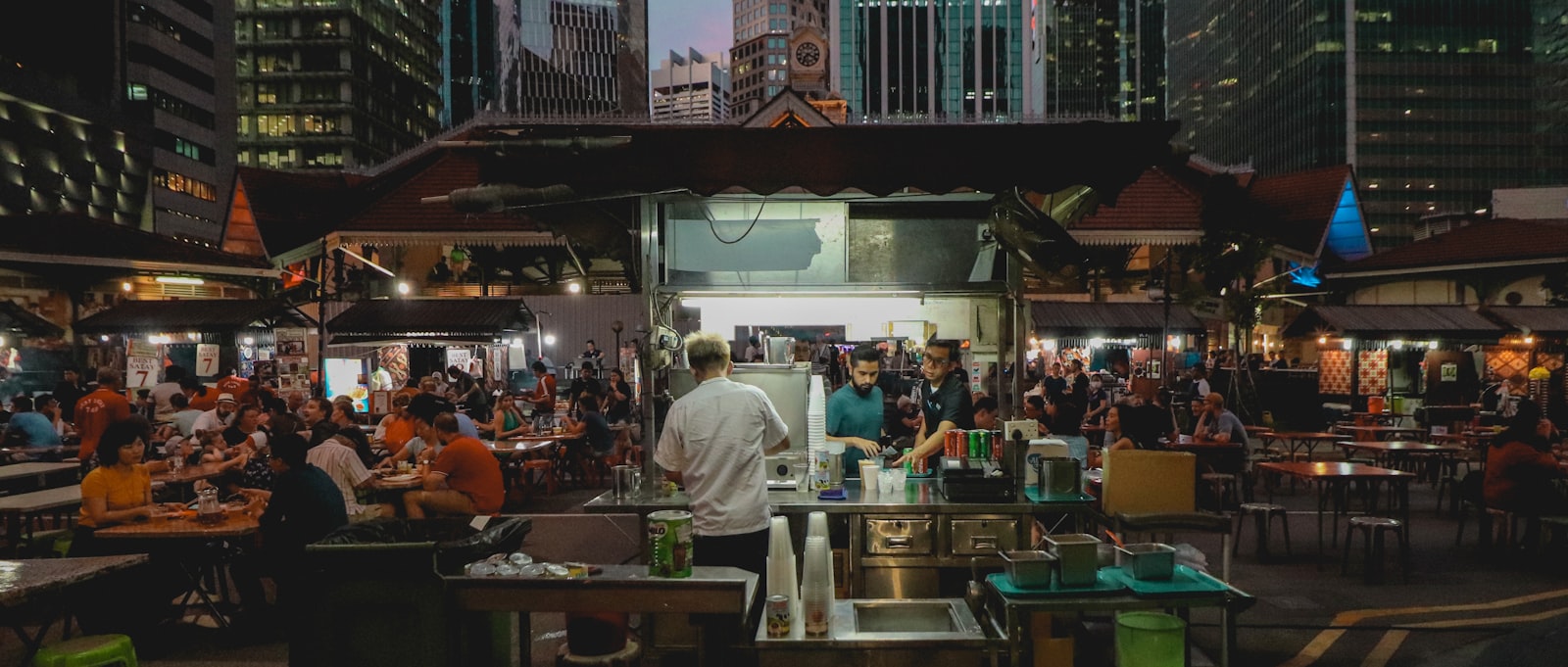
Singaporeans love a good buffet, and the island offers them in abundance, from lavish hotel spreads to all-you-can-eat hotpot and seafood. Done well, a buffet is a feast and an occasion. Done poorly, it is overeating and waste. This guide covers the types of buffets, how to get genuine value, and the etiquette of eating well at one.
Why buffets are so popular
Buffets appeal for several reasons: the variety, the sense of abundance, and the shared, celebratory atmosphere that makes them popular for gatherings, birthdays and special occasions. For a fixed price, you can sample a huge range of dishes, which suits both the adventurous and those with different tastes at one table. This combination of value, choice and occasion is why buffets are a firm fixture of the local dining scene, especially for group celebrations where pleasing everyone matters.
The main types of buffet
Buffets come in several forms, each offering a different experience.
- Hotel buffets, lavish international spreads spanning many cuisines, often with premium items.
- High tea buffets, afternoon spreads of sweet and savoury bites, elegant and leisurely.
- Hotpot and steamboat buffets, where you cook ingredients at your table.
- Barbecue buffets, including Korean BBQ and similar grill-your-own formats.
- Themed and cuisine-specific buffets, focusing on seafood, a particular cuisine, or a theme.
Knowing the types helps you match a buffet to the occasion and the appetite.
Getting genuine value
Value at a buffet is not about eating the most, but about eating well. A few strategies help.
| Strategy | Why it works |
|---|---|
| Survey first | Walk the spread before serving, to plan your choices |
| Prioritise premium and fresh | Focus on items that are costly or best fresh |
| Pace yourself | Eat in rounds, giving yourself time to enjoy |
| Avoid fillers | Go easy on cheap staples that fill you up quickly |
| Save room for dessert | Leave space for the sweets you want |
The savviest buffet-goers focus their appetite on the dishes they genuinely enjoy and that offer the best value, rather than trying to eat a bit of everything until uncomfortable.
Buffet etiquette
Buffets have their own gentle etiquette that keeps the experience pleasant for everyone.
- Take what you will eat. Serving reasonable portions and returning for more reduces waste.
- Use serving utensils provided, not your own cutlery.
- Do not hoard. Piling a plate sky-high looks ungracious and often leads to waste.
- Be considerate at the queue. Let others serve themselves without crowding.
- Mind hygiene at shared stations.
Good buffet manners are mostly common courtesy, and they make the shared experience better for all.
The waste question
It is worth a thoughtful word on waste. Because buffets encourage abundance, they can lead to food being taken and not eaten, which is wasteful. Many establishments now discourage this, and some may charge for excessive leftovers. Beyond any rules, taking only what you will finish is simply the responsible thing to do, letting you enjoy the variety without contributing to unnecessary waste. A little mindfulness means you can indulge in the feast while still eating conscientiously.
Choosing the right buffet
- Match it to the occasion, whether a celebratory hotel spread or a casual hotpot night.
- Consider the crowd’s tastes, since variety suits mixed groups.
- Check what is included, as premium items and drinks vary.
- Think about timing, since some buffets differ between lunch and dinner.
- Read up on the spread to ensure it offers what you actually want to eat.
Choosing well ensures the buffet delivers on both enjoyment and value for your group.
The occasion factor
Much of the buffet’s enduring appeal comes down to occasion. Buffets are a natural fit for celebrations, from birthdays and family gatherings to festive periods and corporate events, because they cater effortlessly to groups with varied tastes and appetites. The abundance signals generosity and festivity, and the self-serve format keeps everyone relaxed and free to eat at their own pace, which suits a long, sociable meal. Special-occasion buffets, particularly the lavish hotel spreads during festive seasons, become events in their own right. This link between buffets and celebration is why they hold such a firm place in the local dining calendar, and why choosing the right one for the occasion matters as much as the food itself.
The takeaway
Buffet dining is a beloved part of Singapore’s food scene, offering variety, abundance and a celebratory atmosphere perfect for gatherings. The key to enjoying one is to eat well rather than merely a lot: survey the spread, prioritise the dishes you love and that offer real value, pace yourself across rounds, and save room for dessert. Mind the simple etiquette, take only what you will finish to avoid waste, and choose a buffet that suits your occasion and your group’s tastes. Approached that way, a buffet becomes exactly what it should be, a generous and memorable feast rather than an exercise in overindulgence.
Booking and pricing know-how
The advertised price on a buffet promotion is rarely the final figure, so it pays to understand how buffet pricing works before you commit a large group. Most sit-down buffets, particularly hotel spreads, quote a per-person price that is then subject to the prevailing service charge and GST, so the amount on your bill can be noticeably higher than the headline rate. Reading the fine print, or asking when you reserve, saves an awkward surprise at the end of the meal.
- Reserve ahead for groups and weekends. Popular buffets fill up quickly on Friday and Saturday nights and over festive periods, and larger tables often need to be confirmed days in advance, sometimes with a deposit or a credit card guarantee.
- Watch for festive surcharges. Buffets around Christmas, Chinese New Year and other peak seasons frequently carry a premium or a special festive menu at a higher price, so the usual rate may not apply.
- Ask about time limits. Many buffets, especially hotpot, barbecue and high tea formats, run in fixed seating slots of around ninety minutes to two hours, which shapes how you should pace yourself.
- Check child and senior rates. Pricing commonly scales by age, with reduced or free rates for young children, so clarify the age brackets when booking for a family.
- Compare lunch and dinner. Weekday lunch sittings are often cheaper than dinner or weekend service for a broadly similar spread, which can be better value if the timing suits.
Confirm the exact inclusions, cancellation terms and any promotional conditions directly with the restaurant when you book, since these vary from one establishment to another and change over time.
Catering to dietary needs and special requirements
A buffet’s variety is one of its strengths for mixed groups, but do not assume every requirement is automatically met. If halal food matters to your party, check whether the outlet is halal-certified rather than simply “no pork, no lard”, as the two are not the same. For guests with allergies, ask staff which dishes contain common triggers such as shellfish, nuts, eggs or dairy, because self-serve stations can carry a risk of cross-contamination between adjacent trays and shared serving utensils.
Vegetarians, vegans and those observing religious dietary practices should confirm in advance how well the spread is likely to cater to them, as offerings differ widely between concepts. It is also worth flagging any requirement when you reserve, since some kitchens can prepare a dish on request or point you to suitable options. When in doubt about certification or ingredients, verify directly with the restaurant, and refer to the relevant official guidance, such as MUIS for halal certification, for current details.
Explore more: Best champagne brunch in Singapore · Steamboat and hotpot in Singapore · Best high tea in Singapore