
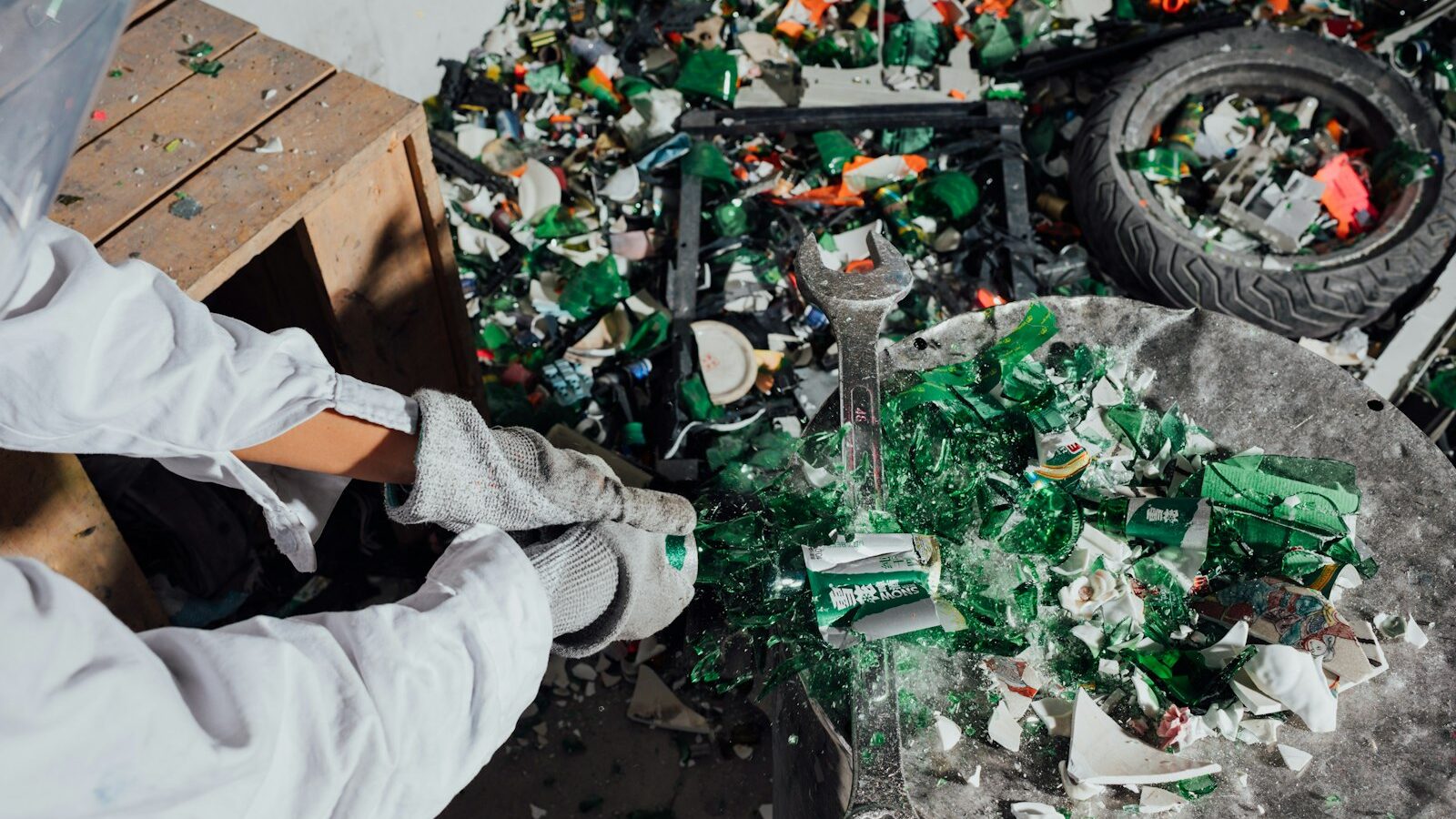
Sooner or later, every household has to part with something big. An old sofa, a broken washing machine, a stack of dead phones in a drawer. If you have just moved here, working out where these things are supposed to go can feel surprisingly tricky, because you cannot simply leave them beside the rubbish chute. This guide walks you through bulky-item removal and e-waste disposal in Singapore in plain terms, so you can clear out clutter the right way without a fine or a mess in the corridor.
The short version is this. Small daily rubbish goes down the chute or into the bin. Large items and electronics do not. They have their own channels, and once you know them, the whole thing is easy.
Getting rid of bulky items
A bulky item is anything too large for the normal rubbish chute or bin: furniture, mattresses, large cabinets, bicycles, big cardboard boxes and the like. In HDB estates and many private developments, the usual route is a free bulky-item removal service arranged through your town council or your managing agent.
The process is straightforward. You contact your town council, tell them what you want to throw and roughly how many pieces, and they give you a collection date and a spot to place the items, often near the refuse point or a designated pickup area. Do not drag the item downstairs and dump it until you have arranged this. Leaving furniture in common corridors, void decks or beside bins without a booking counts as illegal dumping, and that can attract enforcement action.
A few practical pointers make this smoother. Break down what you can so it is easier to carry and takes up less space. Keep pieces tidy and out of walkways and fire escape routes while they wait for collection. If you live in a condo, check with your management first, because some developments have their own arrangements and preferred timings. Town councils often allow a certain number of bulky items to be removed free of charge within a period, so ask about the current terms rather than assuming.
If your furniture is still usable, consider giving it a second life before you throw it. Many newcomers furnish their first flat entirely from other people’s cast-offs. Community giveaway groups, secondhand marketplaces and karung guni collectors (the traditional rag-and-bone traders who buy old goods) are all common ways to pass items on. It keeps usable things out of the incinerator and sometimes puts a little money back in your pocket.
Electronic waste and the e-waste scheme
Electronics are handled separately, and this is where e-waste disposal Singapore rules matter most. Old televisions, laptops, phones, batteries, kitchen appliances and light bulbs contain materials that should not go into general rubbish. Some contain substances that are harmful if they end up in the incinerator or a landfill, and many contain metals worth recovering.
Singapore runs a regulated e-waste management system under the National Environment Agency (NEA). Under this scheme, a producer responsibility approach means that manufacturers and retailers of certain products help fund and organise proper recycling. For you as a resident, the practical result is a network of e-waste recycling bins and collection points where you can drop off unwanted electronics for free.
You will find these bins at many shopping malls, community centres, supermarkets and some retailers. They are usually clearly labelled and colour coded by type, so batteries and bulbs go in one slot, information and communications equipment such as phones and laptops in another. When you buy a large replacement appliance, ask the retailer whether they offer a one-for-one takeback of your old unit, since regulated retailers are often required to help take back old items of the same type.
Before you recycle anything with a memory, protect yourself. Wipe your phone, laptop or tablet and remove any storage cards or SIM cards first. Do a factory reset and sign out of your accounts. E-waste recyclers are not responsible for data you leave on a device, so treat this as your own job.
The categories below are a general guide to where common household items belong. Arrangements do change, so always defer to your town council and NEA for the current bins, boxes and collection details in your area.
| Item type | Where it usually goes | Notes |
|---|---|---|
| Sofa, mattress, wardrobe | Town council bulky-item removal | Book a collection first, do not dump |
| Phones, laptops, tablets | E-waste bins for ICT equipment | Wipe data and remove SIM or cards |
| Fridge, washing machine, aircon | E-waste takeback or town council | Ask retailer about one-for-one on purchase |
| Batteries and light bulbs | E-waste bins (battery or bulb slot) | Never in the general rubbish chute |
| Clothes, usable furniture | Donate, resell or karung guni | Reuse before you recycle where you can |
| Paper, cans, plastic, glass | Blue recycling bins | Clean and dry before you bin them |
Cash-for-trash and everyday recycling
Beyond the big stuff, it is worth building good habits with your daily recyclables. Every block and estate has the familiar blue recycling bins for paper, plastic, metal and glass. Rinse containers, let them dry and avoid bagging recyclables in a way that contaminates them with food waste, because dirty recycling often ends up being thrown out anyway.
Some estates also run cash-for-trash points, where you can bring clean recyclables such as paper, cardboard, metal and certain plastics and receive a small payment based on weight. It will not make you rich, but it is a tidy way to clear newspapers and boxes while earning a few dollars. Ask your town council or check community notices for the schedule and location near you.
Putting it all together, a good rule of thumb for a big clear-out looks like this. First, separate your pile into usable, bulky and electronic. Give away or sell anything still good. Book your town council for the genuinely bulky pieces. Carry your electronics to an e-waste bin or arrange a takeback. Bring your clean paper and cans to a recycling or cash-for-trash point. Everything left over goes into normal disposal.
None of this is complicated once you have done it once. The key mindset shift for newcomers is simply that “throwing something away” here is rarely a single act. It is a small sorting exercise, and doing it properly keeps your estate clean, avoids fines and treats the island’s limited land and shared incinerators with a bit of respect. When in doubt about a specific item, a quick message to your town council or a look at the NEA guidance will point you to the right bin.
Explore more
How to Be a Good Neighbour
How to Budget for Life in Singapore
Understanding Condo and MCST Rules
How to Write a Formal Complaint or Appeal Letter